Corned Beef is a classic comfort food known for its tender texture, bold seasoning, and rich flavor. Whether you prefer making corned beef in the oven for a crispy finish or in the slow cooker for effortless tenderness, this complete guide will show you exactly how to cook corned beef perfectly every time. With the right technique and simple ingredients, corned beef brisket becomes juicy, flavorful, and sliceable without falling apart.
In this step-by-step tutorial, you’ll learn what corned beef really is, which cut to choose, how to cook it without alcohol, and how to achieve that perfect balance between tender meat and a lightly crisp exterior.
JUMP TO
Table of Contents
What Is Corned Beef?
Corned beef is a salt-cured beef brisket that has been brined with large grains of salt and spices. The word “corned” comes from the large salt “corns” traditionally used in the curing process. Unlike fresh brisket, corned beef has already been seasoned and cured, giving it its distinctive flavor and pink color.
Because corned beef is made from brisket—a tough cut of meat—it requires low and slow cooking to become tender.
The History of Corned Beef
Corned beef dates back centuries. Salt curing was originally used to preserve meat before refrigeration existed. Over time, this method became popular in many cultures. In the United States, corned beef became especially common because brisket was affordable and widely available.
Today, corned beef is enjoyed year-round, whether baked in the oven, simmered on the stovetop, or prepared in a slow cooker.
What Cut of Meat Is Used for Corned Beef?
Corned beef comes from beef brisket, which is located in the lower chest of the cow. There are two main cuts you’ll find:
| Cut Type | Characteristics | Best For |
|---|---|---|
| Flat Cut | Leaner, uniform shape | Easy slicing |
| Point Cut | More marbling, thicker | Richer flavor |
If you prefer neat slices for sandwiches or serving platters, choose the flat cut. If you want extra juiciness and don’t mind shredding, the point cut works well.
How Corned Beef Is Traditionally Prepared
Traditionally, corned beef is simmered gently in liquid until fork-tender. However, modern cooking methods allow for oven roasting or slow cooking to achieve even better texture.
The key rule for perfect corned beef is simple: low temperature and long cooking time. Rushing the process can result in tough meat.
Ingredients for the Best Corned Beef
Cooking corned beef does not require complicated ingredients. Because the brisket is already cured and seasoned, your main job is enhancing flavor while keeping it moist.

Core Ingredients
- 1 corned beef brisket (3–4 pounds) with spice packet
- 2–3 cups beef broth (alcohol-free alternative to beer)
- 3 garlic cloves, smashed
- 1 onion, sliced
- 2 bay leaves
- 1 teaspoon black pepper
Instead of using beer, which some traditional recipes call for, this version uses beef broth to deepen the savory flavor without adding alcohol.
Optional Vegetables for a Complete Meal
You can turn corned beef into a full one-pan meal by adding:
- Carrots
- Baby potatoes
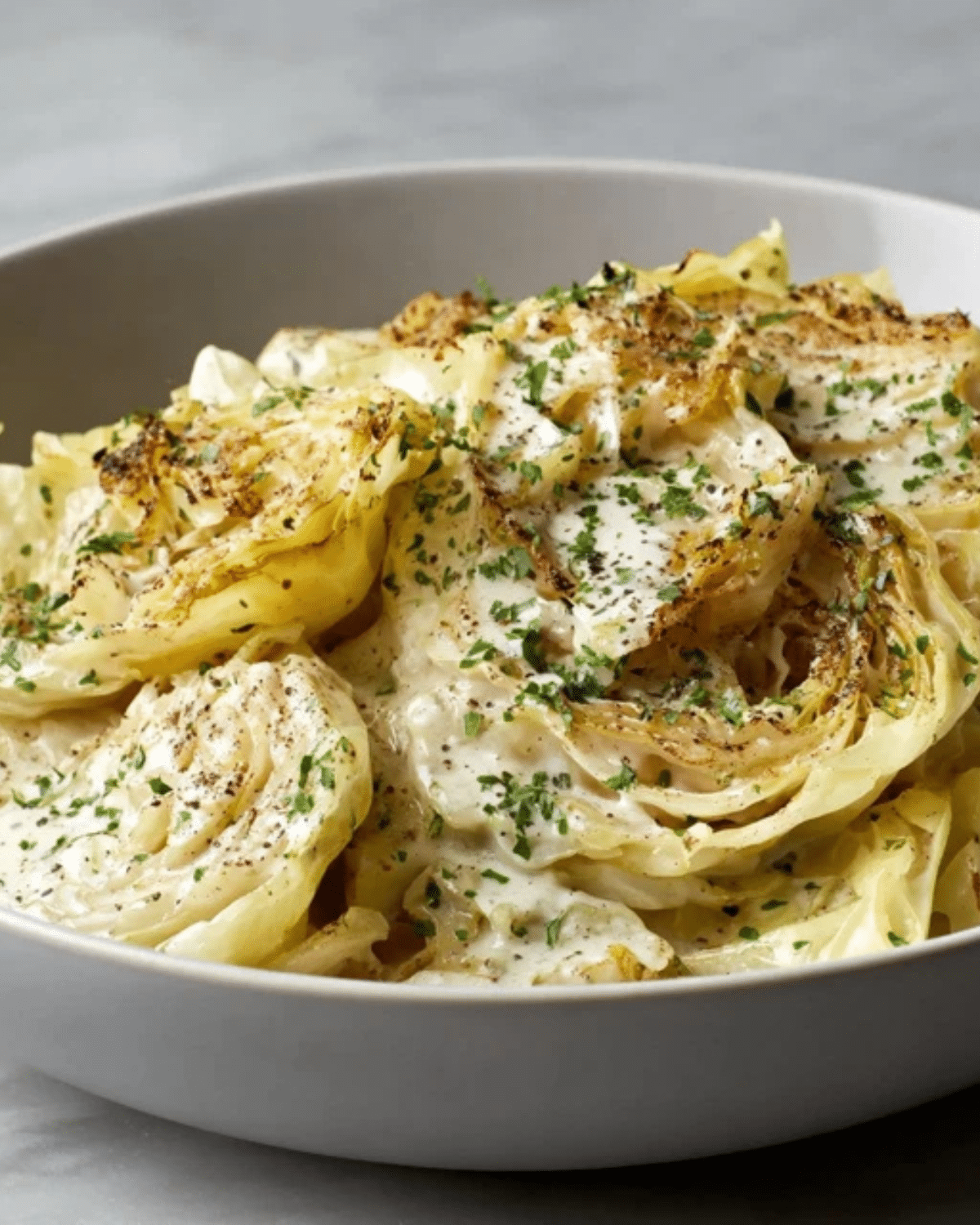
- Cabbage wedges
- Parsnips
These vegetables absorb the seasoned cooking liquid and pair perfectly with tender corned beef.
Ingredient Substitutions & Adjustments
If needed, you can adjust the recipe:
- Use low-sodium beef broth for reduced salt
- Skip additional salt since corned beef is already cured
- Add a tablespoon of whole grain mustard for extra depth
- Include fresh thyme for herbal aroma
Because corned beef already contains salt, always taste before adding additional seasoning.
How to Cook Corned Beef in the Oven
Oven-baked corned beef delivers tender meat with the option of a crispy exterior. This method gives you more control over texture compared to boiling.
Step 1: Preparing the Brisket
First, remove the corned beef from its packaging and rinse it under cold water. This helps remove excess surface brine.
Pat the brisket dry with paper towels. Then place it fat-side up in a roasting pan or baking dish.
Sprinkle the included spice packet over the top. Add smashed garlic, onion slices, bay leaves, and black pepper around the meat.
Step 2: Adding Flavor Without Alcohol
Pour beef broth into the bottom of the pan until it reaches about 1 inch up the sides of the brisket. Do not fully submerge it.
Cover the pan tightly with foil. This traps steam and keeps the corned beef moist during cooking.
Step 3: Slow Roasting for Tender Results
Preheat your oven to 325°F (163°C). Roast the corned beef for approximately 2.5 to 3 hours, depending on size.
A general rule is about 50 minutes per pound. The corned beef should become fork-tender but not falling apart.
Step 4: Creating a Crispy Top Layer
For a lightly crispy finish, remove the foil during the last 15 minutes of cooking. You can brush the top with a thin layer of mustard and broil for 3–5 minutes until slightly caramelized.
This step adds texture while keeping the interior juicy.
How to Cook Corned Beef in a Slow Cooker
If you prefer a hands-off method, slow cooker corned beef is incredibly easy and reliable.
Step 1: Layering Ingredients
Place sliced onions and garlic at the bottom of the slow cooker. Set the corned beef on top, fat-side up. Sprinkle the spice packet over the meat.
Pour in enough beef broth to come halfway up the brisket.
Step 2: Cooking Time and Temperature
Cook on LOW for 8–9 hours or on HIGH for 4–5 hours.
Low heat produces the most tender results. Therefore, if time allows, always choose the LOW setting.
Step 3: When to Add Vegetables
Add carrots and potatoes during the last 2–3 hours of cooking. Add cabbage during the final hour to prevent overcooking.
Step 4: How to Prevent Overcooking
Although corned beef needs long cooking, overcooking can cause it to become dry once sliced. Check tenderness toward the end of cooking time.
How to Know When Corned Beef Is Done
Cooking corned beef properly is all about tenderness. Because brisket is a tough cut, it must break down slowly. However, knowing exactly when your corned beef is ready makes all the difference.
Internal Temperature Guide
For food safety, corned beef should reach an internal temperature of at least 145°F, according to USDA guidelines. However, for ideal tenderness, most corned beef brisket recipes benefit from cooking until the internal temperature reaches 195–205°F.
At this higher temperature range, the connective tissue fully breaks down, resulting in fork-tender corned beef.
The Fork-Tender Test
Temperature is helpful, but texture matters more. Insert a fork into the thickest part of the corned beef. If it slides in easily with little resistance, it’s ready.
If it feels tight or tough, continue cooking for another 20–30 minutes and test again.
Resting and Slicing Tips
Once your corned beef is done, let it rest for 10–15 minutes before slicing. Resting helps redistribute juices and keeps the meat moist.
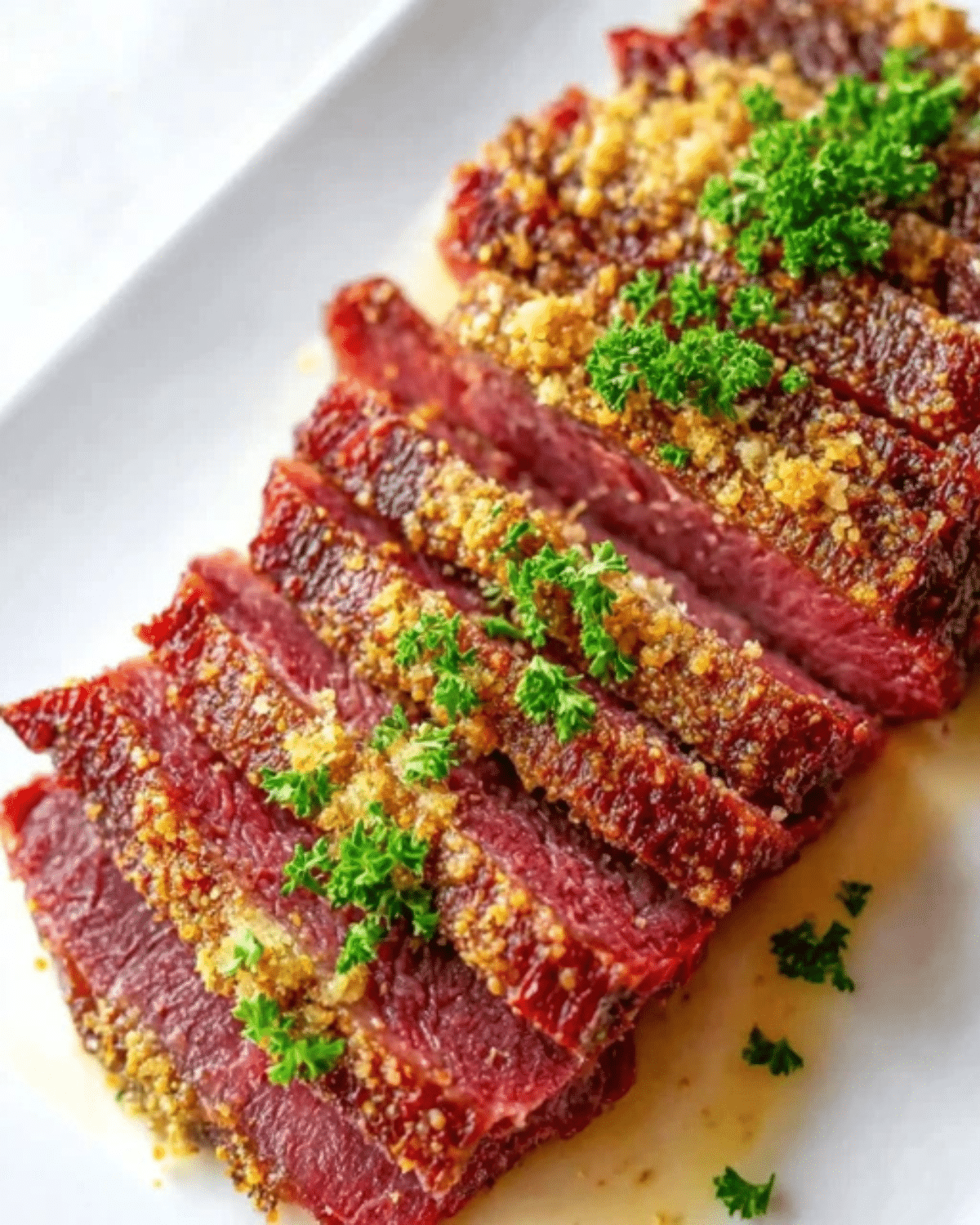
Always slice against the grain. Look for the direction of the muscle fibers and cut perpendicular to them. This shortens the fibers and makes each bite more tender.
Tips for Tender and Flavorful Corned Beef
Even though corned beef is simple to prepare, a few expert techniques can elevate your results.
Always Slice Against the Grain
This is the most important step for tender corned beef. Cutting with the grain results in chewy slices, while cutting against the grain ensures tenderness.
Avoid Boiling at High Heat
Rapid boiling can cause corned beef to become tough. Whether using the oven or slow cooker, maintain a gentle cooking temperature.
Let It Rest Before Slicing
Resting allows the juices to settle. Skipping this step can cause moisture loss and dryness.
Save the Cooking Liquid
The seasoned broth left after cooking corned beef is packed with flavor. Use it for:
- Cooking vegetables
- Adding to soups
- Moistening leftovers
Because the liquid is already well-seasoned, it enhances other dishes beautifully.
Health & Nutrition Information About Corned Beef
Corned beef provides several nutritional benefits but should be enjoyed in moderation due to its sodium content.
Protein Benefits
Corned beef is a rich source of protein. Protein supports muscle repair, energy levels, and overall body function.
A typical serving of corned beef provides:
- High-quality protein
- Iron
- Vitamin B12
- Zinc
These nutrients support immune function and red blood cell production.
Sodium Considerations
Because corned beef is salt-cured, it contains higher sodium levels than fresh beef. According to the USDA, processed meats often contain elevated sodium, which should be monitored as part of a balanced diet.
To reduce sodium intake:
- Rinse the brisket before cooking
- Use low-sodium broth
- Avoid adding extra salt
How to Make It Healthier
Pair corned beef with vegetables like cabbage, carrots, or roasted Brussels sprouts. Additionally, serve moderate portions and balance the meal with fiber-rich sides.
What to Serve with Corned Beef
Corned beef pairs well with both traditional and modern sides.
Classic Side Dishes
- Cabbage wedges
- Boiled potatoes
- Carrots
- Mustard or horseradish sauce
These traditional pairings complement the savory flavor of corned beef.
Low-Carb Side Options
If you prefer a lighter meal, try:
- Roasted cauliflower
- Garlic green beans
- Steamed broccoli
- Side salad with vinaigrette
Sandwich Ideas with Leftovers
Leftover corned beef works perfectly for:
- Corned beef sandwiches on rye
- Reuben-style sandwiches (without alcohol-based dressings)
- Open-faced beef melts
The tender texture makes it versatile for multiple meals.
Creative Ways to Use Leftover Corned Beef
One of the best things about cooking corned beef is having leftovers.
Corned Beef Hash
Dice leftover corned beef and sauté with potatoes and onions for a hearty breakfast dish.
Corned Beef Tacos
Shred corned beef and serve in warm tortillas with cabbage slaw and lime.
Corned Beef Breakfast Skillet
Combine chopped corned beef with scrambled eggs and bell peppers for a protein-packed meal.
Corned Beef Soup
Add diced corned beef to vegetable soup for extra depth and flavor
Frequently Asked Questions About Corned Beef
Should I rinse corned beef before cooking?
Yes. Rinsing helps remove excess surface salt from the brine.
Why is my corned beef tough?
It likely needs more cooking time. Corned beef must be cooked low and slow until tender.
Can I cook corned beef without beer?
Absolutely. Beef broth works perfectly and keeps the recipe completely alcohol-free.
How long does corned beef last in the fridge?
Cooked corned beef can be stored in an airtight container in the refrigerator for 3–4 days.
Conclusion: Why This Corned Beef Recipe Works Every Time
Corned beef remains a timeless favorite because of its bold seasoning and satisfying texture. By cooking it low and slow—either in the oven or slow cooker—you achieve tender, flavorful results every time. Using beef broth instead of alcohol ensures the recipe stays inclusive while maintaining rich depth.
Whether you serve it with classic vegetables, slice it for sandwiches, or repurpose leftovers into creative meals, corned beef delivers comfort and versatility in every bite.
PrintCorned Beef – Best Tender & Easy Recipe

Corned Beef is a tender, flavorful brisket recipe cooked low and slow in the oven or slow cooker. This easy corned beef method delivers juicy slices with bold seasoning and an optional crispy finish.
- Prep Time: 15 minutes
- Cook Time: 3 hours
- Total Time: 3 hours 15 minutes
- Yield: 6 servings 1x
Ingredients
- 1 (3–4 pound) corned beef brisket with spice packet
- 2–3 cups beef broth (alcohol-free)
- 3 garlic cloves, smashed
- 1 onion, sliced
- 2 bay leaves
- 1 teaspoon black pepper
- Optional: 4 carrots, chopped
- Optional: 1 pound baby potatoes
- Optional: 1 small cabbage, cut into wedges
Instructions
- Remove corned beef from packaging and rinse under cold water to remove excess brine.
- Preheat oven to 325°F (163°C) or prepare slow cooker.
- Place sliced onion and garlic in the bottom of a roasting pan or slow cooker.
- Set the corned beef brisket on top, fat-side up, and sprinkle with the included spice packet.
- Pour beef broth around the brisket until it reaches about 1 inch up the sides.
- For oven method: Cover tightly with foil and roast for 2.5–3 hours (about 50 minutes per pound) until fork-tender.
- For slow cooker method: Cook on LOW for 8–9 hours or HIGH for 4–5 hours until tender.
- Optional: Add carrots and potatoes during the last 2–3 hours of cooking. Add cabbage during the final hour.
- Let the corned beef rest for 10–15 minutes before slicing.
- Slice against the grain and serve warm.
Notes
- Always slice against the grain for the most tender texture.
- Use low-sodium beef broth to reduce salt content.
- Cook until internal temperature reaches 195–205°F for maximum tenderness.
- For a crispy top, broil uncovered for 3–5 minutes at the end of oven cooking.
- Store leftovers in the refrigerator for 3–4 days or freeze for up to 2 months.
Nutrition
- Serving Size: 1 serving (about 5 oz)
- Calories: 350
- Sugar: 2g
- Sodium: 980mg
- Fat: 22g
- Saturated Fat: 8g
- Unsaturated Fat: 12g
- Trans Fat: 0g
- Carbohydrates: 6g
- Fiber: 1g
- Protein: 30g
- Cholesterol: 95mg