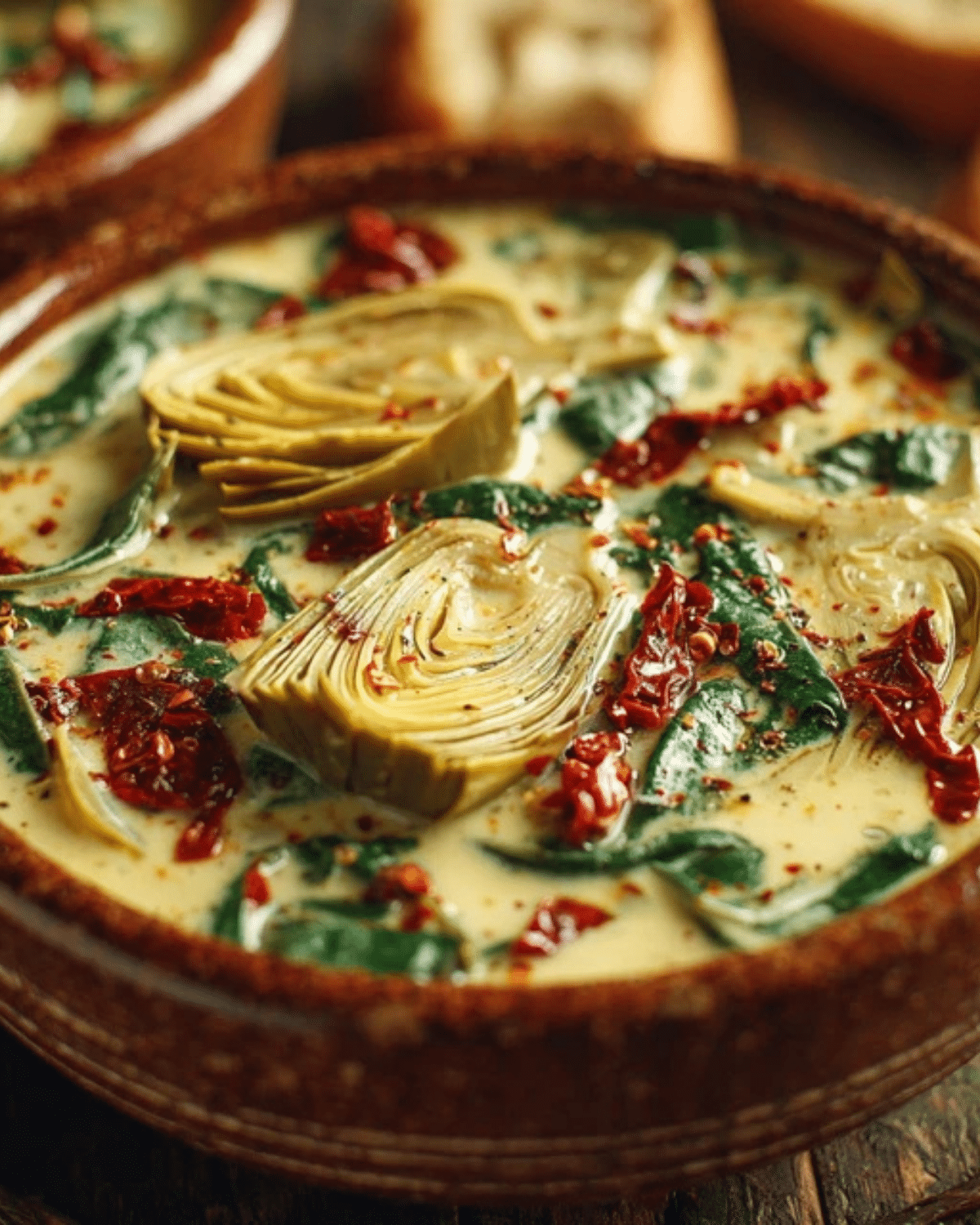
Artichoke soup is a comforting and flavorful dish that has gained popularity for its creamy texture and wholesome ingredients. This artichoke soup recipe is perfect for anyone looking for a healthy yet satisfying meal that feels both light and indulgent. Whether you’re preparing a quick weeknight dinner or a cozy weekend lunch, artichoke soup delivers rich taste without requiring complicated steps. In this guide, you’ll learn everything from choosing the best ingredients to mastering the cooking process, along with expert tips, variations, and answers to common questions. By the end, you’ll be fully equipped to make the best artichoke soup at home.
JUMP TO
Table of Contents
Artichoke Soup Ingredients and Flavor Base
Fresh vs Canned Artichokes: Which One Should You Use
When it comes to making artichoke soup, the type of artichokes you choose plays a key role in the final flavor. Fresh artichokes provide a slightly nutty and vibrant taste, but they require trimming, peeling, and longer cooking time. Because of this, many home cooks prefer canned or jarred artichoke hearts. They are tender, convenient, and still deliver excellent flavor.
Additionally, frozen artichokes can also be used if thawed properly. They offer a middle ground between fresh and canned options, giving you both convenience and good texture. Therefore, if you want a quick and easy artichoke soup recipe, canned artichokes are your best choice.
Core Ingredients That Build Flavor

A great soup depends on simple yet well-balanced ingredients. Each one contributes to the overall taste and texture of the soup.
| Ingredient | Role in the Soup |
|---|---|
| Artichoke hearts | Main flavor and creamy base |
| Onion | Adds sweetness and depth |
| Garlic | Enhances aroma and taste |
| Vegetable or chicken broth | Provides a savory foundation |
| Cream or milk | Creates a smooth texture |
| Olive oil | Adds richness |
| Sun-dried tomatoes | Introduces tangy contrast |
| Spinach (optional) | Boosts nutrition and color |
Together, these ingredients create a creamy artichoke soup that is both comforting and nutritious.
Why Sun-Dried Tomatoes Work So Well
One of the standout features of this artichoke soup recipe is the addition of sun-dried tomatoes. They bring a slightly tangy and sweet flavor that balances the mild taste of artichokes. As a result, the soup gains a more complex and layered profile.
Moreover, sun-dried tomatoes add a deeper color and subtle richness, making the soup visually appealing as well. Even a small amount can make a noticeable difference.
Choosing the Right Liquid Base
The broth you select can significantly impact your artichoke soup. Vegetable broth keeps the dish lighter and suitable for plant-based diets. Meanwhile, chicken broth adds a richer and more savory depth.
If you want a more indulgent version, you can combine broth with a bit of milk or cream. This combination ensures the soup remains creamy without becoming too heavy.
Optional Ingredients to Customize Your Soup
Although the classic version is already delicious, you can customize your artichoke soup with a few optional additions. For example, adding spinach increases the nutritional value while blending seamlessly into the soup. You can also include herbs like thyme or parsley to enhance freshness.
In addition, a squeeze of lemon juice at the end can brighten the overall flavor, making the soup taste more vibrant and balanced.
Step-by-Step Guide to Making Artichoke Soup
Preparing Ingredients Efficiently
Before you start cooking, it’s important to prepare all your ingredients. Drain and rinse canned artichoke hearts, then chop them into smaller pieces. Dice the onion finely and mince the garlic to ensure even cooking.
This preparation step not only saves time but also helps the cooking process flow smoothly.
Cooking the Aromatic Base
First, heat olive oil in a large pot over medium heat. Add the diced onion and cook until it becomes soft and translucent. Then, add the minced garlic and cook for about a minute until fragrant.
This step is crucial because it builds the flavor foundation of your artichoke soup. Skipping or rushing it may result in a less flavorful dish.
Adding Artichokes and Simmering
Next, add the chopped artichokes to the pot and stir well to combine them with the aromatics. Pour in the broth and bring the mixture to a gentle simmer.
Allow the soup to cook for about 15 to 20 minutes. During this time, the flavors blend together, creating a rich and cohesive base.
Blending for Creamy Perfection
Once the ingredients are fully cooked, use an immersion blender to puree the soup directly in the pot. Alternatively, transfer the mixture to a blender in batches.
Blending transforms the mixture into a smooth and creamy artichoke soup. If you prefer a slightly chunky texture, you can blend only part of the soup.
Adding Cream and Final Seasoning
After blending, stir in cream or milk to achieve your desired consistency. Season with salt and pepper according to your taste.
At this stage, you can also add sun-dried tomatoes and optional greens like spinach. Let the soup simmer for a few more minutes so everything blends well.
Final Adjustments Before Serving
Before serving, taste your artichoke soup and adjust the seasoning if needed. If the soup feels too thick, add a bit more broth. If it’s too thin, let it simmer a little longer.
Serve warm, and enjoy a comforting bowl of homemade artichoke soup.
Tips to Make the Best Soup at Home
How to Get a Silky Smooth Texture
To achieve a perfectly smooth soup, blending thoroughly is key. Using a high-speed blender can make a big difference. If needed, you can strain the soup to remove any remaining fibers.
Balancing Flavors Easily
Sometimes, This soup may taste slightly flat. In that case, adding a small amount of salt or a squeeze of lemon juice can enhance the flavor. On the other hand, if the soup is too tangy, a splash of cream will balance it out.
Making a Healthier Version
If you want a lighter soup, replace cream with low-fat milk or a plant-based alternative. You can also reduce the amount of oil and add more vegetables to increase nutritional value.
Storage and Meal Prep Tips
Artichoke soup stores well in the refrigerator for up to three days. Make sure to keep it in an airtight container. When reheating, do so over low heat while stirring to maintain its creamy texture.
Additionally, this soup freezes well, making it a great option for meal prep.
Common Mistakes to Avoid
Avoid overcooking garlic, as it can become bitter. Also, do not skip blending properly, since texture plays a major role in the overall experience. Lastly, always taste and adjust seasoning before serving.
Creative Variations
Dairy-Free Artichoke Soup Option
You can easily make artichoke soup dairy-free by replacing cream with coconut milk or almond milk. This variation still provides a creamy texture while being suitable for different dietary needs.
Adding Protein for a Hearty Meal
To make your artichoke soup more filling, you can add shredded chicken or plant-based protein. This turns the soup into a complete meal rather than just a side dish.
Spicy Artichoke Soup Twist
If you enjoy a bit of heat, consider adding red pepper flakes or a dash of chili powder. This adds a gentle kick without overpowering the natural flavor of artichokes.
Herb-Infused Artichoke Soup
Fresh herbs like parsley, basil, or thyme can elevate your artichoke soup. Adding them at the end preserves their flavor and aroma.
Frequently Asked Questions
Can I use frozen artichokes for artichoke soup?
Yes, frozen artichokes work well in artichoke soup. Just thaw them before use to ensure even cooking and a smooth texture.
Is artichoke soup good for health?
Artichoke soup can be very healthy. Artichokes are rich in fiber, vitamins, and antioxidants, making this soup a nutritious choice.
How do I thicken artichoke soup naturally?
You can thicken artichoke soup by adding blended vegetables like potatoes or reducing the liquid slightly during cooking.
Can I make artichoke soup without cream?
Yes, you can skip cream and use plant-based alternatives or simply rely on blended vegetables for a creamy texture.
Conclusion: A Comforting Bowl of Artichoke Soup
Artichoke soup is a simple yet elegant dish that combines creamy texture with rich flavor. With the right ingredients and proper technique, anyone can create a delicious homemade version. Whether you prefer a classic creamy style or a lighter variation, this artichoke soup recipe is easy to adapt and always satisfying. Once you try it, it may quickly become one of your favorite go-to comfort meals.
PrintArtichoke Soup Recipe: Creamy and Easy Comfort Meal

A creamy and healthy artichoke soup made with simple ingredients like artichoke hearts, sun-dried tomatoes, and broth, perfect for a comforting and easy homemade meal.
- Prep Time: 10 minutes
- Cook Time: 25 minutes
- Total Time: 35 minutes
- Yield: 4 servings 1x
- Category: Soup
Ingredients
- 2 cups artichoke hearts (canned or jarred, drained and chopped)
- 1 small onion (finely diced)
- 3 cloves garlic (minced)
- 3 cups vegetable or chicken broth
- 1 cup milk or cream
- 2 tablespoons olive oil
- 1/4 cup sun-dried tomatoes (chopped)
- 1 cup fresh spinach (optional)
- Salt to taste
- Black pepper to taste
Instructions
- Heat olive oil in a large pot over medium heat.
- Add diced onion and cook until soft and translucent.
- Add minced garlic and cook for about 1 minute until fragrant.
- Add chopped artichoke hearts and stir well.
- Pour in the broth and bring to a gentle simmer.
- Let it cook for 15–20 minutes to blend flavors.
- Use an immersion blender to puree the soup until smooth.
- Stir in milk or cream and mix well.
- Add sun-dried tomatoes and optional spinach, then simmer for 5 more minutes.
- Season with salt and pepper to taste, then serve warm.
Notes
- Use canned artichoke hearts for convenience and consistent texture.
- Blend thoroughly for a smooth and creamy soup.
- Add a splash of lemon juice to brighten the flavor.
- For a lighter version, use low-fat milk instead of cream.
- The soup can be stored in the refrigerator for up to 3 days.
Nutrition
- Serving Size: 1 bowl
- Calories: 180
- Sugar: 4g
- Sodium: 480mg
- Fat: 10g
- Saturated Fat: 4g
- Unsaturated Fat: 6g
- Trans Fat: 0g
- Carbohydrates: 16g
- Fiber: 5g
- Protein: 5g
- Cholesterol: 15mg