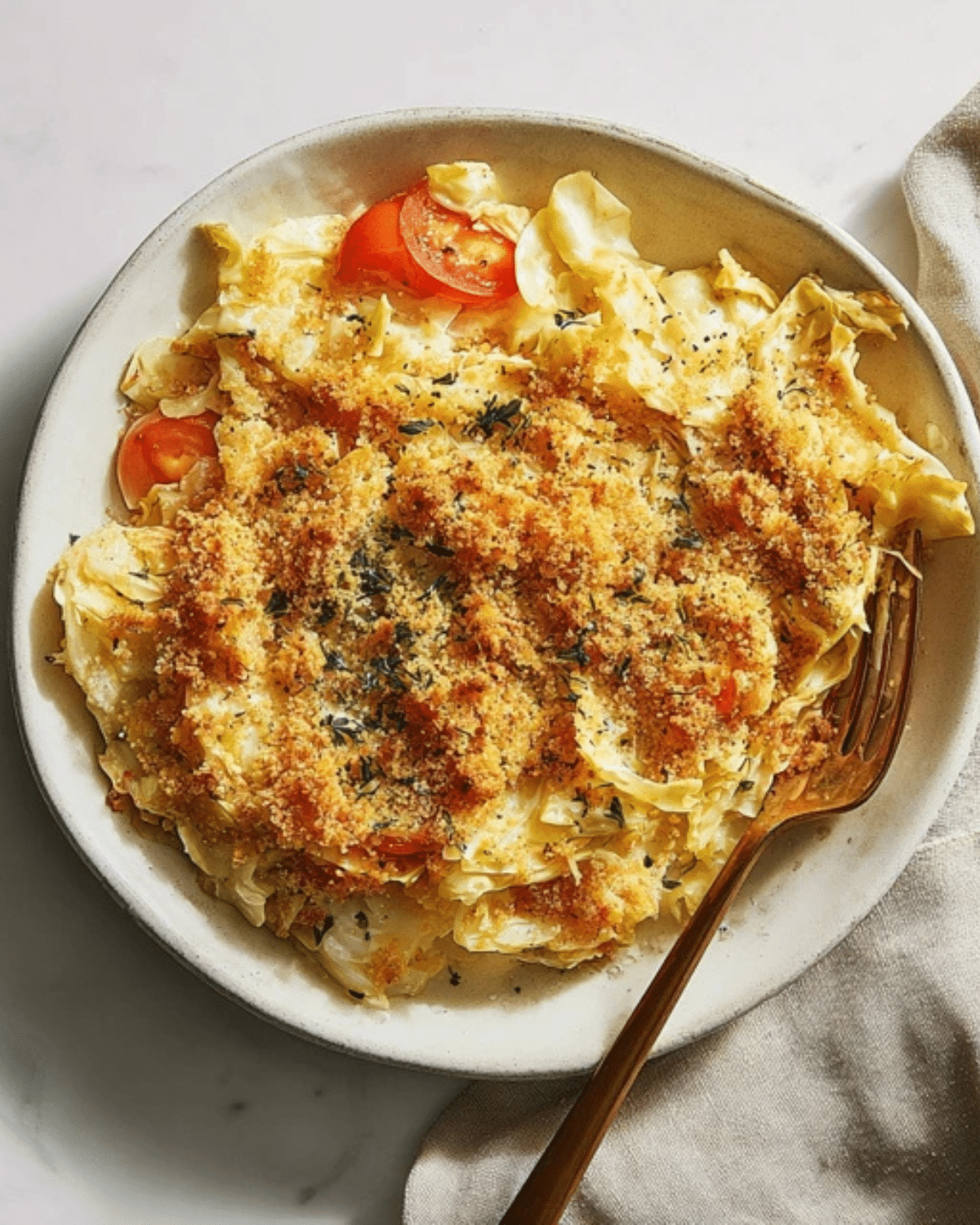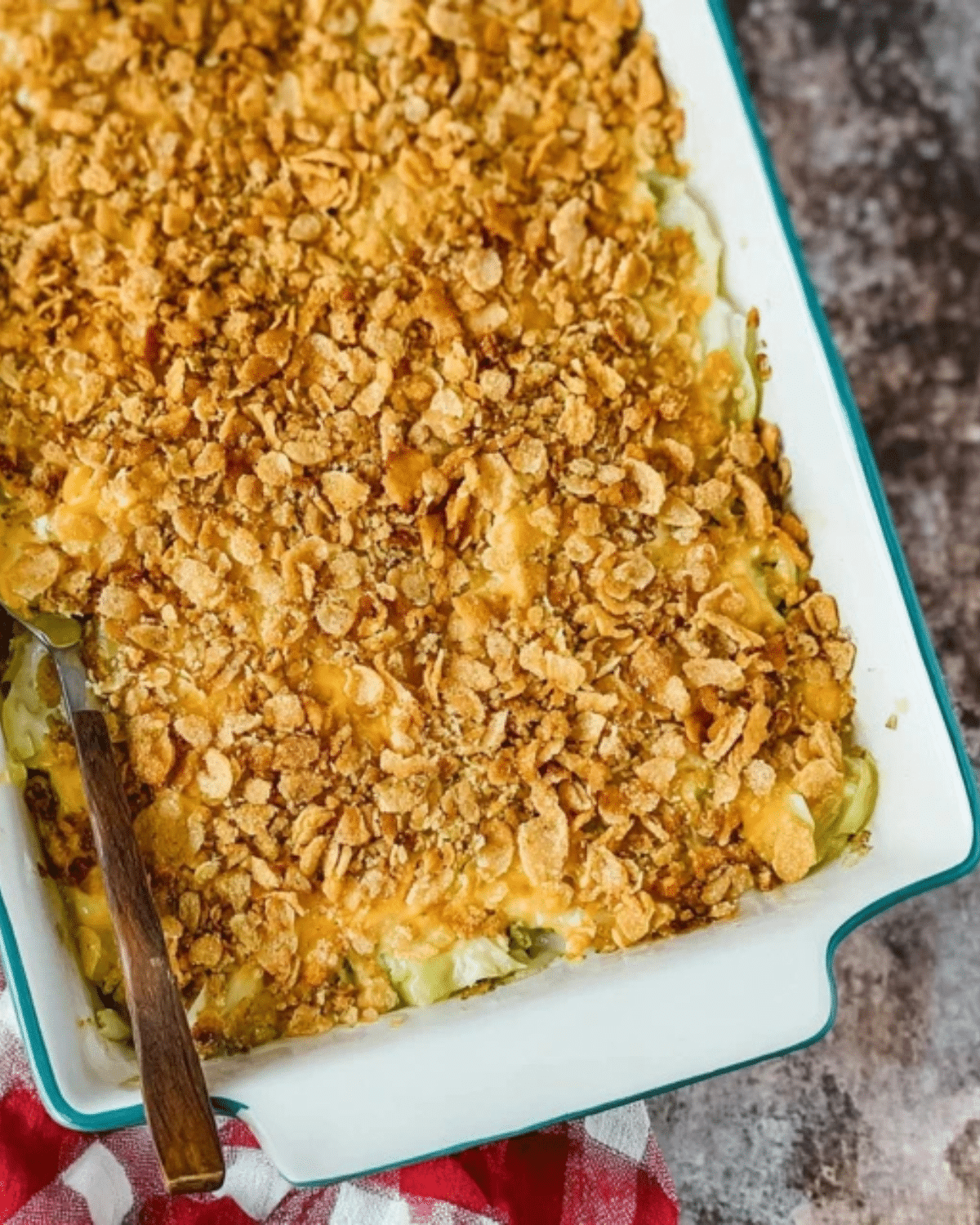
Baked cabbage casserole is a warm, comforting dish that turns simple ingredients into a satisfying oven-baked meal. Known for its tender texture and rich flavor, this baked cabbage casserole recipe is a favorite in many homes because it is easy to prepare, budget-friendly, and filling. Unlike stovetop cabbage dishes, baking allows cabbage to soften slowly while absorbing surrounding flavors, creating a casserole that holds together beautifully and tastes even better the next day.
Whether you are looking for a hearty side dish or a comforting main course, baked cabbage casserole offers flexibility without sacrificing flavor. This article walks you through everything you need to know, starting with what makes this dish so popular and why baking cabbage works so well.
JUMP TO
Table of Contents
What Is Baked Cabbage Casserole and Why It’s So Popular
Baked cabbage casserole is a classic oven-cooked dish where chopped or shredded cabbage is combined with simple binding ingredients and baked until tender. Over time, this method has become popular because it transforms cabbage into a dish that feels both nourishing and comforting.
The Origins of Baked Cabbage Casserole
Cabbage casseroles developed as practical meals designed to stretch ingredients and feed families affordably. Because cabbage was easy to grow and store, it became a natural base for baked dishes. By combining cabbage with eggs, milk, and seasonings, home cooks created casseroles that were filling without being expensive.
As ovens became common in American kitchens, baked cabbage casserole gained popularity. Baking allowed ingredients to cook evenly in one dish, reducing preparation time while improving flavor. As a result, this dish became a regular feature at family dinners and community gatherings.
Why Oven-Baked Cabbage Dishes Work So Well
Baking cabbage changes its texture in a way other cooking methods cannot. Instead of remaining crunchy or releasing too much water, cabbage softens gradually in the oven. Because moisture evaporates slowly, flavors concentrate rather than dilute.
Additionally, baked cabbage casserole benefits from even heat. The steady temperature allows eggs or other binders to set gently, giving the casserole structure without making it dense. This balance is what makes baked cabbage casserole sliceable, tender, and satisfying.
Baked Cabbage Casserole vs Cabbage Roll Casserole
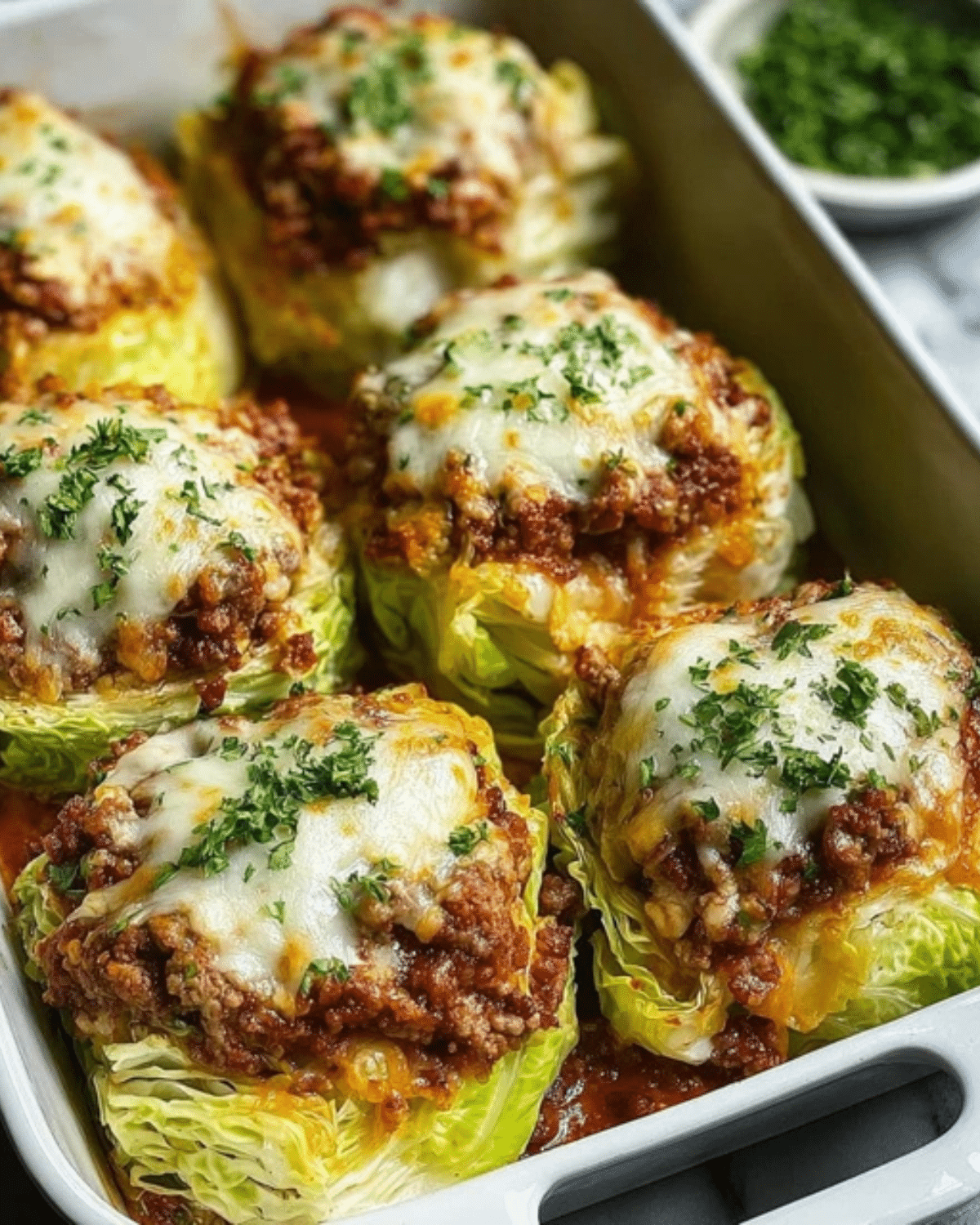
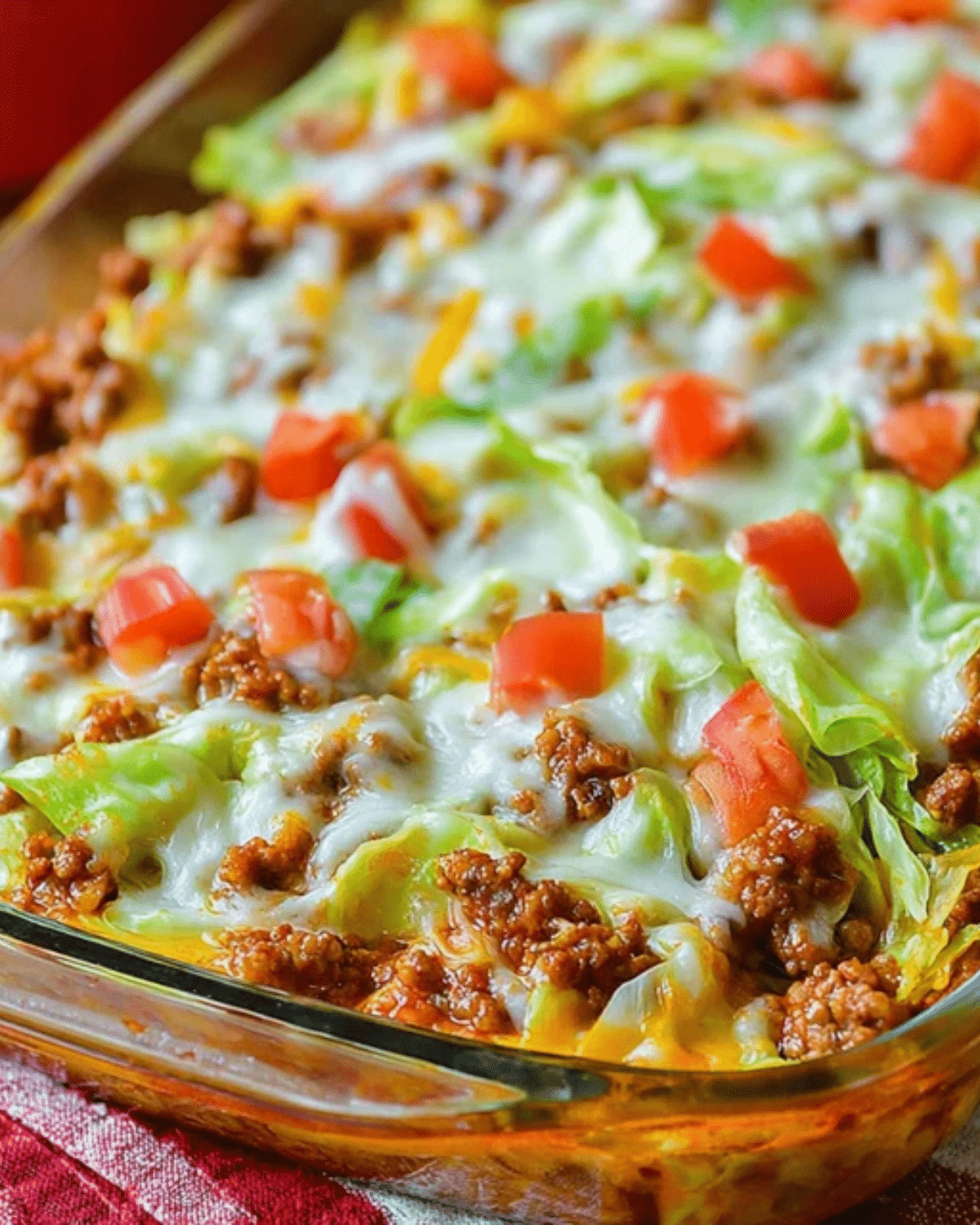
Although both dishes use cabbage, baked cabbage casserole differs from cabbage roll casserole in both preparation and texture. Cabbage roll casseroles typically include layered fillings and sauces inspired by stuffed cabbage rolls. In contrast, baked cabbage casserole focuses on simplicity, using fewer ingredients and a more uniform mixture.
Because of this, baked cabbage casserole often feels lighter and less saucy. It also requires less preparation, making it a practical option for busy home cooks who still want a comforting, homemade meal.
Ingredients Needed for a Classic Baked Cabbage Casserole
A cabbage casserole works best when the ingredients are kept simple and balanced. Because cabbage has a mild flavor, each supporting ingredient should enhance it rather than overpower it. Using the right combination also helps the casserole bake evenly and hold its shape once served.

Essential Ingredients for Baked Cabbage Casserole
The foundation of any baked cabbage casserole starts with fresh green cabbage. Green cabbage softens evenly in the oven and develops a slightly sweet flavor as it bakes. Eggs are commonly used to bind the ingredients together, while milk adds moisture and helps create a tender texture. Butter provides richness, and a small amount of flour or breadcrumbs absorbs excess liquid released during baking.
Salt and black pepper are usually enough for seasoning, although a light touch of paprika or garlic powder can be added for warmth. These seasonings should remain subtle so the cabbage remains the focus of the dish.
Choosing the Right Cabbage for Baking
Selecting good cabbage makes a noticeable difference in the final result. Fresh green cabbage should feel heavy for its size and have tightly packed leaves. The color should be pale green without dark spots or wilting around the edges.
While savoy cabbage can be used, it softens more quickly and may produce a looser texture. Red cabbage is not recommended for baked cabbage casserole because it changes color and develops a stronger flavor during baking, which can overpower the dish.
Before using the cabbage, remove any tough outer leaves and slice it evenly. Uniform cuts help the cabbage cook at the same rate, preventing some pieces from becoming mushy while others remain firm.
Optional Ingredients That Enhance Flavor Without Overpowering
Although cabbage casserole is best kept simple, a few optional ingredients can add depth without changing its character. Finely chopped onions are a common addition because they soften during baking and blend naturally with the cabbage. A small amount of mild cheese can also be used to add creaminess, but it should not dominate the dish.
For those who want additional protein, cooked chicken or finely sliced chicken sausage can be added in moderation. These options complement cabbage well while keeping the casserole balanced and suitable for a wide range of diets.
By keeping the ingredient list focused and intentional, baked cabbage casserole maintains its comforting, old-style appeal while still allowing room for personal preference.
How to Prepare Baked Cabbage Casserole Step by Step
Preparing cabbage casserole is a straightforward process, yet each step plays an important role in achieving the right texture and flavor. Because cabbage naturally contains a lot of moisture, careful preparation ensures the casserole bakes evenly and sets properly without becoming watery.
Preparing Cabbage for Oven Baking
Start by removing the outer leaves of the cabbage and cutting it into quarters. Remove the core, then slice the cabbage into thin, even strips. Keeping the pieces uniform helps them soften at the same rate during baking.
Before assembling the casserole, the cabbage should be lightly pre-cooked. This step is essential because it releases excess moisture that would otherwise collect in the baking dish. Boiling the cabbage briefly in salted water or sautéing it in a small amount of butter both work well. The goal is not to fully cook the cabbage, but to soften it just enough so it finishes cooking in the oven.
Once the cabbage is tender, drain it thoroughly. Letting it sit in a colander for several minutes helps remove trapped water. For best results, gently press the cabbage with a spoon to release additional moisture.
Mixing and Assembling the Casserole
While the cabbage drains, prepare the binding mixture. In a large bowl, whisk together eggs, milk, melted butter, salt, and black pepper until smooth. If using optional seasonings such as paprika or garlic powder, add them at this stage so the flavor distributes evenly.
Lightly grease a baking dish with butter to prevent sticking. Spread the drained cabbage evenly across the dish, then sprinkle any optional additions, such as chopped onions or cooked chicken, over the top. Pour the egg mixture evenly over the cabbage, making sure it reaches all areas of the dish.
Finally, sprinkle flour or breadcrumbs lightly over the surface. This step helps absorb moisture during baking and improves the casserole’s structure. Avoid adding too much, as a heavy layer can make the casserole dense.
Baking Temperature and Timing Tips
Baked cabbage casserole cooks best at a moderate oven temperature. Preheat the oven to 350°F and place the casserole on the center rack to ensure even heat distribution. Baking at this temperature allows the eggs to set gently while the cabbage continues to soften without browning too quickly.
Most baked cabbage casseroles require between 45 and 60 minutes in the oven. The exact time depends on the depth of the dish and the amount of moisture in the cabbage. The casserole is done when the top appears lightly golden and the center feels firm when pressed gently.
Once baked, remove the casserole from the oven and let it rest for about 10 minutes. This resting time allows the structure to set, making it easier to slice and serve.
Tips for Making the Best Baked Cabbage Casserole
Even though baked cabbage casserole is a simple dish, a few thoughtful techniques can make a noticeable difference in the final result. Paying attention to moisture, seasoning, and baking time helps ensure the casserole turns out tender, flavorful, and well-set every time.
Preventing Watery Baked Cabbage Casserole
One of the most common issues with baked cabbage casserole is excess liquid. Because cabbage naturally releases water as it cooks, skipping the pre-cooking step almost always leads to a watery texture. Lightly boiling or sautéing the cabbage before baking removes much of this moisture and improves the final consistency.
Draining the cabbage thoroughly is just as important. Letting it rest in a colander and pressing gently to release additional liquid helps prevent pooling at the bottom of the dish. Using a small amount of flour or breadcrumbs also absorbs remaining moisture during baking.
How to Build Flavor While Baking
Since cabbage has a mild taste, building flavor gradually works better than adding strong seasonings all at once. Butter enhances richness, while eggs and milk provide a creamy base without overpowering the cabbage. Seasoning lightly with salt and black pepper allows the natural sweetness of baked cabbage to develop.
Onions, when added, soften and blend seamlessly into the casserole. Because they bake alongside the cabbage, they add depth without drawing attention away from the main ingredient. Keeping flavors balanced ensures the casserole tastes comforting rather than heavy.
Common Mistakes to Avoid
Overbaking is a frequent mistake that can dry out baked cabbage casserole. Although it may be tempting to leave it in the oven longer for browning, excessive baking causes the eggs to tighten and the cabbage to lose moisture. Checking the casserole near the end of the recommended baking time helps avoid this issue.
Underbaking can also be a problem, leaving the center loose and difficult to serve. The casserole should feel firm in the middle but not hard. Allowing it to rest after baking helps the structure set properly.
Using too many optional ingredients can also disrupt the balance. While additions can enhance the dish, too many can overwhelm the cabbage and move the casserole away from its simple, classic appeal.
Baked Cabbage Casserole Variations
One of the reasons baked cabbage casserole remains a favorite is its flexibility. While the classic version is simple and satisfying, small adjustments allow the dish to suit different tastes and dietary needs without losing its comforting nature. These variations stay true to the spirit of baked cabbage casserole while offering variety.
Vegetarian Baked Cabbage Casserole
Vegetarian baked cabbage casserole is often the closest to the traditional version. By focusing on cabbage, eggs, milk, and butter, this variation highlights the natural flavor of the vegetable. Adding finely chopped onions or mushrooms can bring extra depth while keeping the dish balanced.
For those who enjoy a creamier texture, a small amount of mild cheese such as mozzarella or mild cheddar can be mixed in. However, it should be used sparingly so the cabbage remains the main focus. This version works well as both a main dish and a hearty side.
Baked Cabbage Casserole With Chicken
Adding cooked chicken turns baked cabbage casserole into a more filling meal. Shredded or diced chicken blends well with cabbage and absorbs flavor during baking. Because chicken is mild, it complements the cabbage rather than overpowering it.
When using chicken, it should be fully cooked before adding it to the casserole. This prevents excess moisture and ensures even cooking. This variation is ideal for family dinners when a protein-rich dish is preferred.
Low-Calorie Baked Cabbage Casserole Options
For a lighter version, baked cabbage casserole can be adjusted without sacrificing flavor. Using low-fat milk instead of whole milk reduces calories while still providing moisture. Butter can be reduced slightly, relying on careful seasoning to maintain taste.
Because cabbage itself is low in calories, this variation remains filling even with small adjustments. Baking rather than frying keeps the dish lighter, making it suitable for those watching calorie intake.
How to Store, Reheat, and Serve Baked Cabbage Casserole
Proper handling after baking helps maintain the quality and flavor of baked cabbage casserole. Whether serving it immediately or saving leftovers, a few simple steps make a difference.
Storing Leftovers Safely
Once the casserole has cooled, it should be transferred to an airtight container and stored in the refrigerator. Baked cabbage casserole keeps well for up to three days without losing texture or flavor. Storing it promptly helps prevent moisture buildup and preserves freshness.
If freezing is needed, wrap the casserole tightly to reduce air exposure. While freezing is possible, the texture may soften slightly after thawing due to the cabbage’s moisture content.
Best Reheating Methods
Reheating baked cabbage casserole in the oven produces the best results. Placing it in a covered dish at a low temperature allows it to warm evenly without drying out. Microwaving works as well, although it should be done in short intervals to prevent uneven heating.
Allowing the casserole to rest briefly after reheating helps restore structure before serving.
What to Serve With Baked Cabbage Casserole
Baked cabbage casserole pairs well with roasted chicken, simple grain dishes, or fresh salads. Because it is filling, lighter sides help balance the meal. It can also be served on its own as a comforting main dish, especially when prepared with added protein.
FAQs About Baked Cabbage Casserole
Can baked cabbage casserole be made ahead of time?
Yes, it can be assembled in advance and refrigerated before baking. This makes it convenient for busy schedules.
Why does baked cabbage casserole sometimes taste bitter?
Overcooking cabbage before baking can cause bitterness. Light pre-cooking works best.
Can baked cabbage casserole be frozen?
It can be frozen, although the texture may be softer once reheated.
Is baked cabbage casserole healthy?
Cabbage is nutrient-rich, and when prepared with moderate dairy and butter, this casserole fits well into a balanced diet.
Conclusion: Why Baked Cabbage Casserole Is Worth Making
Baked cabbage casserole continues to be a dependable comfort food because it combines simplicity, flavor, and flexibility in one dish. By baking cabbage slowly, the casserole develops a tender texture and gentle sweetness that feels both familiar and satisfying. With minimal ingredients and straightforward preparation, it remains accessible to cooks of all skill levels.
Whether prepared in its classic form or adapted with small variations, baked cabbage casserole offers a warm, nourishing meal that fits easily into everyday cooking. Its lasting popularity proves that simple, well-prepared dishes never go out of style.
PrintBaked Cabbage Casserole – Easy Oven-Baked Comfort Food

Baked cabbage casserole is a comforting oven-baked dish made with tender cabbage, eggs, milk, and simple seasonings, offering a hearty and satisfying meal for any day of the week.
- Prep Time: 20 minutes
- Cook Time: 55 minutes
- Total Time: 1 hour 15 minutes
- Yield: 6 servings 1x
- Category: Main Dish
- Method: Baking
- Cuisine: American
- Diet: Vegetarian
Ingredients
- 1 medium green cabbage, chopped (about 2 pounds)
- 3 large eggs
- 1 cup milk
- 3 tablespoons unsalted butter, melted
- 2 tablespoons all-purpose flour or breadcrumbs
- 1 small onion, finely chopped
- 1/2 teaspoon salt
- 1/4 teaspoon black pepper
- 1/4 teaspoon paprika (optional)
Instructions
- Preheat the oven to 350°F (175°C) and lightly grease a baking dish with butter.
- Remove the outer leaves of the cabbage, core it, and slice into thin strips.
- Lightly boil or sauté the cabbage until just tender, then drain thoroughly.
- In a bowl, whisk together the eggs, milk, melted butter, salt, pepper, and paprika.
- Spread the drained cabbage evenly in the prepared baking dish and sprinkle with chopped onion.
- Pour the egg mixture evenly over the cabbage.
- Sprinkle flour or breadcrumbs lightly over the top.
- Bake uncovered for 45 to 60 minutes, or until the top is lightly golden and the center is set.
- Remove from the oven and let rest for 10 minutes before serving.
Notes
- Drain the cabbage well to avoid excess moisture.
- Do not overbake, as this can dry out the casserole.
- The casserole can be assembled ahead of time and baked later.
- Resting after baking helps the casserole set for easier slicing.
Nutrition
- Serving Size: 1 serving
- Calories: 205 kcal
- Sugar: 5 g
- Sodium: 360 mg
- Fat: 10 g
- Saturated Fat: 5 g
- Unsaturated Fat: 4 g
- Trans Fat: 0 g
- Carbohydrates: 19 g
- Fiber: 4 g
- Protein: 8 g
- Cholesterol: 105 mg