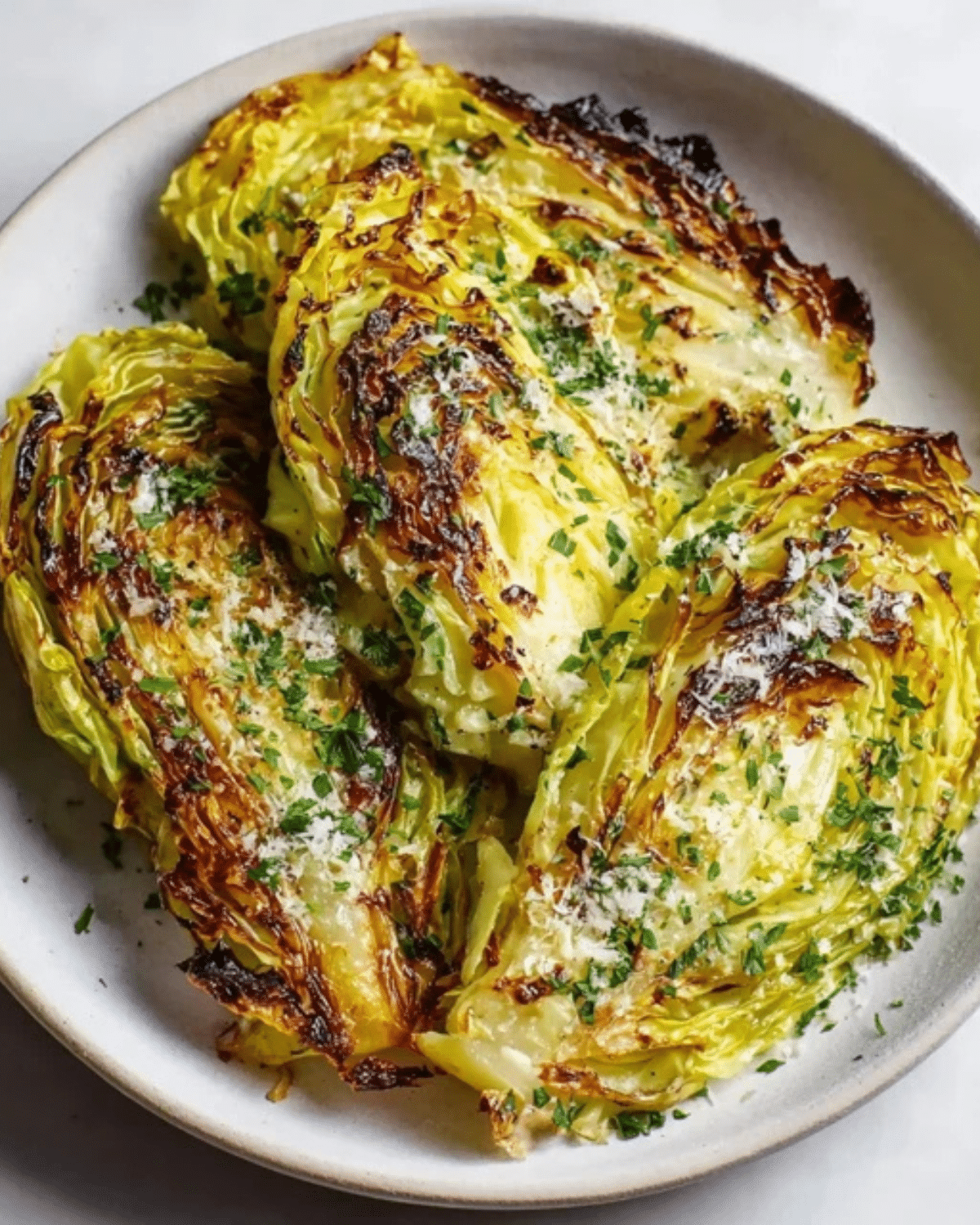
Cozy melted cabbage is the kind of dish that turns a simple vegetable into pure comfort. This cozy melted cabbage recipe focuses on slow cooking and gentle heat to transform cabbage into something soft, rich, and deeply satisfying. Instead of crisp edges or firm bites, melted cabbage is all about tenderness, warmth, and flavor that feels soothing from the first forkful.
Melted cabbage works beautifully as a side dish, yet it’s comforting enough to stand on its own. With the right technique, cabbage becomes buttery, mellow, and almost creamy in texture. In this guide, you’ll learn what melted cabbage is, why it’s so comforting, and how to make it perfectly at home.
JUMP TO
Table of Contents
What Is Cozy Melted Cabbage and Why It’s So Comforting
Cozy melted cabbage is cabbage that’s cooked slowly until it becomes exceptionally soft and flavorful. Unlike roasted or stir-fried cabbage, melted cabbage is designed to be tender rather than crisp.
What “Melted Cabbage” Really Means
The term “melted” refers to the texture. When cabbage is cooked gently over time, its fibers relax and soften. Instead of holding a firm shape, the cabbage almost melts into itself while still maintaining structure.
This technique allows the cabbage to absorb seasoning fully, creating a dish that tastes rich and cohesive rather than separate pieces of vegetable.
Why This Dish Feels Cozy and Satisfying
Melted cabbage feels cozy because it’s warm, soft, and comforting. The slow cooking process removes cabbage’s sharp edge and brings out its natural sweetness. The result is a dish that feels nourishing and calming.
It’s the kind of food that pairs well with quiet dinners, cold evenings, or whenever you want something simple and grounding.
How Melted Cabbage Differs From Roasted Cabbage
Roasted cabbage focuses on caramelization and crispness, while melted cabbage focuses on softness and depth. Instead of high heat, melted cabbage uses moderate heat and time to achieve its texture.
This difference makes melted cabbage ideal for those who prefer tender vegetables with a silky mouthfeel rather than crunch.
Ingredients Needed for Cozy Melted Cabbage
Cozy melted cabbage relies on a small group of ingredients that work together to create a soft, comforting texture and gentle flavor. Because this dish is all about tenderness rather than bold seasoning, ingredient quality and balance matter more than quantity.
Core Ingredients for Melted Cabbage
Green cabbage is the heart of cozy melted cabbage. It softens beautifully when cooked slowly and develops a mellow sweetness that defines the dish. Butter or olive oil provides richness and helps the cabbage cook evenly without drying out. Onion adds subtle sweetness and depth as it softens alongside the cabbage.
Garlic is optional but highly recommended. When cooked gently, it becomes mild and aromatic, enhancing the cabbage without overpowering it. Salt and black pepper are usually all the seasoning needed to bring everything together.
These ingredients form a base that allows the cabbage to shine while still feeling rich and comforting.
Choosing the Best Cabbage for Melting
For melted cabbage, green cabbage is the best choice. It has sturdy leaves that soften gradually and hold up well during longer cooking times. Look for a head of cabbage that feels heavy for its size, with tight, pale green leaves.
Avoid cabbage with loose or dry outer leaves, as it may cook unevenly. Smaller to medium heads are easier to cut and tend to soften more evenly than very large ones.
Savoy cabbage can also work if you prefer a slightly softer texture, though it melts faster and requires closer attention to avoid overcooking.
Flavor Additions That Enhance Comfort
While cozy melted cabbage is intentionally simple, a few additions can deepen the flavor without changing the character of the dish. A small amount of cream or milk creates a richer, almost velvety texture. Grated cheese added near the end can make the cabbage feel more indulgent and filling.
Herbs like thyme or parsley add freshness, while a pinch of nutmeg brings warmth. These additions should be used lightly so the cabbage remains the focus.
How to Make Cozy Melted Cabbage Step by Step
The key to cozy melted cabbage is patience. Slow cooking allows the cabbage to soften gradually and absorb flavor without breaking down completely.
Prepping Cabbage for Even Melting
Start by removing any tough outer leaves from the cabbage. Cut the head in half, remove the core, and slice the cabbage into thick ribbons or chunks. Pieces should be large enough to hold together during cooking.
Slice the onion thinly so it cooks at the same pace as the cabbage. Mince the garlic finely if using, so it distributes evenly without burning.
Cooking Technique for Soft, Buttery Texture
Heat a wide pan or deep skillet over medium heat and add butter or oil. Add the onion and cook gently until soft and translucent. Stir in the garlic and cook briefly until fragrant.
Add the cabbage to the pan, season lightly with salt and pepper, and stir to coat it with the fat. Cover the pan and reduce the heat slightly. Let the cabbage cook slowly, stirring occasionally, as it releases moisture and begins to soften.
As the cabbage cooks, it will shrink significantly. Keep the pan covered most of the time to trap steam, which helps the cabbage melt rather than brown. If the pan becomes dry, add a small splash of water or broth to maintain moisture.

How to Avoid Mushy Cabbage
Mushy cabbage usually comes from cooking at too high a heat or stirring too often. Gentle heat and patience are essential. The cabbage should be very tender but still recognizable as pieces, not a puree.
Taste as you go and remove the cabbage from heat once it reaches a soft, silky texture. Overcooking past this point causes the cabbage to lose structure.
Cozy Melted Cabbage Variations You Can Try
Cozy melted cabbage is simple by design, yet it adapts easily to different tastes. Small changes can create new layers of comfort while keeping the dish soft and satisfying.
Garlic Melted Cabbage
Garlic melted cabbage is one of the most popular variations. Adding extra garlic early in the cooking process allows it to mellow and blend into the cabbage as it melts. The result is deeply aromatic without sharpness.
This version works well when you want a little more flavor while still keeping the dish gentle and comforting.
Cheesy Melted Cabbage Option
For a richer take, grated cheese can be added near the end of cooking. As it melts, it coats the cabbage and creates a creamy texture that feels indulgent. Mild cheeses work best so they don’t overpower the cabbage.
Cheesy melted cabbage is especially satisfying as a main dish when paired with bread or grains.
Vegan and Dairy-Free Melted Cabbage
Cozy melted cabbage can easily be made vegan by using olive oil instead of butter and skipping dairy additions. Nutritional yeast adds depth and a subtle savory note without changing the texture.
This version keeps the dish light while still delivering warmth and comfort.
Serving Ideas for Cozy Melted Cabbage
Cozy melted cabbage is versatile enough to fit into many meals. Its soft texture and mild flavor make it a natural companion to a wide range of dishes.
What to Serve With Melted Cabbage
As a side dish, melted cabbage pairs well with roasted chicken, baked fish, or beef-based mains. It also works beautifully alongside simple grains like rice or potatoes, which absorb its buttery flavor.
For lighter meals, serve it with a salad or legumes to create balance.
Using Melted Cabbage as a Main Dish
Melted cabbage can stand on its own when served in larger portions. Adding cheese, cream, or plant-based protein makes it filling enough for a main course.
Serve it in a bowl rather than on a plate to emphasize its cozy, comforting nature.
Portion Sizing and Plating Tips
As a side dish, one cup per person is usually enough. For a main dish, increase portions and add complementary sides.
Serve melted cabbage hot so its texture stays soft and silky.
Storage and Reheating Melted Cabbage
Cozy melted cabbage stores well and is often even better the next day.
How Long Melted Cabbage Lasts in the Fridge
Once cooled, store melted cabbage in an airtight container in the refrigerator. It will keep well for up to four days. The flavor continues to develop as it rests.
Best Reheating Methods
Reheat melted cabbage gently on the stovetop over low heat. Add a small splash of water or broth if needed to loosen the texture.
Microwaving works for convenience, though stovetop reheating preserves the silky consistency better.
Can Melted Cabbage Be Frozen
Freezing is possible, but the texture becomes softer after thawing. If freezing, store in airtight containers and use within two months. Thaw in the refrigerator before reheating gently.
FAQs About Cozy Melted Cabbage
Why Is My Cabbage Not Melting
Cabbage may not melt if the heat is too high or the pan isn’t covered enough. Lower heat and trapped steam help soften the cabbage properly.
Should Cabbage Be Boiled First
No, boiling isn’t necessary. Melted cabbage softens best when cooked slowly in the pan with controlled moisture.
How Long Does Cabbage Take to Soften
Most cabbage takes 30 to 40 minutes to fully melt, depending on thickness and heat level.
Is Melted Cabbage Healthy
Yes, cozy melted cabbage can be a healthy dish. Cabbage is high in fiber and nutrients, and the dish can be adjusted to be lighter or richer depending on added fats.
Conclusion: Why Cozy Melted Cabbage Is Worth Making
Cozy melted cabbage turns a simple vegetable into something deeply comforting. Through gentle heat and patience, cabbage becomes soft, sweet, and satisfying in a way that feels nourishing and familiar. Whether served as a side dish or enjoyed as a main, cozy melted cabbage brings warmth to the table without complexity.
This recipe proves that comfort food doesn’t need to be complicated. With just a few ingredients and the right technique, cozy melted cabbage delivers flavor, texture, and calm in every bite.
PrintCozy Melted Cabbage Recipe – A Simple Comfort Food Favorite

Cozy melted cabbage is a comforting dish made by slowly cooking cabbage with butter or oil and gentle seasonings until it becomes soft, tender, and rich in flavor.
- Prep Time: 10 minutes
- Cook Time: 40 minutes
- Total Time: 50 minutes
- Yield: 4 servings 1x
- Category: Side Dish
- Method: Stovetop Slow Cooking
- Cuisine: American
- Diet: Vegetarian
Ingredients
- 1 medium green cabbage, sliced
- 3 tablespoons butter or olive oil
- 1 small yellow onion, thinly sliced
- 2 cloves garlic, minced
- 1/2 teaspoon salt
- 1/4 teaspoon black pepper
- 1/4 cup vegetable broth or water (as needed)
- 1/4 cup grated cheese or cream (optional)
Instructions
- Remove outer leaves from the cabbage, cut out the core, and slice into thick ribbons.
- Heat butter or oil in a wide pan over medium heat.
- Add sliced onion and cook gently until soft and translucent.
- Stir in garlic and cook briefly until fragrant.
- Add cabbage to the pan and season with salt and pepper.
- Cover the pan, reduce heat to medium-low, and cook slowly, stirring occasionally.
- Add small amounts of broth or water if the pan becomes dry.
- Continue cooking for 30–40 minutes until cabbage is very soft and tender.
- Stir in optional cheese or cream if using, then remove from heat and serve warm.
Notes
- Cook over low to medium heat to avoid browning.
- Keep the pan covered to help the cabbage soften.
- Do not over-stir to maintain texture.
- Flavor improves after resting for a few minutes.
Nutrition
- Serving Size: 1 cup
- Calories: 160
- Sugar: 6g
- Sodium: 380mg
- Fat: 11g
- Saturated Fat: 5g
- Unsaturated Fat: 5g
- Trans Fat: 0g
- Carbohydrates: 14g
- Fiber: 5g
- Protein: 4g
- Cholesterol: 20mg