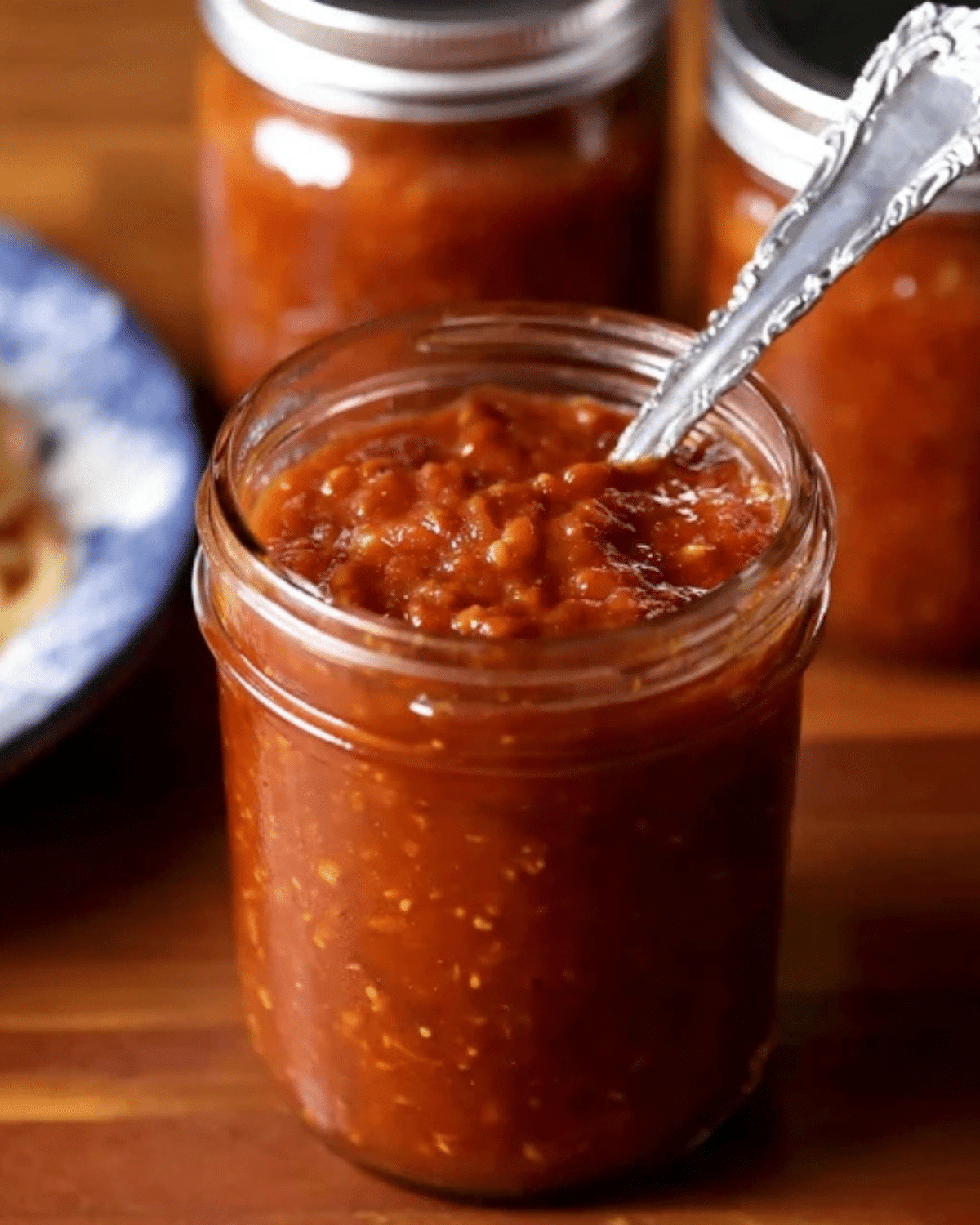
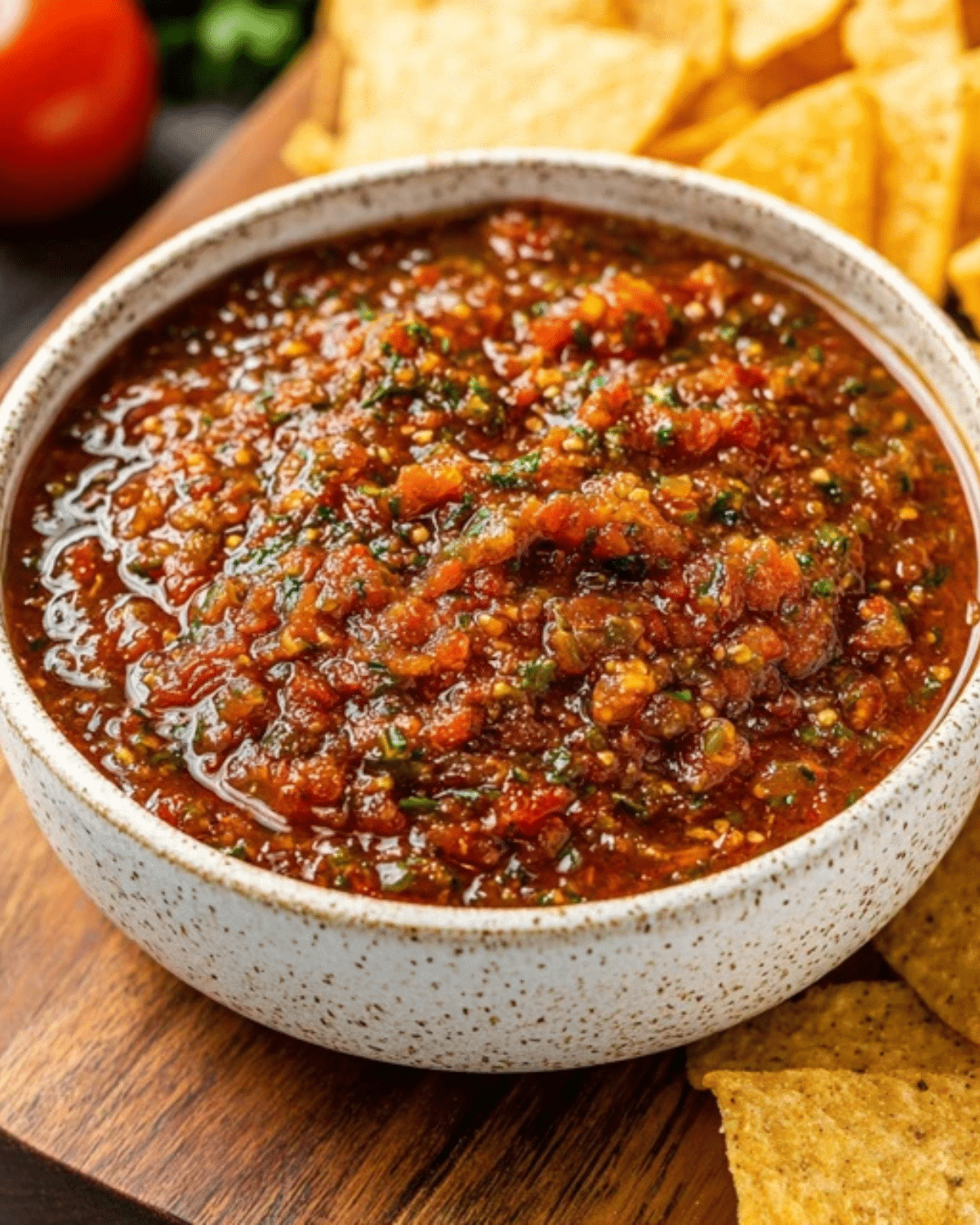
Fire roasted salsa is the ultimate upgrade from traditional fresh salsa. Thanks to charred tomatoes, blistered peppers, and roasted garlic, this smoky salsa recipe delivers deep, bold flavor that simply can’t be achieved with raw ingredients alone. Even better, fire roasted salsa is perfect for canning, which means you can preserve that rich taste and enjoy it year-round.
In this complete guide, you’ll learn how to make homemade fire roasted salsa, how to roast vegetables properly, how to safely can it using tested guidelines, and how to store it for long-term use. If you love smoky, slightly sweet, and perfectly spicy salsa, this recipe will quickly become your go-to.
JUMP TO
Table of Contents
What Makes Fire Roasted Salsa Different from Regular Salsa
Although both versions use tomatoes, peppers, and onions, fire roasted salsa stands apart because of one critical step—roasting.
The Smoky Flavor from Roasted Tomatoes and Peppers
When tomatoes and peppers are roasted at high heat, their natural sugars caramelize. As a result, they develop a smoky, slightly sweet depth of flavor. The charred edges also add subtle bitterness, which balances the acidity beautifully.
Because of this roasting process, fire roasted salsa tastes richer and more complex than raw salsa.
Fire Roasted Salsa vs Fresh Salsa
Fresh salsa (also known as salsa fresca or pico de gallo) relies on crisp, uncooked vegetables. In contrast, homemade fire roasted salsa is softer, thicker, and more cohesive.
Here’s a quick comparison:
| Feature | Fresh Salsa | Fire Roasted Salsa |
|---|---|---|
| Texture | Chunky & crisp | Smooth or rustic |
| Flavor | Bright & raw | Smoky & deep |
| Best For | Immediate serving | Canning & storage |
| Shelf Life | Short | Long when canned |
Because roasting removes excess moisture, fire roasted salsa is especially ideal for preserving.
Why Roasting Enhances Natural Sweetness
High heat breaks down cell walls in tomatoes and onions. Therefore, their natural sugars become more concentrated. Consequently, you often need less added sugar.
Best Occasions to Serve Fire Roasted Salsa
This smoky salsa recipe works perfectly for:
- Game day snacks
- Taco night
- Backyard BBQs
- Holiday appetizer spreads
Moreover, canned fire roasted salsa makes a thoughtful homemade gift.
Ingredients for the Best Fire Roasted Salsa
Simple ingredients create bold results.

Choosing the Right Tomatoes for Roasting
Roma or paste tomatoes are best because they contain less water and more flesh. However, other firm varieties also work well.
Avoid overly watery slicing tomatoes unless you plan to simmer longer.
Peppers That Add Heat and Depth
For balanced heat:
- Jalapenos add moderate spice
- Poblanos add smoky depth
- Serranos increase heat
You can remove seeds for milder salsa or leave them for extra kick.
Onion, Garlic, and Fresh Herbs
White or yellow onions roast beautifully. Garlic becomes sweet and mellow when charred.
Fresh cilantro adds brightness, although it should be added after roasting.
Vinegar or Bottled Lemon Juice for Safe Canning
Because salsa contains low-acid vegetables, proper acidity is essential for safety. Always use bottled lemon juice or 5% acidity vinegar.
According to the USDA Complete Guide to Home Canning (https://nchfp.uga.edu), maintaining safe acidity prevents harmful bacterial growth.
Ingredient Measurements Table
| Ingredient | Amount |
|---|---|
| Roma tomatoes | 6 pounds |
| Jalapeno peppers | 4 |
| Poblano peppers | 2 |
| Onion | 1 large |
| Garlic cloves | 6 |
| Bottled lemon juice | 1 cup |
| Salt | 2 teaspoons |
| Ground cumin (optional) | 1 teaspoon |
| Black pepper | 1/2 teaspoon |
| Fresh cilantro (optional) | 1/4 cup |
Never reduce the acid quantity in canned fire roasted salsa.
How to Make This Smoky Salsa Recipe Step by Step
Now let’s break down the process.
Roasting the Vegetables for Maximum Flavor
Preheat oven to 425°F. Arrange tomatoes, halved peppers, onion quarters, and garlic on a baking sheet.
Roast for 20–25 minutes until vegetables soften and develop charred spots. For deeper flavor, broil briefly at the end.
Peeling and Preparing Roasted Tomatoes
After roasting, let vegetables cool slightly. You may peel excess tomato skins if desired, although blending often removes noticeable texture.
Blending to Your Preferred Texture
Transfer roasted vegetables to a large pot. Use an immersion blender for smooth salsa or pulse lightly for a chunkier consistency.
Because roasting softens everything, blending is quick and easy.
Simmering for Thickness and Flavor Balance
Add lemon juice, salt, cumin, and black pepper. Bring to a boil, then reduce to a simmer for 10–15 minutes.
This step thickens the salsa and blends flavors together.
Filling and Sealing Jars Properly
Ladle hot fire roasted salsa into sterilized jars, leaving 1/2 inch headspace. Remove air bubbles and wipe rims clean.
Apply lids and bands fingertip tight.
Safe Canning Practices for Fire Salsa
Safety is critical when preserving salsa.
Why Acidity Is Critical for Salsa Recipes
Tomatoes alone may not be acidic enough. Therefore, bottled lemon juice ensures a safe pH level below 4.6.
Never substitute fresh lemon juice, as acidity levels vary.
Water Bath Canning Process Explained
Place filled jars into a boiling water canner, ensuring water covers jars by at least 1 inch.
Process pint jars for 15 minutes (adjust for altitude).
Afterward, remove jars and cool undisturbed for 12–24 hours.
Altitude Adjustments for Safe Processing
Higher elevations require longer processing times. Always consult USDA altitude charts.
Common Salsa Canning Mistakes to Avoid
- Reducing vinegar or lemon juice
- Overfilling jars
- Skipping headspace measurement
- Ignoring seal checks
Because improper canning can lead to spoilage, precision matters.
Tips for Thick and Flavorful Fire Roasted Salsa
Preventing Watery Salsa
Use paste tomatoes and simmer uncovered if needed. Additionally, avoid overloading with watery vegetables.
Controlling Spice Levels
Remove pepper seeds for mild salsa. Add serranos for extra heat.
Balancing Smoky, Tangy, and Spicy Notes
If salsa tastes too acidic, add a small pinch of sugar. However, avoid excessive sweetness.
How to Get Restaurant-Style Texture
Pulse briefly for a rustic texture. Blend longer for smooth salsa.
How to Store and Use Fire Roasted Salsa
Shelf Life of Canned Fire Roasted Salsa
Properly sealed jars last up to 12 months in a cool, dark pantry.
Refrigeration After Opening
Once opened, refrigerate and use within 1–2 weeks.
Signs Your Salsa Has Spoiled
Discard jars if you notice:
- Bulging lids
- Leaks
- Mold
- Off smell
Never taste questionable salsa.
Creative Ways to Serve Fire Roasted Salsa
Use fire roasted salsa for:
- Tortilla chips
- Tacos and burritos
- Grilled meats
- Eggs and breakfast bowls
- Slow cooker recipes
Because it’s versatile, it enhances nearly any savory dish.
Nutritional Information of Fire Roasted Salsa
Calories and Macronutrients
Fire roasted salsa is low in calories and fat while offering natural carbohydrates from tomatoes.
Vitamin and Antioxidant Benefits
Tomatoes contain lycopene, vitamin C, and antioxidants. Roasting may even increase lycopene availability.
Is Fire Roasted Salsa Healthy?
Yes. Since it’s low in fat and made primarily from vegetables, homemade fire roasted salsa is a healthy condiment choice when enjoyed in moderation.
Frequently Asked Questions About Fire Roasted Salsa
Can you safely can fire roasted salsa?
Yes, as long as you use proper acidity and follow tested water bath canning methods.
Do you need to peel tomatoes before roasting?
Peeling is optional, but it improves texture.
Why is my fire roasted salsa watery?
Watery salsa results from high-moisture tomatoes or insufficient simmering.
Can I use canned tomatoes instead of fresh?
Fresh tomatoes are recommended for best flavor and safe acidity balance.
Final Thoughts on Making Fire Roasted Salsa at Home
Fire roasted salsa delivers smoky depth, balanced acidity, and vibrant heat in every bite. Because roasting enhances natural sweetness and safe canning preserves flavor, this recipe offers the best of both worlds.
By following proper acidity guidelines and precise water bath canning steps, you can confidently preserve homemade fire roasted salsa for months. Once you taste the difference, you’ll never settle for bland store-bought salsa again.
PrintFire Roasted Salsa – Smoky & Bold Canning Guide

Fire Roasted Salsa is a smoky and bold homemade salsa made with roasted tomatoes, peppers, onion, and garlic, then safely preserved using water bath canning. It delivers deep flavor and balanced heat, perfect for chips, tacos, and year-round storage.
- Prep Time: 25 minutes
- Cook Time: 45 minutes
- Total Time: 1 hour 10 minutes
- Yield: 6 pint jars 1x
- Category: Salsa
- Method: Roasting and Water Bath Canning
- Cuisine: Mexican
- Diet: Vegan
Ingredients
- 6 pounds Roma or paste tomatoes
- 4 jalapeno peppers, halved
- 2 poblano peppers, halved
- 1 large white or yellow onion, quartered
- 6 garlic cloves, peeled
- 1 cup bottled lemon juice or 5% acidity vinegar
- 2 teaspoons salt
- 1 teaspoon ground cumin (optional)
- 1/2 teaspoon black pepper
- 1/4 cup chopped fresh cilantro (optional)
Instructions
- Preheat oven to 425°F. Arrange tomatoes, jalapenos, poblanos, onion, and garlic on a large baking sheet.
- Roast for 20 to 25 minutes until vegetables are softened and lightly charred. Broil for 2 to 3 minutes for deeper char if desired.
- Remove vegetables from oven and allow to cool slightly. Peel excess tomato skins if preferred.
- Transfer roasted vegetables to a large pot. Blend using an immersion blender or food processor to desired consistency.
- Add bottled lemon juice or vinegar, salt, cumin, and black pepper. Bring mixture to a boil, then reduce heat and simmer for 10 to 15 minutes.
- Stir in chopped cilantro if using.
- Ladle hot salsa into sterilized pint jars, leaving 1/2 inch headspace. Remove air bubbles and wipe rims clean.
- Place lids on jars and tighten bands fingertip tight.
- Process jars in a boiling water bath for 15 minutes, adjusting for altitude as needed. Remove and cool undisturbed for 12 to 24 hours before storing.
Notes
- Always use bottled lemon juice or 5% acidity vinegar to ensure safe canning.
- Do not reduce the acid quantity, as proper pH is critical for safety.
- Use paste tomatoes for thicker salsa with less liquid.
- Remove pepper seeds and membranes for a milder salsa.
- Properly sealed jars can be stored in a cool dark pantry for up to 12 months.
Nutrition
- Serving Size: 1/4 cup
- Calories: 30
- Sugar: 4g
- Sodium: 190mg
- Fat: 0g
- Saturated Fat: 0g
- Unsaturated Fat: 0g
- Trans Fat: 0g
- Carbohydrates: 7g
- Fiber: 1g
- Protein: 1g
- Cholesterol: 0mg