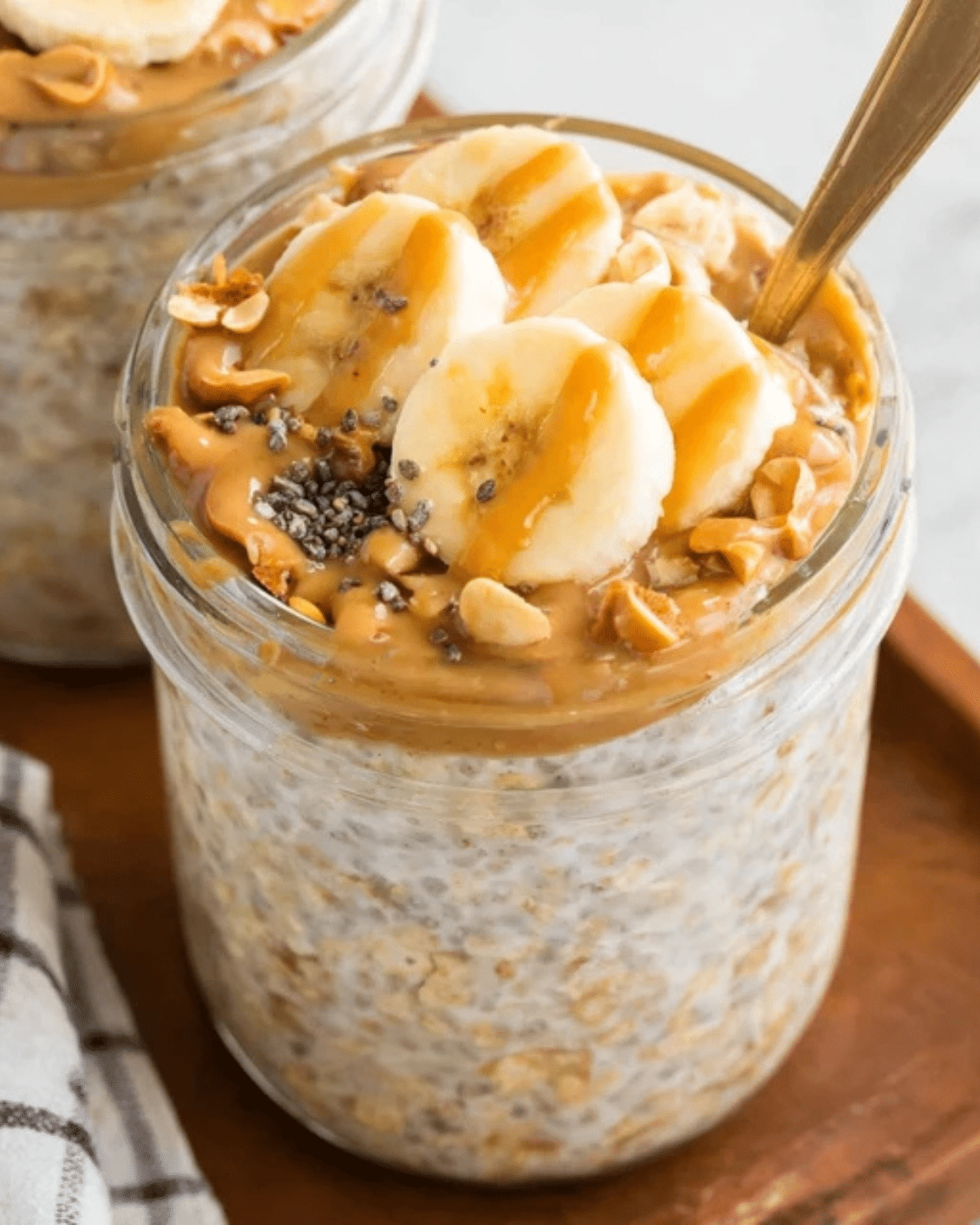
High-protein peanut butter overnight oats have quickly become one of the most trusted breakfast options for busy mornings, fitness-focused lifestyles, and anyone who wants a filling meal without cooking. Because they combine protein, fiber, and healthy fats in one jar, they keep you full longer while supporting steady energy levels. Even better, they’re simple to prep ahead, which makes mornings feel calmer and more organized.
In this guide, you’ll learn exactly why high-protein peanut butter overnight oats work so well, how they compare to traditional oatmeal, and what makes them such a smart choice for breakfast or post-workout fuel. As we move forward, you’ll also discover nutrition details, ingredient tips, and practical advice that make this recipe easy to customize and repeat all week long.
JUMP TO
Table of Contents
Why High-Protein Peanut Butter Overnight Oats Are So Popular
High-protein peanut butter overnight oats continue to trend across health blogs, meal-prep plans, and fitness routines, and for good reason. They offer balance, convenience, and flavor all at once. While many breakfasts spike blood sugar and leave you hungry later, this combination works differently, delivering slow-digesting carbs and satisfying protein together.
The Rise of High-Protein Breakfasts in the USA
Over the past few years, protein-focused breakfasts have become a priority for many Americans. As people aim to manage weight, build muscle, or simply avoid mid-morning crashes, protein has taken center stage. High-protein peanut butter overnight oats fit perfectly into this shift because they are easy to prepare yet nutritionally dense. Instead of relying on sugary cereals or pastries, more people now prefer oats paired with peanut butter and protein-rich additions.
Because protein helps regulate appetite hormones, starting the day with a protein-rich breakfast often leads to better food choices later. As a result, overnight oats made with peanut butter and protein powder have become a staple for both athletes and everyday eaters.
Why Peanut Butter and Oats Work So Well Together
Peanut butter and oats complement each other in both texture and nutrition. Oats provide complex carbohydrates and soluble fiber, which digest slowly and support heart health. Meanwhile, peanut butter contributes plant-based protein and healthy fats, which enhance satiety and flavor.
When combined, these two ingredients create a creamy, satisfying base that holds up well overnight. Unlike quick-cook oatmeal, oats soaked overnight absorb liquid gradually, resulting in a smooth, pudding-like texture. Because peanut butter blends easily, it distributes flavor evenly, ensuring every bite tastes rich and comforting.
Overnight Oats vs Traditional Oatmeal
Although traditional oatmeal is warm and comforting, overnight oats offer unique advantages. Since they require no cooking, they save time and energy. More importantly, soaking oats overnight makes them easier to digest for many people, while preserving nutrients that can be lost during high-heat cooking.
High-protein peanut butter overnight oats also allow for precise nutritional control. You can measure protein powder, milk, and add-ins ahead of time, which makes them ideal for meal prep. Compared to traditional oatmeal, they are less likely to become mushy and more likely to stay consistent throughout the week.
Nutritional Benefits of High-Protein Peanut Butter Overnight Oats
High-protein peanut butter overnight oats are more than just convenient. They’re packed with nutrients that support energy, fullness, and overall wellness. Because this recipe balances protein, fiber, and healthy fats, it works well for busy mornings, post-workout recovery, or even a light lunch.
Protein Content and Muscle Support
Protein plays a key role in muscle repair, hormone balance, and appetite control. High-protein peanut butter overnight oats typically deliver between 15 and 30 grams of protein per serving, depending on the ingredients used. This makes them ideal for people who lift weights, run regularly, or simply want a more filling breakfast.
Protein powder, Greek yogurt, or milk all increase the protein content without making the oats heavy. When combined with peanut butter, which naturally contains plant-based protein, the result is a slow-digesting meal that supports muscle recovery while keeping hunger in check.
Fiber, Healthy Fats, and Sustained Energy
Oats are rich in soluble fiber, especially beta-glucan, which helps stabilize blood sugar and improve digestion. Because overnight oats digest slowly, they prevent energy crashes that often follow sugary breakfasts. Peanut butter adds healthy monounsaturated fats, which further slow digestion and increase satisfaction.
Together, fiber and healthy fats create long-lasting energy. As a result, high-protein peanut butter overnight oats are often recommended for people who struggle with mid-morning hunger or afternoon fatigue.
How This Recipe Supports Weight Management
Because high-protein peanut butter overnight oats keep you full longer, they naturally reduce snacking between meals. Protein increases satiety hormones, while fiber adds bulk without excess calories. When eaten consistently, this combination may support weight management without strict dieting.
Portion control is also easier. Since overnight oats are prepared in advance, you’re less likely to overeat compared to cooking oatmeal while hungry. That predictability helps many people stay consistent with their nutrition goals.
Ingredients Needed for High-Protein Peanut Butter Overnight Oats

The beauty of high-protein peanut butter overnight oats lies in their flexibility. While the base ingredients stay simple, you can easily adjust them to match your taste, dietary needs, or protein goals.
Choosing the Best Oats for Overnight Soaking
Old-fashioned rolled oats are the best choice for overnight oats. They soften nicely without turning mushy, which creates a creamy but textured result. Quick oats absorb liquid too fast and often become gummy, while steel-cut oats stay too firm unless soaked much longer.
Rolled oats also hold their shape when mixed with peanut butter and protein powder, ensuring even texture throughout the jar.
Peanut Butter Options: Natural vs Regular
Natural peanut butter, made with just peanuts and salt, is ideal for overnight oats. It blends smoothly and provides clean flavor without added sugar. Regular peanut butter works too, although it may slightly increase sweetness and calories.
If the peanut butter is very thick, stirring it with milk before mixing helps distribute it evenly. This prevents clumps and improves consistency after chilling.
Protein Sources That Boost Nutrition
There are several ways to increase protein in peanut butter overnight oats. Protein powder is the most direct option and works well when mixed thoroughly with liquid. Vanilla or unflavored varieties pair best with peanut butter.
Greek yogurt adds creaminess and protein while also improving texture. Milk, whether dairy or plant-based, contributes additional protein depending on the type used. Combining two protein sources often creates the most balanced result.
Optional Add-Ins for Flavor and Texture
Although high-protein peanut butter overnight oats taste great on their own, add-ins can enhance both flavor and nutrition. Banana slices add natural sweetness and potassium. Chia seeds boost fiber and omega-3 fats. Cinnamon adds warmth without sugar.
Because overnight oats sit for several hours, it’s best to avoid add-ins that release too much water unless balanced with thicker ingredients.
Step-by-Step Method to Make High-Protein Peanut Butter Overnight Oats
Making high-protein peanut butter overnight oats is straightforward, but small details make a big difference. Following the right order ensures smooth texture and consistent flavor.
Mixing Ingredients the Right Way
Start by adding oats to a jar or container. Next, mix milk and protein powder separately until smooth. This step prevents protein clumps later. Once smooth, pour the mixture over the oats, then add peanut butter and any sweeteners.
Stir thoroughly, making sure peanut butter is fully incorporated. Scrape the bottom and sides so all oats absorb liquid evenly.
Soaking Time and Consistency Tips
Overnight oats need at least four hours to soften properly, although eight hours delivers the best texture. If the oats look too thick in the morning, adding a splash of milk loosens them instantly.
Because protein powder thickens as it sits, slightly more liquid than usual often works better for high-protein peanut butter overnight oats.
Common Mistakes to Avoid
One common mistake is adding protein powder directly to dry oats without mixing. This often leads to uneven texture. Another issue is using too little liquid, which results in dry oats.
Overloading add-ins can also affect consistency. Keeping a balance between dry and wet ingredients ensures reliable results every time.
Flavor Variations and Customizations
High-protein peanut butter overnight oats adapt easily to different tastes. By adjusting a few ingredients, you can enjoy variety without changing the base method.
Banana Peanut Butter Protein Oats
Adding mashed banana creates a naturally sweet, creamy version of high-protein peanut butter overnight oats. Banana pairs perfectly with peanut butter while adding potassium and fiber. This variation works especially well as a pre-workout meal.
Chocolate Peanut Butter Overnight Oats
Cocoa powder or chocolate protein powder transforms the oats into a dessert-like breakfast. Because cocoa is naturally bitter, pairing it with peanut butter balances the flavor without needing extra sugar.
Dairy-Free and Vegan Protein Options
Plant-based milk and vegan protein powder work well for dairy-free versions. Peanut butter already provides plant protein, so pairing it with pea or soy protein keeps nutrition balanced while maintaining creaminess.
Storage, Meal Prep, and Serving Tips
High-protein peanut butter overnight oats are ideal for meal prep because they hold their texture and flavor for several days. With a little planning, you can prepare multiple servings at once and enjoy stress-free mornings all week.
How Long High-Protein Peanut Butter Overnight Oats Last in the Fridge
When stored properly in an airtight container, high-protein peanut butter overnight oats last up to five days in the refrigerator. Because oats continue to absorb liquid, the texture may thicken slightly over time. However, adding a small splash of milk before eating restores creaminess instantly.
For best results, store toppings separately and add them just before serving. This keeps the oats fresh while preserving texture.
Best Containers for Meal Prep
Glass jars with tight-fitting lids work best for overnight oats. They prevent odors from spreading and make portion control easy. Plastic containers also work, although glass maintains flavor better over time.
Using single-serving containers ensures consistency. Since high-protein peanut butter overnight oats are filling, pre-measured servings help prevent overeating.
Toppings That Add Protein Without Sugar
Toppings can boost protein without adding unnecessary sugar. Chopped nuts, hemp seeds, and unsweetened coconut flakes add texture and nutrition. A drizzle of natural peanut butter enhances flavor while increasing healthy fat content.
Avoid sugary granola or flavored syrups, as they reduce the nutritional balance of the meal.
Frequently Asked Questions About High-Protein Peanut Butter Overnight Oats
Are Peanut Butter Overnight Oats Good for Weight Loss?
Yes, high-protein peanut butter overnight oats can support weight loss when portioned correctly. Protein and fiber increase fullness, which helps reduce snacking later in the day. Choosing unsweetened ingredients also keeps calories controlled.
Can I Make Overnight Oats Without Protein Powder?
Absolutely. Peanut butter, Greek yogurt, and milk all contribute protein. While protein powder increases total protein, it’s optional if you prefer whole-food sources.
Are Overnight Oats Eaten Cold or Warm?
Overnight oats are typically eaten cold, straight from the fridge. However, they can be gently warmed in the microwave if you prefer a warm breakfast. Heating does not reduce their nutritional value.
Can I Use Water Instead of Milk?
Yes, water works, but the oats will be less creamy and lower in protein. For high-protein peanut butter overnight oats, milk or a milk alternative is recommended for better flavor and nutrition.
Conclusion: Why High-Protein Peanut Butter Overnight Oats Belong in Your Routine
High-protein peanut butter overnight oats combine simplicity, nutrition, and flavor in one dependable meal. Because they’re easy to prep, customizable, and filling, they fit effortlessly into busy lifestyles. Whether your goal is better mornings, improved energy, or consistent nutrition, this recipe delivers without added stress.
By pairing oats with peanut butter and protein-rich ingredients, you create a breakfast that keeps you satisfied and energized. Once you make them part of your routine, mornings feel easier, and healthy eating becomes automatic.
PrintHigh-Protein Peanut Butter Overnight Oats for Easy, Healthy Mornings

High-protein peanut butter overnight oats are a creamy, no-cook breakfast made with oats, peanut butter, and protein-rich ingredients, perfect for meal prep and busy mornings.
- Prep Time: 5 minutes
- Cook Time: 0 minutes
- Total Time: 4 hours 5 minutes
- Yield: 1 serving 1x
- Category: Breakfast
- Method: Marinated (No-Cook)
- Cuisine: American
- Diet: Vegetarian
Ingredients
- 1/2 cup old-fashioned rolled oats
- 1 cup milk or unsweetened plant-based milk
- 2 tablespoons natural peanut butter
- 1 scoop vanilla or unflavored protein powder
- 1 tablespoon chia seeds (optional)
- 1/2 ripe banana, mashed or sliced (optional)
- 1/2 teaspoon cinnamon (optional)
- 1 teaspoon honey or maple syrup (optional)
Instructions
- Add the rolled oats to a jar or airtight container.
- In a separate bowl, whisk the milk and protein powder until smooth.
- Pour the milk mixture over the oats.
- Add peanut butter, chia seeds, banana, cinnamon, and sweetener if using.
- Stir well until all ingredients are fully combined.
- Cover and refrigerate for at least 4 hours or overnight.
- Stir before serving and add a splash of milk if needed for consistency.
Notes
- Use rolled oats for best texture; avoid quick oats.
- Natural peanut butter blends more smoothly.
- Add toppings like nuts or seeds just before serving.
- Adjust milk for thicker or thinner consistency.
Nutrition
- Serving Size: 1 jar
- Calories: 420 kcal
- Sugar: 9 g
- Sodium: 180 mg
- Fat: 18 g
- Saturated Fat: 4 g
- Unsaturated Fat: 13 g
- Trans Fat: 0 g
- Carbohydrates: 40 g
- Fiber: 8 g
- Protein: 25 g
- Cholesterol: 15 mg