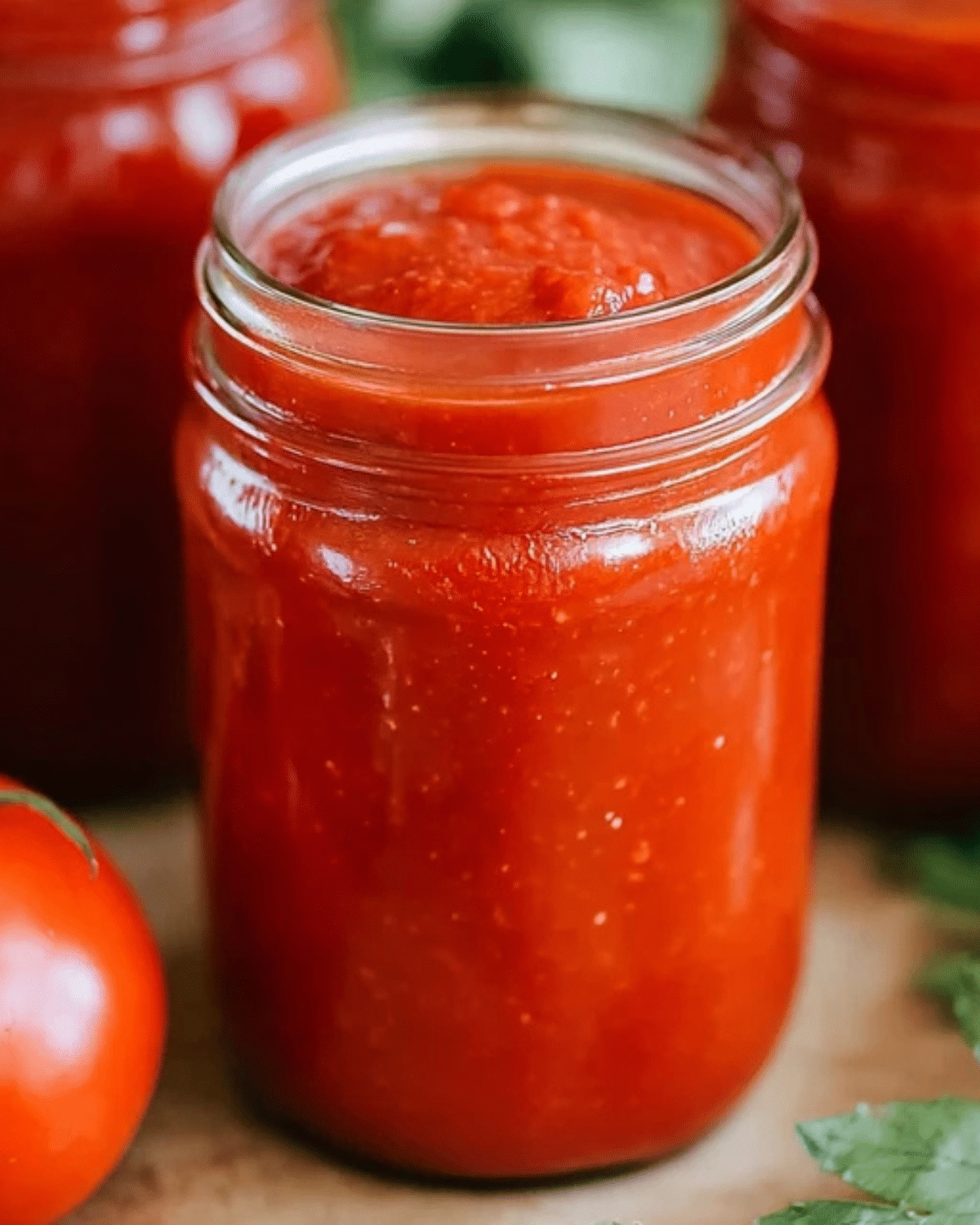
Homemade canned sauce is one of the most rewarding kitchen projects you can tackle. Not only does it capture the rich flavor of ripe tomatoes at their peak, but it also gives you full control over ingredients, texture, and seasoning. If you’ve ever wondered how to make safe, shelf-stable tomato sauce at home, this complete guide to homemade canned sauce will walk you through every step with confidence.
From choosing the best tomatoes to following USDA-approved safety methods, you’ll learn how to create a thick, flavorful tomato sauce that lasts all year. Whether you’re stocking your pantry or preserving garden tomatoes, this homemade canned sauce recipe will become a staple in your kitchen.
JUMP TO
Table of Contents
Why Homemade Canned Sauce Is Better Than Store-Bought
Although store-bought tomato sauce is convenient, homemade canned sauce offers unbeatable flavor and flexibility.
Fresh Flavor and Ingredient Control
First of all, homemade canned sauce tastes fresher. Because you’re using ripe, high-quality tomatoes, the natural sweetness and acidity shine through. Moreover, you decide exactly what goes in—no preservatives, no artificial flavors, and no hidden sugars.
Cost Savings and Bulk Cooking Benefits
When tomatoes are in season, they’re often inexpensive. Therefore, buying in bulk and making homemade canned sauce saves money long term. Additionally, canning large batches means less cooking later in the year.
No Preservatives or Artificial Additives
Commercial sauces often contain stabilizers and additives. In contrast, homemade canned sauce relies on acidity and proper canning methods for preservation.
Customizing Your Tomato Sauce to Taste
Because you’re in charge, you can adjust:
- Salt levels
- Herbs like basil and oregano
- Garlic intensity
- Thickness
As a result, your homemade canned sauce matches your family’s exact taste preferences.
Ingredients for Classic Homemade Canned Sauce
Simple ingredients create deep, classic flavor.

Choosing the Best Tomatoes for Canning
Roma tomatoes, also called paste tomatoes, are ideal for homemade canned sauce. They contain less water and more flesh, which results in thicker sauce. However, other paste varieties work well too.
Avoid overly juicy slicing tomatoes unless you plan to simmer longer.
Essential Ingredients for Balanced Flavor
For a safe and delicious homemade canned sauce, you’ll need:
- Fresh ripe tomatoes
- Bottled lemon juice (for acidity)
- Salt
- Optional sugar (to balance acidity)
According to the USDA Complete Guide to Home Canning (https://nchfp.uga.edu), adding bottled lemon juice ensures proper acidity for safe water bath canning.
Optional Add-Ins for Extra Depth
While keeping safety in mind, you may add:
- Dried basil
- Dried oregano
- Black pepper
- Garlic powder
Fresh onions and garlic can be added, but recipes must follow tested guidelines if altering acidity.
Ingredient Measurement Table
| Ingredient | Amount (for 7 quarts) |
|---|---|
| Fresh tomatoes | 20–25 pounds |
| Bottled lemon juice | 2 tablespoons per quart |
| Salt | 1 teaspoon per quart |
| Sugar (optional) | 1–2 teaspoons per quart |
Because safety matters in homemade canned sauce, never reduce lemon juice.
Step-by-Step Guide to Making Homemade Canned Sauce
Now let’s walk through the process.
Preparing and Peeling Fresh Tomatoes
First, wash tomatoes thoroughly. Then, score a small “X” at the bottom of each tomato. Submerge them in boiling water for 30–60 seconds, then transfer immediately to an ice bath.
The skins will peel off easily. After that, core and quarter the tomatoes.
Cooking and Simmering the Tomato Sauce
Place peeled tomatoes in a large pot and crush them as they heat. Bring to a boil, then reduce to a simmer.
Stir frequently to prevent scorching. Simmer for 30–90 minutes, depending on desired thickness.
Because excess water evaporates during simmering, longer cooking creates thicker homemade canned sauce.
Adjusting Acidity for Safe Canning
Before filling jars, add:
- 2 tablespoons bottled lemon juice per quart
- 1 tablespoon per pint
This step ensures safe pH levels for water bath canning.
Filling and Sealing the Jars Properly
Ladle hot homemade canned sauce into sterilized jars, leaving 1/2 inch headspace. Remove air bubbles using a non-metallic utensil.
Wipe rims clean, apply lids, and tighten bands fingertip tight.
Water Bath Canning Process Explained
Place jars into a boiling water canner. Ensure water covers jars by at least 1 inch.
Process:
- Pints: 35 minutes
- Quarts: 40 minutes
Adjust time based on altitude if necessary.
After processing, remove jars and let them cool undisturbed for 12–24 hours.
Safe Canning Practices for Homemade Tomato Sauce
Safety is critical when making homemade canned sauce.
Why Acidity Matters in Tomato Sauce
Tomatoes vary in acidity. Therefore, adding bottled lemon juice guarantees a safe pH level below 4.6, preventing harmful bacteria growth.
Water Bath vs Pressure Canning
Homemade canned sauce without added vegetables can safely be water bath canned if proper acidity is added. However, pressure canning is another safe option.
Sterilizing Jars and Equipment
Always wash jars in hot, soapy water. Keep them hot before filling. Lids should be prepared according to manufacturer instructions.
Common Canning Mistakes to Avoid
- Skipping lemon juice
- Overtightening lids
- Not adjusting for altitude
- Ignoring headspace guidelines
Because small mistakes can impact safety, follow tested methods carefully.
Tips for Thick, Rich Homemade Canned Sauce
Texture plays a huge role in flavor.
How to Naturally Thicken Tomato Sauce
Simmer longer without a lid to evaporate water. Avoid adding flour or cornstarch before canning, as they are unsafe for preservation.
Preventing Watery or Separated Sauce
Use paste tomatoes and stir consistently. Additionally, allow tomatoes to heat quickly after crushing to minimize separation.
Balancing Salt, Sugar, and Herbs
If tomatoes taste too acidic, add a small amount of sugar. However, avoid excessive sweetening.
Dried herbs can be added safely in moderation.
How Long to Simmer for Best Flavor
Although 30 minutes may be enough for safety, simmering up to 90 minutes develops deeper flavor in homemade canned sauce.
How to Store and Use Homemade Canned Sauce
Once sealed, proper storage ensures quality.
Proper Pantry Storage Guidelines
Store jars in a cool, dark place between 50°F and 70°F. Avoid direct sunlight.
Shelf Life of Canned Tomato Sauce
Homemade canned sauce is best used within 12 months. However, properly sealed jars may last longer.
How to Tell If Canned Sauce Has Spoiled
Discard if you notice:
- Bulging lids
- Leaking
- Off smell
- Mold
Never taste suspicious sauce.
Easy Recipes Using Homemade Canned Sauce
Use homemade canned sauce for:
- Spaghetti and pasta dishes
- Lasagna
- Pizza base
- Soups and stews
- Shakshuka
Because it’s versatile, one batch supports dozens of meals.
Nutritional Information of Homemade Canned Sauce
Calories and Macronutrients
Tomato sauce is naturally low in fat and moderate in carbohydrates.
Sodium and Sugar Content
Sodium depends on added salt. Sugar content comes naturally from tomatoes unless extra sugar is added.
Is Homemade Canned Sauce Healthy?
Yes, homemade canned sauce contains:
- Vitamin C
- Lycopene
- Potassium
Since you control salt and sugar, it’s often healthier than store versions.
Frequently Asked Questions About Homemade Canned Sauce
Do you have to add lemon juice when canning tomato sauce?
Yes. Bottled lemon juice ensures safe acidity levels for water bath canning.
How long does homemade canned sauce last?
It lasts about 12 months when stored properly.
Can you can tomato sauce without a pressure cooker?
Yes, if proper acidity is added, water bath canning is safe.
Why is my canned tomato sauce watery?
Watery sauce results from high-moisture tomatoes or insufficient simmering.
Final Thoughts on Making the Best Homemade Canned Sauce
Homemade canned sauce combines tradition, flavor, and food security in one jar. Because you control every ingredient and follow safe canning practices, you get a rich tomato sauce that’s shelf-stable and delicious.
By choosing paste tomatoes, adding proper acidity, and processing correctly, you can confidently preserve homemade canned sauce for year-round use. Once you try it, you may never go back to store-bought again.
PrintHomemade Canned Sauce – Safe & Flavorful Guide

Homemade Canned Sauce is a rich and flavorful tomato sauce made from fresh ripe tomatoes and safely preserved using water bath canning. This versatile pantry staple is perfect for pasta, pizza, soups, and everyday cooking.
- Prep Time: 45 minutes
- Cook Time: 1 hour 15 minutes
- Total Time: 2 hours
- Yield: 7 quarts 1x
- Category: Condiments & Sauces, Salsa
- Cuisine: American, Mexican
Ingredients
- 20–25 pounds fresh Roma or paste tomatoes
- 2 tablespoons bottled lemon juice per quart or 1 tablespoon per pint
- 1 teaspoon salt per quart optional
- 1–2 teaspoons sugar per quart optional to balance acidity
- 1 teaspoon dried basil per quart optional
- 1/2 teaspoon dried oregano per quart optional
- 1/4 teaspoon black pepper per quart optional
Instructions
- Wash tomatoes thoroughly. Score a small X on the bottom of each tomato and blanch in boiling water for 30 to 60 seconds. Transfer to an ice bath and peel off skins. Core and quarter the tomatoes.
- Place peeled tomatoes in a large stockpot. Crush as they heat and bring to a boil over medium high heat, stirring frequently to prevent scorching.
- Reduce heat and simmer uncovered for 45 to 90 minutes, stirring occasionally, until the sauce reaches desired thickness.
- Prepare sterilized jars and keep them hot. Add bottled lemon juice directly into each jar using 2 tablespoons per quart or 1 tablespoon per pint. Add salt and sugar if using.
- Ladle hot tomato sauce into jars leaving 1/2 inch headspace. Remove air bubbles and wipe jar rims clean.
- Place lids on jars and screw bands on fingertip tight.
- Process jars in a boiling water bath canner for 35 minutes for pints or 40 minutes for quarts, adjusting for altitude as needed.
- Remove jars and let cool undisturbed for 12 to 24 hours. Check seals before storing in a cool dark place.
Notes
- Always use bottled lemon juice to ensure consistent acidity for safe canning.
- Do not reduce the amount of lemon juice as proper acidity prevents bacterial growth.
- Use paste tomatoes like Roma for thicker sauce with less simmering time.
- Avoid adding flour cornstarch butter or dairy before canning.
- Properly sealed jars can be stored for up to 12 months in a cool dark pantry.
Nutrition
- Serving Size: 1/2 cup
- Calories: 80
- Sugar: 11g
- Sodium: 140mg
- Fat: 1g
- Saturated Fat: 0g
- Unsaturated Fat: 1g
- Trans Fat: 0g
- Carbohydrates: 18g
- Fiber: 3g
- Protein: 3g
- Cholesterol: 0mg