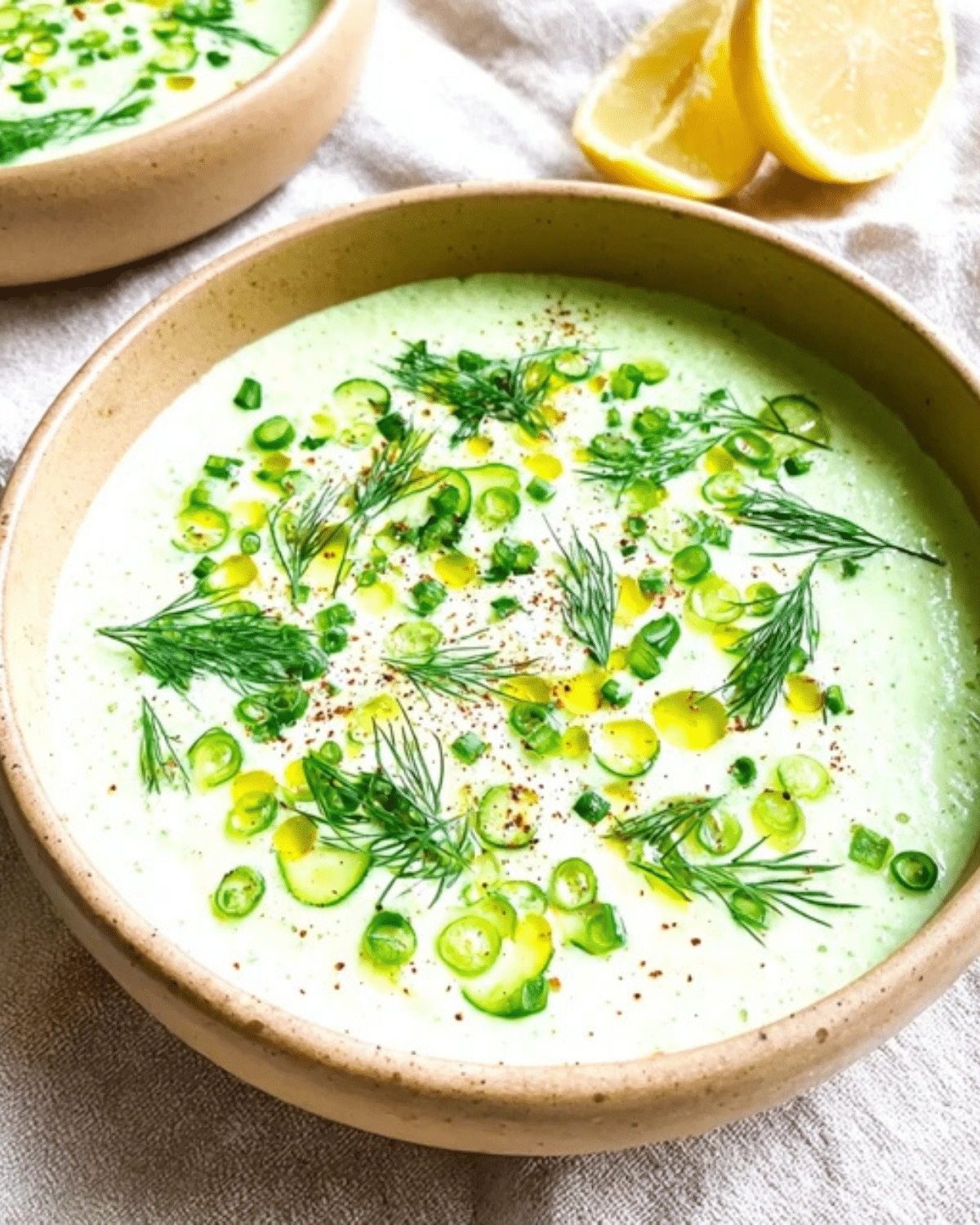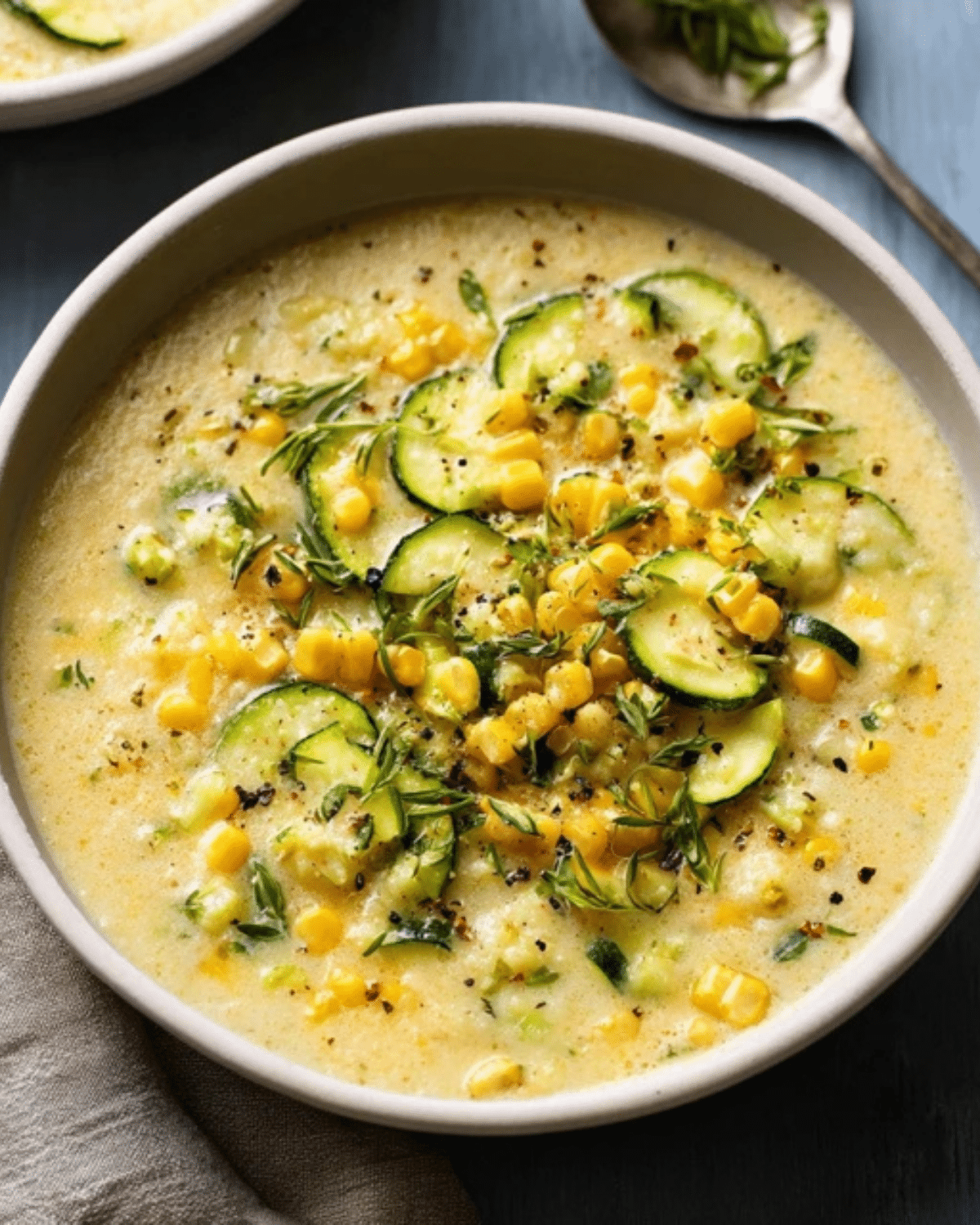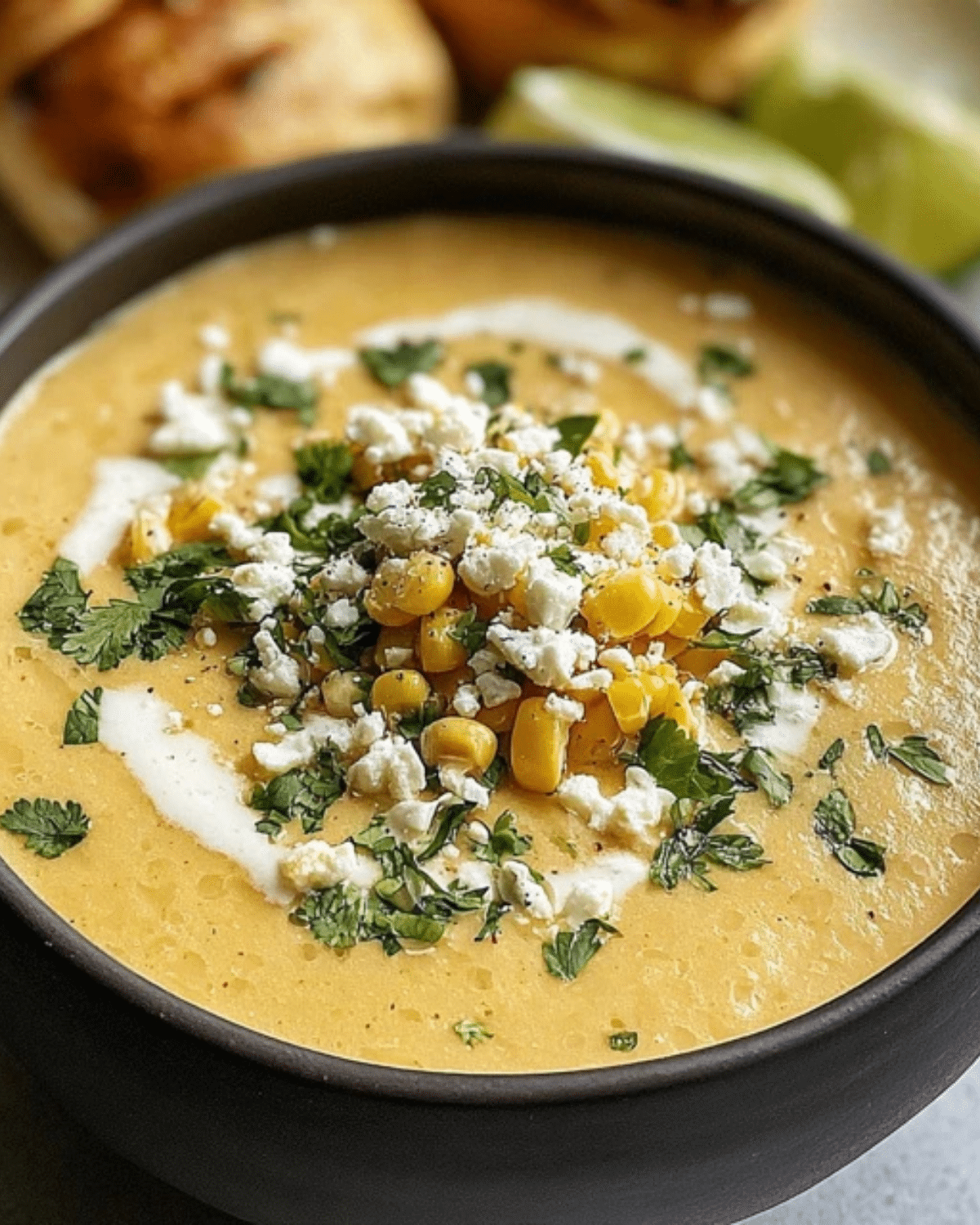
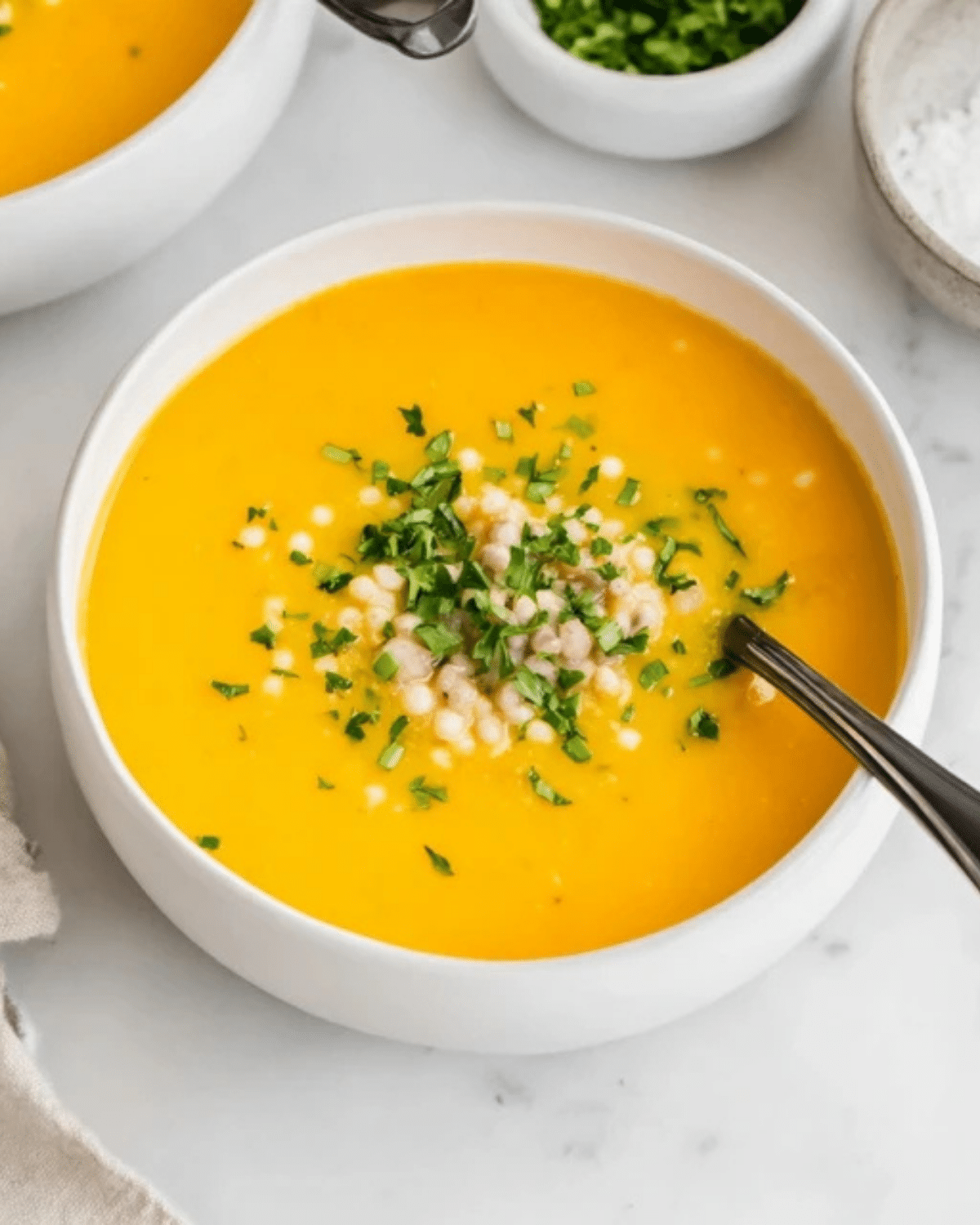
Italian Penicillin Soup is a warm, soothing dish that has long been known for its comforting qualities and nourishing ingredients. Often made with tiny pastina pasta, simple broth, vegetables, and herbs, this classic Italian-style soup is loved for its gentle flavor and restorative feel. Because it is light yet satisfying, many people enjoy Italian penicillin soup when they want a comforting meal that is easy to digest and full of warmth.
The nickname “Italian penicillin” comes from the way this soup makes people feel better when they are tired, cold, or simply craving a cozy homemade dish. While it is not medicine, the combination of warm broth, small pasta, and aromatic vegetables creates a comforting bowl that many families rely on during colder seasons.
Another reason Italian penicillin soup is so popular is its simplicity. The recipe uses everyday ingredients that are often already available in the kitchen. Despite its simplicity, the soup delivers deep flavor and a soft, soothing texture that makes it a favorite for both children and adults.
In this complete guide, you will learn how to prepare Italian penicillin soup from scratch. We will explore the ingredients, cooking steps, useful tips, and variations so you can create a perfect bowl of pastina soup whenever you need a comforting meal.
JUMP TO
Table of Contents
What Makes Italian Penicillin Soup So Special
Italian penicillin soup stands out because of its gentle simplicity and nourishing ingredients. Unlike heavy soups filled with many components, this dish focuses on a few carefully chosen ingredients that work together to create warmth and comfort.
The base of the soup is a flavorful broth that provides hydration and warmth. Tiny pasta called pastina adds softness and substance, while vegetables contribute natural sweetness and depth.
Because the ingredients are light and balanced, the soup feels soothing rather than heavy. This is why many families turn to Italian penicillin soup when they want something comforting yet easy on the stomach.
Why Pastina Is the Heart of the Soup
Pastina is a very small type of pasta often used in Italian cooking. The name itself means “little pasta,” and it usually appears in shapes such as tiny stars or small grains.
Because pastina cooks quickly and absorbs broth beautifully, it is ideal for soups. When cooked in broth, it becomes soft and tender, creating a texture that feels comforting and gentle.
Pastina also helps thicken the soup slightly, making it feel richer without adding heavy ingredients.
Here is a quick overview of why pastina works perfectly in Italian penicillin soup.
| Ingredient | Role in the Soup |
|---|---|
| Pastina pasta | Adds texture and body |
| Broth | Creates the warming base |
| Onion | Builds flavor depth |
| Garlic | Adds aroma |
| Herbs | Provide fresh flavor |
Together, these ingredients create a soup that feels simple yet deeply satisfying.
The Comforting Nature of Broth-Based Soups
Broth-based soups are often considered some of the most comforting meals. Because they are warm, hydrating, and easy to digest, they are ideal when someone wants a soothing dish.
Italian penicillin soup follows this tradition by focusing on a flavorful broth combined with gentle ingredients. The broth carries the aroma of vegetables and herbs, making each spoonful warm and comforting.
Another advantage of broth-based soups is that they can be prepared quickly. With only a few ingredients and simple cooking steps, you can create a nourishing meal in less than an hour.
Ingredients That Create the Best Italian Penicillin Soup
The beauty of Italian penicillin soup lies in its simplicity. Each ingredient plays an important role in building flavor and texture.

Choosing fresh ingredients whenever possible will help produce the best result.
Main Ingredients
Below are the primary ingredients used to make Italian penicillin soup.
| Ingredient | Purpose |
|---|---|
| Pastina pasta | Provides soft texture |
| Vegetable broth | Creates flavorful base |
| Onion | Adds savory depth |
| Garlic | Enhances aroma |
| Olive oil | Used for sautéing |
| Carrot | Adds natural sweetness |
| Celery | Provides subtle flavor |
| Salt and pepper | Balance the seasoning |
These ingredients combine to create a light yet comforting soup.
Optional Ingredients for Extra Flavor
While the basic recipe is delicious, additional ingredients can add even more depth and freshness.
Some optional additions include:
• Fresh parsley
• Grated cheese
• Lemon juice for brightness
• Fresh basil
• Black pepper
These toppings enhance both the flavor and appearance of the soup.
Ingredient Substitutions
Italian penicillin soup is flexible, allowing you to adapt the recipe based on what is available.
| Original Ingredient | Substitute |
|---|---|
| Pastina | Orzo or small pasta |
| Vegetable broth | Chicken broth |
| Olive oil | Butter |
| Parsley | Basil |
These substitutions help keep the soup easy to prepare with common kitchen ingredients.
Step-by-Step Guide to Making Italian Penicillin Soup
Preparing Italian penicillin soup is straightforward and requires only a few simple steps. By following this method, you can create a warm and comforting soup in about thirty minutes.
Step 1 Prepare the Vegetables
Begin by chopping the onion, carrot, and celery into small pieces. Mince the garlic so it is ready to cook.
Preparing the vegetables ahead of time makes the cooking process much easier.
Step 2 Sauté the Aromatics
Heat olive oil in a large pot over medium heat. Add the chopped onion and cook for several minutes until it becomes soft and slightly translucent.
Next, add the carrot and celery and continue cooking until the vegetables begin to soften.
Finally, add the minced garlic and cook for another minute while stirring.
This step builds the flavor base of the soup.
Step 3 Add the Broth
Pour the vegetable broth into the pot and bring the mixture to a gentle simmer.
Allow the broth and vegetables to cook together for about ten minutes. This step helps the flavors blend and develop depth.
Step 4 Cook the Pastina
Add the pastina pasta directly into the simmering broth.
Cook according to the pasta package instructions, usually around five to seven minutes. Stir occasionally so the pasta does not stick together.
As the pastina cooks, it absorbs the broth and creates a slightly thicker texture.
Step 5 Season the Soup
Once the pasta is tender, season the soup with salt and black pepper.
At this stage, you can also add fresh herbs or a squeeze of lemon juice for extra brightness.
The soup should now have a comforting aroma and a soft, warm texture.
Tips for the Best Italian Penicillin Soup
Although this recipe is simple, a few helpful tips can make the soup even better.
Use Good Quality Broth
Because the broth forms the base of the soup, choosing a flavorful broth will greatly improve the overall taste.
Cut Vegetables Small
Small pieces of vegetables cook more quickly and blend nicely with the tiny pasta.
Stir the Pasta Often
Pastina cooks quickly and can stick together. Stirring occasionally keeps the texture smooth.
Adjust the Thickness
If the soup becomes too thick, simply add more broth. If it seems too thin, let it simmer a little longer.
These small adjustments help create the perfect consistency.
Serving Ideas for Italian Penicillin Soup
Italian penicillin soup can be enjoyed on its own or served alongside other dishes.
Because the soup is light and comforting, it pairs well with many simple sides.
Popular Side Dishes
Some excellent pairings include:
• Warm crusty bread
• Fresh green salad
• Roasted vegetables
• Rice dishes
• Grilled chicken
These sides help create a complete and satisfying meal.
Flavor Variations
Once you become familiar with the basic recipe, you can experiment with variations.
Herb version
Add fresh basil, thyme, or oregano for a fragrant flavor.
Extra vegetable version
Include spinach or zucchini for additional nutrition.
Creamy version
Stir in a small amount of cream to create a richer texture.
These variations allow you to customize Italian penicillin soup based on your preferences.
Storage and Reheating Tips
Italian penicillin soup stores well and can easily be prepared ahead of time.
Refrigeration
Allow the soup to cool completely before storing it in an airtight container.
It can stay fresh in the refrigerator for about three to four days.
Freezing
Although the soup can be frozen, the pasta may soften during storage. For best results, freeze the broth and vegetables separately and add fresh pasta when reheating.
Reheating
To reheat the soup, warm it gently on the stovetop over medium heat.
If the soup thickens too much, add extra broth while reheating.
Frequently Asked Questions About Italian Penicillin Soup
Why is it called Italian penicillin soup?
The name comes from the comforting and soothing feeling the soup provides. Many people enjoy it when they want a warm and nourishing meal.
What is pastina?
Pastina is a very small pasta commonly used in Italian soups. It cooks quickly and creates a soft, comforting texture.
Can other pasta be used?
Yes, other small pasta shapes like orzo or tiny shells can work well in this soup.
Is this soup heavy?
No, Italian penicillin soup is light and easy to digest while still being satisfying.
Conclusion
Italian penicillin soup is a comforting and nourishing dish that celebrates simple ingredients and gentle flavors. With its warm broth, tender pastina, and aromatic vegetables, the soup delivers both comfort and satisfaction in every bowl.
Because the recipe is quick and easy to prepare, it is perfect for busy days when you want something homemade and soothing. The soft texture and mild flavors make it enjoyable for people of all ages.
Once you try Italian penicillin soup, it may become one of your favorite comfort meals. Its simplicity, warmth, and delicious flavor make it a timeless recipe that continues to bring comfort to many kitchens.
PrintItalian Penicillin Soup Easy Homemade Pastina Soup

Italian Penicillin Soup is a warm and comforting pastina soup made with tiny pasta, flavorful broth, and simple vegetables. This easy homemade Italian soup is soothing, nourishing, and perfect for a cozy meal when you want something light yet satisfying.
- Prep Time: 10 minutes
- Cook Time: 20 minutes
- Total Time: 30 minutes
- Yield: 4 servings 1x
- Category: Soup
Ingredients
- 3/4 cup pastina pasta
- 6 cups vegetable broth
- 1 tablespoon olive oil
- 1 small onion, finely chopped
- 1 medium carrot, finely diced
- 1 celery stalk, finely diced
- 2 cloves garlic, minced
- 1/2 teaspoon salt (or to taste)
- 1/4 teaspoon black pepper
- 2 tablespoons fresh parsley, chopped (optional)
- 1 tablespoon lemon juice (optional)
- 1/4 cup grated cheese for garnish (optional)
Instructions
- Prepare the vegetables by finely chopping the onion, carrot, celery, and garlic.
- Heat olive oil in a large pot over medium heat.
- Add the chopped onion and cook for about 3–4 minutes until soft and translucent.
- Add the diced carrot and celery and cook for another 4–5 minutes while stirring occasionally.
- Add the minced garlic and cook for 1 minute until fragrant.
- Pour in the vegetable broth and bring the mixture to a gentle simmer.
- Allow the broth and vegetables to cook together for about 10 minutes to develop flavor.
- Add the pastina pasta and cook according to the package instructions, usually 5–7 minutes.
- Stir occasionally so the pasta cooks evenly and does not stick.
- Season the soup with salt and black pepper to taste.
- Stir in lemon juice and fresh parsley if desired.
- Serve warm and garnish with grated cheese if preferred.
Notes
- Pastina cooks quickly, so keep an eye on it to avoid overcooking.
- If the soup becomes too thick, add additional broth while reheating.
- Small pasta shapes like orzo or tiny shells can be used instead of pastina.
- Fresh herbs such as basil or thyme can add extra flavor.
- Store leftovers in an airtight container in the refrigerator for up to 4 days.
- For best results when freezing, freeze the broth and vegetables separately and cook fresh pasta when reheating.
Nutrition
- Serving Size: 1 bowl
- Calories: 190 kcal
- Sugar: 4 g
- Sodium: 520 mg
- Fat: 6 g
- Saturated Fat: 1.5 g
- Unsaturated Fat: 4 g
- Trans Fat: 0 g
- Carbohydrates: 28 g
- Fiber: 3 g
- Protein: 6 g
- Cholesterol: 5 mg