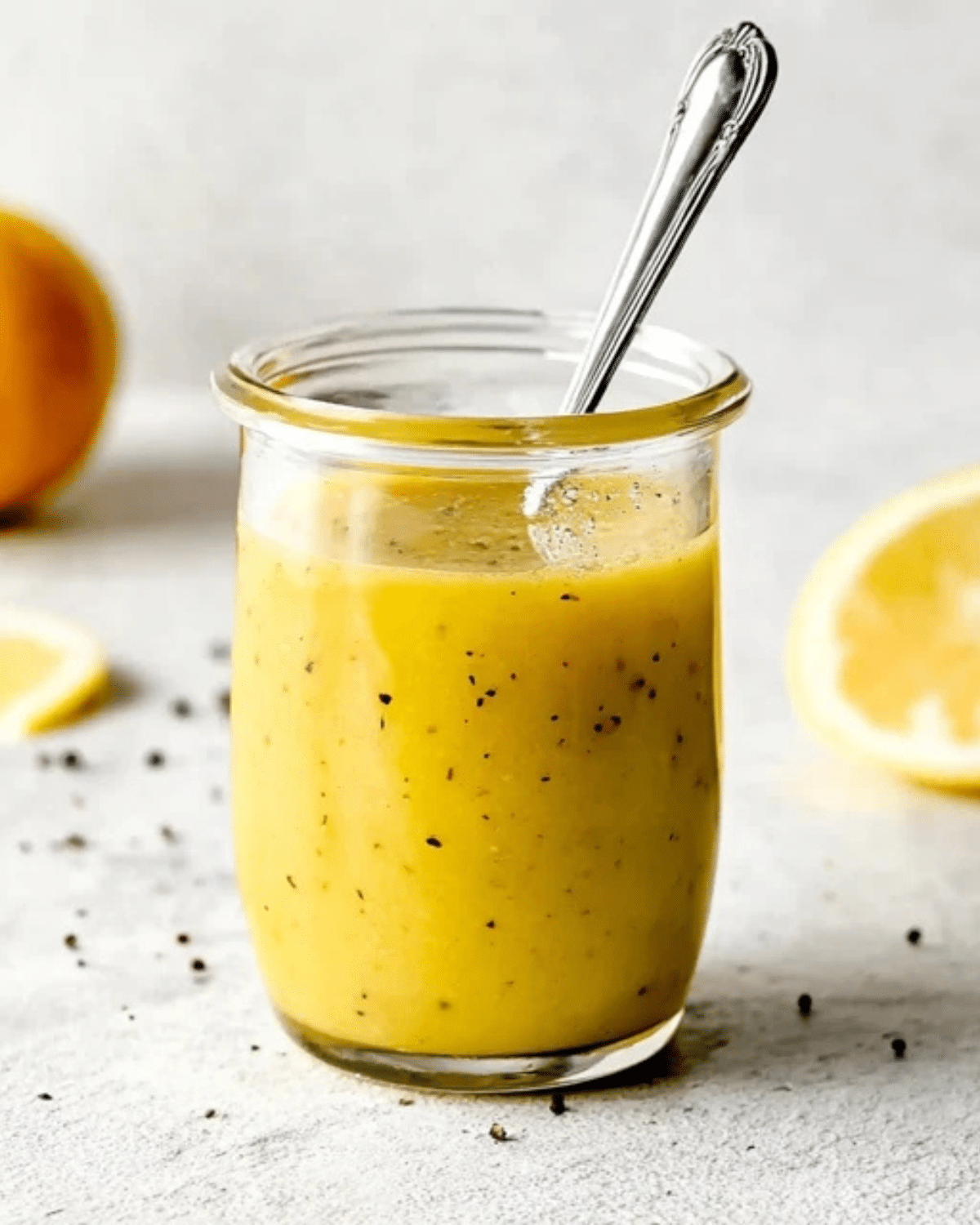
A lemon vinaigrette dressing recipe is one of those kitchen essentials that instantly upgrades salads, vegetables, grains, and even proteins. It’s light yet flavorful, tangy without being harsh, and incredibly easy to make at home. Unlike store-bought dressings that often hide sugar and preservatives, a homemade lemon vinaigrette uses simple ingredients you likely already have. This article walks you through everything you need to know, from understanding what makes a great vinaigrette to mastering the technique, exploring variations, avoiding common mistakes, and answering the most common questions people ask online.
If you’re looking for a reliable, everyday lemon vinaigrette dressing recipe that tastes fresh and balanced every time, this guide has you covered.
JUMP TO
Table of Contents
What Is Lemon Vinaigrette Dressing
Lemon vinaigrette is a classic salad dressing made by emulsifying fresh lemon juice with oil and seasonings. The bright acidity of lemon replaces vinegar, giving the dressing a lighter, fresher flavor profile. It’s commonly used on green salads, pasta salads, roasted vegetables, and grain bowls.
Why Lemon Vinaigrette Is So Popular
This dressing is popular because it’s versatile and clean-tasting. Lemon adds brightness without overpowering other ingredients, which makes it ideal for simple salads as well as more complex dishes. It also pairs well with Mediterranean-style meals, seafood, and grilled vegetables.
Lemon Juice vs Vinegar in Vinaigrettes
Traditional vinaigrettes use vinegar, but lemon juice offers a softer acidity. While vinegar can sometimes feel sharp, lemon juice provides a natural citrus tang that feels refreshing. This is why many people prefer a lemon-based dressing for lighter meals or summer dishes.
Ingredients for a Lemon Vinaigrette Dressing Recipe
One of the biggest advantages of this dressing is its short ingredient list. Each ingredient plays a clear role in flavor and texture.
Fresh Lemon Juice Is Essential
Freshly squeezed lemon juice is the foundation of any good lemon vinaigrette. Bottled lemon juice lacks the brightness and aroma of fresh lemons. Rolling the lemon on the counter before squeezing helps release more juice.
Choosing the Right Oil
Extra virgin olive oil is the most common choice because it adds richness and depth. Its slightly fruity flavor balances the acidity of the lemon. If you prefer a more neutral taste, avocado oil or light olive oil also work well.
Mustard for Emulsification
Dijon mustard helps bind the oil and lemon juice together, creating a smooth texture. It also adds a subtle tang that enhances the overall flavor without standing out too much.
Seasonings That Bring Balance
Salt and black pepper are essential. Garlic, honey, or maple syrup are optional additions that help balance acidity. A touch of sweetness can round out the sharpness of the lemon without making the dressing sweet.
Lemon Vinaigrette Dressing Recipe Step by Step
This lemon vinaigrette dressing recipe comes together in minutes and requires no special equipment.
Step 1: Mix the Acid and Seasonings
Start by adding fresh lemon juice, Dijon mustard, salt, and pepper to a small bowl or jar. Whisk or shake until combined. This step ensures the seasonings dissolve evenly.
Step 2: Slowly Add the Oil
While whisking continuously, slowly drizzle in the olive oil. This gradual process helps the dressing emulsify, creating a smooth and cohesive texture rather than separating.

Step 3: Taste and Adjust
Taste the dressing and adjust as needed. Add more lemon juice for brightness, oil for richness, or a small amount of honey if the dressing feels too sharp.
Step 4: Let It Rest
Letting the dressing sit for a few minutes allows the flavors to meld. This short rest improves balance and depth.
Ideal Ratios for Lemon Vinaigrette
Understanding ratios helps you customize the dressing without memorizing exact measurements.
Classic Lemon Vinaigrette Ratio
A common ratio is one part lemon juice to three parts oil. This creates a balanced dressing that isn’t overly acidic.
Adjusting for Personal Taste
If you prefer a tangier dressing, increase the lemon juice slightly. For a richer dressing, add more oil. The beauty of a lemon vinaigrette dressing recipe is its flexibility.
Best Uses for Lemon Vinaigrette Dressing
This dressing goes far beyond leafy greens.
Salads and Greens
Lemon vinaigrette pairs beautifully with arugula, spinach, romaine, and mixed greens. Its brightness enhances fresh vegetables without masking their flavor.
Roasted Vegetables
Drizzling lemon vinaigrette over roasted vegetables adds freshness and contrast to their caramelized edges.
Grain Bowls and Pasta Salads
This dressing works well with quinoa, couscous, farro, and pasta salads, especially when combined with herbs and vegetables.
Seafood and Chicken
Lemon vinaigrette can double as a light marinade or finishing sauce for grilled fish or chicken, adding moisture and flavor.
Variations of Lemon Vinaigrette Dressing Recipe
Once you master the basic version, experimenting becomes easy.
Honey Lemon Vinaigrette
Adding a teaspoon of honey creates a slightly sweet version that pairs well with bitter greens like kale or radicchio.
Garlic Lemon Vinaigrette
Fresh minced garlic adds depth and savory flavor. Let the dressing sit briefly to mellow the garlic bite.
Herb Lemon Vinaigrette
Fresh herbs like parsley, basil, or dill bring freshness and complexity. Chop them finely and whisk into the dressing just before serving.
Creamy Lemon Vinaigrette
Adding Greek yogurt or mayonnaise transforms the dressing into a creamy version while keeping the lemon flavor front and center.
Common Mistakes to Avoid
Even simple recipes can go wrong without a few key tips.
Using Too Much Lemon Juice
Too much acid can overpower the dressing. Stick close to the recommended ratio and adjust gradually.
Skipping Emulsification
Dumping all ingredients together without whisking can lead to separation. Taking time to emulsify improves texture and consistency.
Forgetting to Taste
Always taste before serving. Small adjustments make a big difference.
How to Store Lemon Vinaigrette Dressing
Proper storage keeps your dressing fresh and flavorful.
Refrigerator Storage Tips
Store the dressing in a sealed jar in the refrigerator for up to one week. Shake or whisk before using, as natural separation may occur.
Bringing It Back to Room Temperature
Olive oil may solidify when cold. Let the dressing sit at room temperature for a few minutes before serving.
Is Lemon Vinaigrette Healthy
Many people choose lemon vinaigrette because it aligns with healthier eating habits.
Nutritional Benefits
Lemon juice provides vitamin C, while olive oil offers healthy fats. This dressing is naturally low in sugar and free from preservatives when made at home.
Suitable Diets
A basic lemon vinaigrette fits vegetarian, vegan, low-carb, and Mediterranean-style diets.
Frequently Asked Questions About Lemon Vinaigrette Dressing Recipe
Can I make lemon vinaigrette ahead of time?
Yes, it can be made several days in advance and stored in the refrigerator.
Can I use bottled lemon juice?
Fresh lemon juice is recommended for best flavor, but bottled can work in a pinch.
Why does my dressing separate?
Natural separation happens when oil and acid sit. Shake or whisk before using.
Can I freeze lemon vinaigrette?
Freezing isn’t recommended, as it affects texture and flavor.
Conclusion
A lemon vinaigrette dressing recipe is a must-have in any kitchen. It’s quick to make, endlessly versatile, and far more flavorful than store-bought alternatives. By understanding the ingredients, ratios, and techniques, you can create a dressing that suits your taste and elevates almost any dish. Once you start making lemon vinaigrette at home, it’s hard to go back.
PrintLemon Vinaigrette Dressing Recipe That’s Fresh and Easy

A fresh and zesty lemon vinaigrette dressing recipe made with simple pantry ingredients, perfect for salads, vegetables, grain bowls, and light marinades.
- Prep Time: 5 minutes
- Cook Time: 0 minutes
- Total Time: 5 minutes
- Yield: 1 cup
- Category: Salad Dressing
- Method: Whisking
- Cuisine: Mediterranean
- Diet: Vegan
Ingredients
- 1/4 cup fresh lemon juice
- 1/2 cup extra virgin olive oil
- 1 teaspoon Dijon mustard
- 1 small garlic clove, finely minced
- 1/2 teaspoon salt
- 1/4 teaspoon black pepper
- 1 teaspoon honey or maple syrup (optional)
Instructions
- Add the lemon juice, Dijon mustard, minced garlic, salt, and black pepper to a small bowl or jar.
- Whisk or shake until the ingredients are well combined.
- Slowly drizzle in the olive oil while whisking continuously to emulsify the dressing.
- Taste and adjust seasoning with more salt, lemon juice, or sweetener if needed.
- Let the dressing rest for a few minutes before serving to allow flavors to blend.
Notes
- Fresh lemon juice gives the best flavor compared to bottled juice.
- Shake or whisk before each use as natural separation may occur.
- Add fresh herbs like parsley or basil for extra flavor.
- Store leftovers in the refrigerator for up to one week.