
Fresh, tangy, and endlessly versatile—lemon vinaigrette salad dressing is a must-have recipe for anyone who wants to elevate their salads without relying on store-bought bottles packed with preservatives. With just a few simple ingredients and a blender or whisk, you can whip up this citrusy dressing in minutes. In this article, we’ll explore what makes lemon vinaigrette so special, the ingredients you need, expert techniques to perfect the texture, and all the delicious ways to use it. From light leafy greens to hearty roasted vegetables and even pasta salads, this is one dressing you’ll keep on repeat. Don’t miss our guide to festive winter salads that pair beautifully with lemon vinaigrette.
JUMP TO
Table of Contents
Why This Lemon Vinaigrette Salad Dressing is a Must-Try
A Better Alternative to Store-Bought Dressings
Store-bought dressings may be convenient, but they often contain processed oils, added sugars, artificial preservatives, and sodium overload. Homemade lemon vinaigrette is the healthier, tastier alternative. With just fresh lemon juice, quality oils, and seasonings you likely already have in your pantry, you can make a clean-label dressing in less than 10 minutes. The result? A refreshing dressing that’s vibrant in flavor and free from hidden ingredients.
Fresh, Bold, and Versatile Flavor Profile
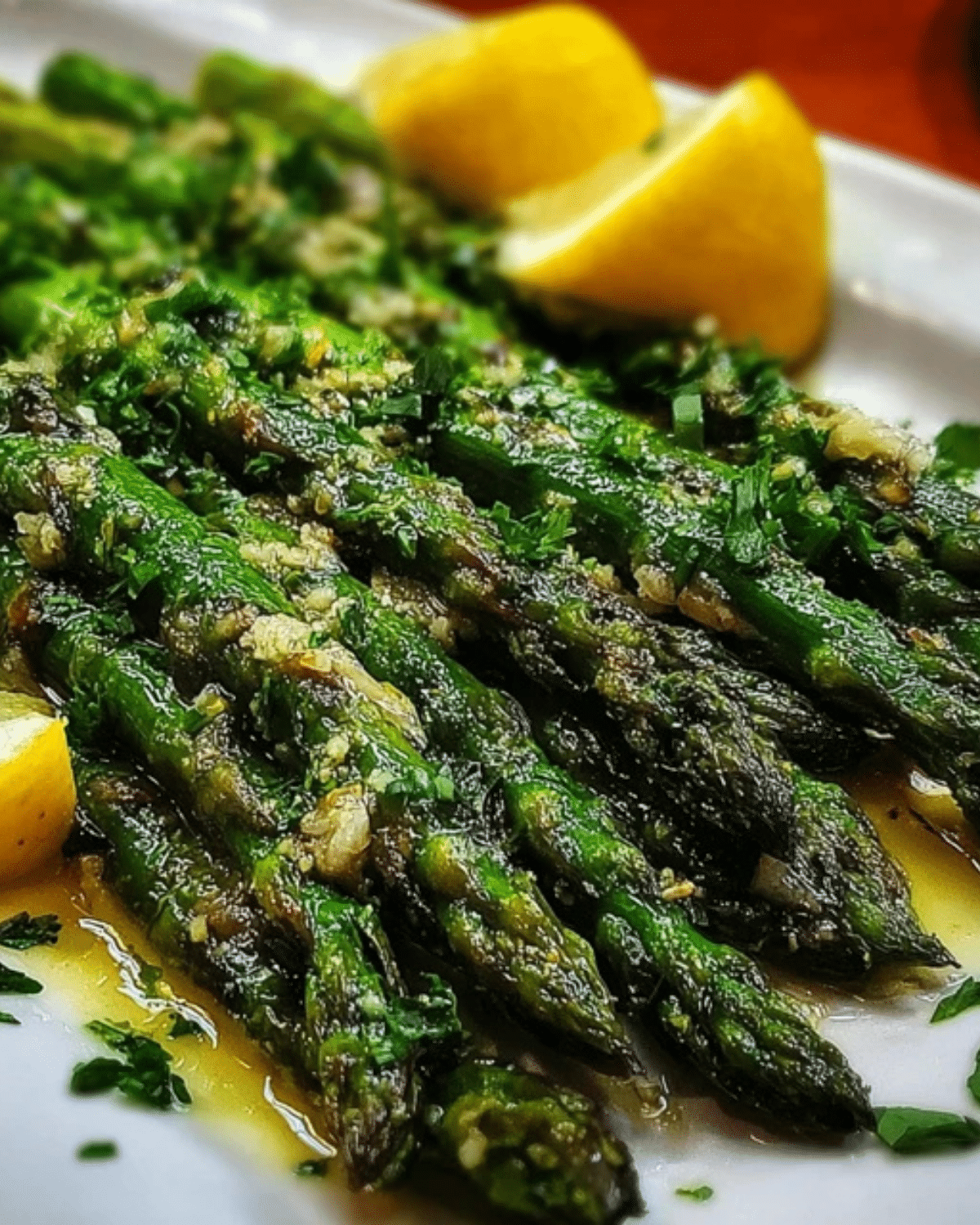
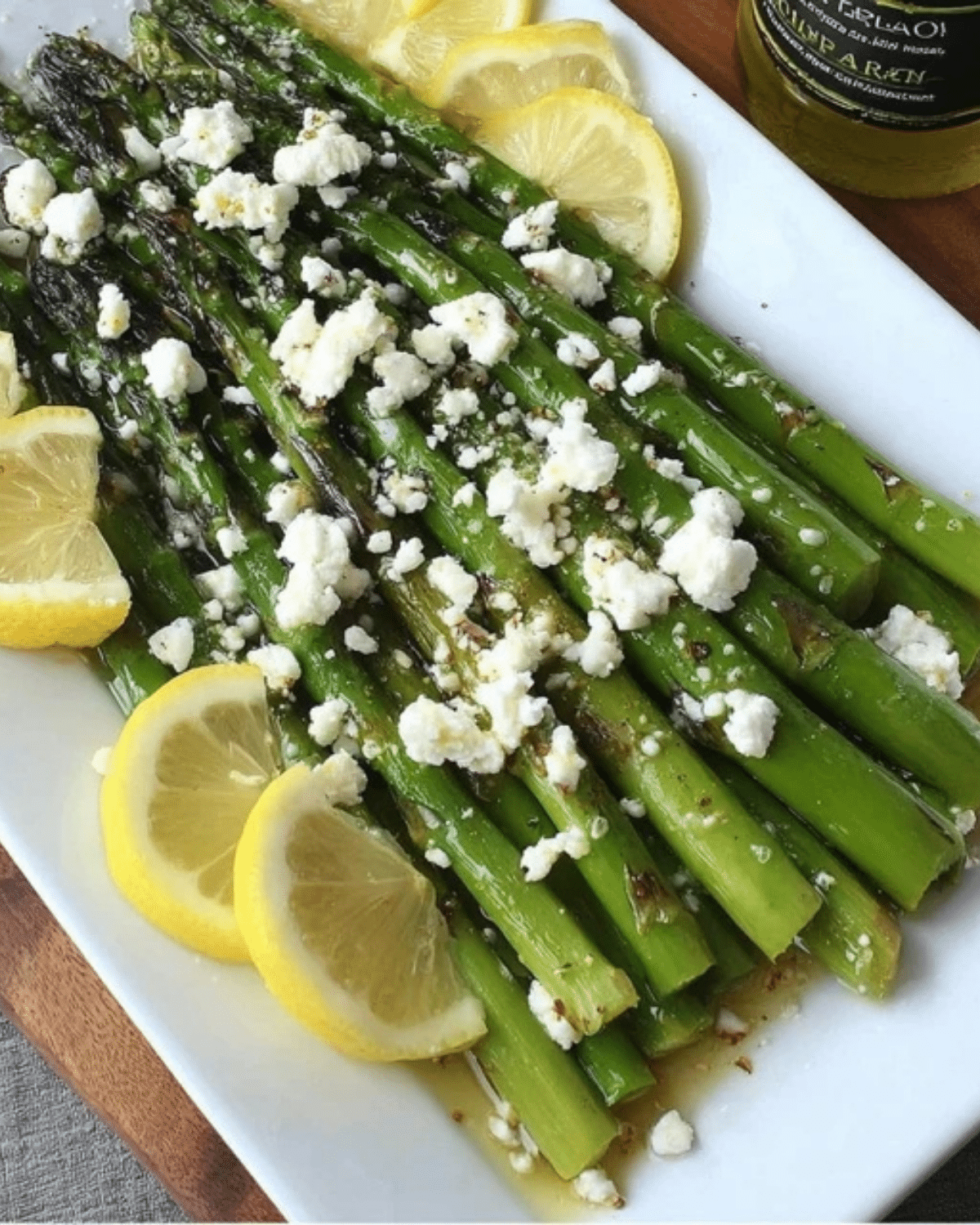
Lemon vinaigrette stands out thanks to its bright, zesty flavor. The acidity of lemon juice cuts through rich ingredients like avocado or cheese, while still complementing delicate greens or crisp veggies. Unlike vinegar-based vinaigrettes, lemon brings a lighter citrus punch that works year-round. Whether you’re tossing it with arugula or drizzling it over grilled asparagus, it adapts beautifully. Looking for inspiration? Try it with this Pickled Beet Salad for a color-packed, tangy delight.
Perfect Pairing for Any Salad
One of the best things about lemon vinaigrette is its universal appeal. It pairs well with virtually any salad combination—think baby spinach and strawberries, mixed greens with goat cheese, or romaine with chickpeas and feta. It even works as a light marinade or finishing sauce for grilled chicken, fish, or roasted vegetables. Discover great ideas like our Asian Chicken Salad that shines even brighter with a touch of lemon vinaigrette.
Looking for something seasonal? Don’t miss our Lemon Potato Salad, where this dressing adds the perfect zing to creamy spuds.
Ingredients Needed for Homemade Lemon Vinaigrette Salad Dressing

Crafting the perfect lemon vinaigrette salad dressing starts with simple, fresh, and high-quality ingredients. This isn’t just about tossing oil and lemon juice together—each component plays a specific role in building a balanced, vibrant dressing that elevates any dish.
Key Ingredients with Tips for Best Quality
The magic of lemon vinaigrette lies in using fresh, unprocessed ingredients. Here’s what you’ll need and how to pick the best versions:
- Fresh Lemon Juice: Always opt for freshly squeezed lemon juice. Bottled varieties often contain preservatives and lack the brightness of real citrus. Use a citrus reamer or even a fork to extract maximum juice.
- Extra Virgin Olive Oil: This oil adds body and a rich base flavor. Choose cold-pressed, high-quality olive oil for the best results. However, it can taste bitter on its own, so it’s often blended with neutral oils.
- Avocado Oil or Canola Oil: To balance the bold flavor of olive oil, use a 50/50 blend with avocado or organic canola oil. This softens the profile without diluting the flavor.
- Shallot: Finely chopped shallot adds a subtle sharpness that complements the lemon beautifully. If shallots aren’t available, red onion can work in a pinch.
- Dijon Mustard: A vinaigrette essential, Dijon acts as a natural emulsifier, helping the oil and lemon juice mix smoothly while adding tang.
- Honey or Agave: A small amount of sweetness is crucial to mellow the acidity. Use honey for classic flavor or agave for a vegan option.
- Salt and Pepper: Don’t overlook these—they bring out the complexity of the other ingredients. Sea salt and freshly cracked black pepper are ideal.
Check out our Homemade Garlic Aioli for another example of simple ingredients delivering bold flavor.
Optional Add-Ins to Customize Your Dressing
Want to give your lemon vinaigrette a twist? Here are a few ways to make it your own:
- Fresh Herbs: Add 1–2 tablespoons of chopped dill, chives, basil, or parsley for a fragrant finish.
- Lemon Zest: A pinch of zest intensifies the lemon flavor without adding more acid.
- Crushed Garlic: One small clove adds depth, especially when paired with Mediterranean or Middle Eastern salads.
- Crumbled Feta or Parmesan: Mix a little into the dressing for creaminess and umami.
- Cracked Red Pepper: Add a spicy kick for bolder salads.
This kind of flexibility makes lemon vinaigrette perfect for dishes like Greek Lemon Chicken Soup or even drizzled over roasted chickpeas.
Ingredient Substitutions and Variations
Don’t have all the ingredients on hand? No problem. Here are some handy swaps:
| Original Ingredient | Suggested Substitute | Effect on Flavor |
|---|---|---|
| Fresh Lemon Juice | White wine vinegar | Less citrusy, more tangy |
| Dijon Mustard | Yellow mustard | Milder, slightly sweeter |
| Avocado Oil | Grapeseed or sunflower oil | Neutral flavor profile |
| Honey | Maple syrup or stevia | Sweeter or sugar-free |
| Shallot | Green onion or garlic | Sharper or spicier |
This dressing also works well with tweaks for specific diets—use agave for vegan versions, or remove mustard for mustard-sensitive eaters.
Love creamy dressings? Don’t miss our Creamy Chicken Noodle Soup, a cozy partner for crisp lemon-dressed salads.
How to Make Lemon Vinaigrette Salad Dressing Like a Pro
Making lemon vinaigrette is one of the quickest and easiest kitchen skills you can master. With the right process, your dressing will be silky, stable, and bursting with flavor—every time. Whether you’re using a blender or just a whisk, a few pro tips make all the difference.
Step-by-Step Instructions for Perfect Emulsification
A great lemon vinaigrette isn’t just about the ingredients—it’s how you blend them. Here’s the foolproof method:
- Combine the Flavor Base
In a mini food processor, blender, or mixing bowl, add the following:- ¼ cup fresh lemon juice
- 2 tablespoons finely chopped shallot
- 2 teaspoons Dijon mustard
- 2 teaspoons honey or agave
- ¾ teaspoon salt
- ½ teaspoon black pepper
Whisk or blend until everything is smooth and combined.
- Slowly Add the Oils
With the base ready, slowly drizzle in:- ¼ cup extra virgin olive oil
- ¼ cup avocado or canola oil
While blending or whisking, go slow. This gradual addition helps create an emulsion, which prevents the dressing from separating.
- Adjust and Store
Taste and adjust salt, sweetness, or acidity if needed. Store in a sealed jar in the fridge for up to 1 week. If it solidifies in the cold, just bring it to room temperature and shake vigorously.
Want to see this technique used in another kitchen favorite? Check out our Coconut Sweet Potato Lentil Soup, which relies on similar flavor layering.
Pro Tips for Texture, Storage, and Shelf Life
- Use an Immersion Blender for Creaminess: For a super smooth finish that holds its texture, use a stick blender. It helps the mustard emulsify the oils beautifully.
- Shake Before Serving: If your dressing separates over time, give it a good shake before using. A mason jar with a tight lid works perfectly.
- Solidified Oil Fix: If refrigerated dressing becomes solid, just leave it on the counter for 15–20 minutes. Need it fast? Place the jar in a bowl of warm water for a few minutes.
- Double the Recipe: It lasts up to a week, so feel free to double the batch for salads, grilled veggies, or pasta dishes throughout the week.
Mistakes to Avoid While Making Vinaigrette
Even simple dressings can go wrong without attention to detail. Here’s what to avoid:
- Using bottled lemon juice: It’s convenient, but lacks the brightness and natural acidity of fresh citrus.
- Skipping the sweetener: Without honey or agave, the dressing can turn out too tart or even bitter.
- Only using olive oil: While it adds great flavor, 100% olive oil can overpower the lemon and even taste bitter. Blend with a neutral oil for balance.
- Not emulsifying properly: Dumping all the oil in at once causes separation. Always drizzle it in gradually while blending or whisking.
Looking for inspiration? Try this dressing with a hearty Winter Salad or over roasted veggies for a bright finish.
Best Ways to Use Lemon Vinaigrette in Everyday Meals
Lemon vinaigrette isn’t just a salad dressing—it’s a kitchen workhorse that brings brightness and balance to a wide range of dishes.
Salads That Shine With Lemon Dressing
The most obvious use is, of course, salads. This vinaigrette enhances both simple greens and complex grain bowls:
- Baby spinach with strawberries and almonds
- Arugula with shaved Parmesan and pine nuts
- Kale and quinoa salad with chickpeas
- Caprese-style tomato and mozzarella
Looking for a creative twist? Don’t miss our Cranberry Orange Sweet Rolls as a brunch side to a lemon vinaigrette salad.
Unexpected Uses Beyond Salad
Lemon vinaigrette also works wonders outside the salad bowl:
- Marinade: Use it to marinate chicken, shrimp, or tofu for 30 minutes before grilling.
- Drizzle for Roasted Veggies: Pour over roasted carrots, broccoli, or Brussels sprouts for a citrusy kick.
- Pasta Salad Dressing: Toss it with cooked pasta, chickpeas, feta, and cherry tomatoes.
- Grain Bowls: Add it to brown rice, avocado, black beans, and roasted sweet potatoes.
Creative Pairings and Presentation Ideas
Serve it in a small carafe on the table for guests to use to taste. Garnish the dish with lemon slices or fresh herbs to signal the flavors ahead.
Want more inspiration? Check out our Creamy Gnocchi Soup with Rosemary and Bacon and balance the richness with a light lemon-dressed salad.
Health Benefits of Lemon Vinaigrette Salad Dressing
This dressing isn’t just delicious—it’s nutritious too.
Lower in Calories Than Creamy Dressings
Most creamy dressings contain mayonnaise or dairy-based ingredients that can be high in calories and saturated fat. Lemon vinaigrette uses heart-healthy oils and skips heavy additives.
Digestive Perks of Lemon and Olive Oil
Lemon juice supports digestion and vitamin C intake, while olive oil contains monounsaturated fats known to support heart health.
Great for Special Diets (Vegan, Keto-Friendly Options)
Swap honey with agave or maple syrup for a vegan option, and use a keto-approved oil blend for low-carb compatibility. This flexibility makes it ideal for nearly every dietary preference.
Frequently Asked Questions About Lemon Vinaigrette
How long does lemon vinaigrette last in the fridge?
Homemade lemon vinaigrette stays fresh in the refrigerator for up to 1 week. If the oil solidifies, leave it at room temperature for 15–20 minutes or warm gently in water and shake well before use.
Why does my vinaigrette separate or taste bitter?
Separation happens when oil and lemon juice aren’t emulsified. Use mustard as an emulsifier and whisk or blend properly. If it tastes bitter, your olive oil may be too strong—try blending it with a neutral oil like avocado or canola.
Can I make this dressing without mustard or sweeteners?
Yes. Mustard helps with emulsification, but you can skip it if needed. Without sweeteners, the dressing will be sharper, so reduce the lemon juice slightly or add a touch of orange juice for balance.
Conclusion: Make Lemon Vinaigrette Your Signature Salad Dressing
If you’re looking for a zesty, light, and endlessly useful homemade dressing, lemon vinaigrette salad dressing is it. It’s fresh, fast, and far more flavorful than anything in a bottle. With just a few pantry staples, you can turn any salad—or even roasted veggies and grilled proteins—into something special. This dressing deserves a permanent place in your weekly rotation. Don’t miss our One Pot Mac Chili—a hearty main dish that pairs surprisingly well with a lemon-dressed side salad.
PrintLemon Vinaigrette Salad Dressing

This zesty lemon vinaigrette salad dressing is a quick, healthy, and versatile homemade recipe perfect for all kinds of salads, marinades, and more. Made with fresh lemon juice, Dijon mustard, and heart-healthy oils, it’s a light alternative to store-bought dressings and ready in just minutes.
- Prep Time: 10 minutes
- Cook Time: 0 minutes
- Total Time: 10 minutes
- Yield: About 3/4 cup (6 servings) 1x
- Category: Salad Dressing
- Method: Blended
- Cuisine: American
- Diet: Vegan
Ingredients
- 1/4 cup fresh lemon juice
- 2 tablespoons chopped shallot
- 2 teaspoons Dijon mustard
- 2 teaspoons agave or honey
- 3/4 teaspoon salt
- 1/2 teaspoon black pepper
- 1/4 cup extra-virgin olive oil
- 1/4 cup avocado oil or organic canola oil
Instructions
- In a blender, immersion blender jar, or bowl, combine lemon juice, chopped shallot, Dijon mustard, agave or honey, salt, and pepper.
- Blend or whisk until the mixture is smooth and well combined.
- Slowly drizzle in the olive oil and avocado (or canola) oil while continuing to blend or whisk to form an emulsion.
- Taste and adjust seasoning if needed.
- Transfer to a jar and refrigerate for up to one week. Shake well before using.
Notes
- Always use freshly squeezed lemon juice for the best flavor.
- If refrigerated dressing solidifies, bring to room temperature or warm in water.
- For a vegan version, use agave instead of honey.
- Add fresh herbs or lemon zest for extra flavor variations.
- Use an immersion blender for the creamiest texture.
Nutrition
- Serving Size: 2 tablespoons
- Calories: 129
- Sugar: 0 g
- Sodium: 231 mg
- Fat: 14 g
- Saturated Fat: 2 g
- Unsaturated Fat: 12 g
- Trans Fat: 0 g
- Carbohydrates: 5 g
- Fiber: 0 g
- Protein: 0 g
- Cholesterol: 0 mg