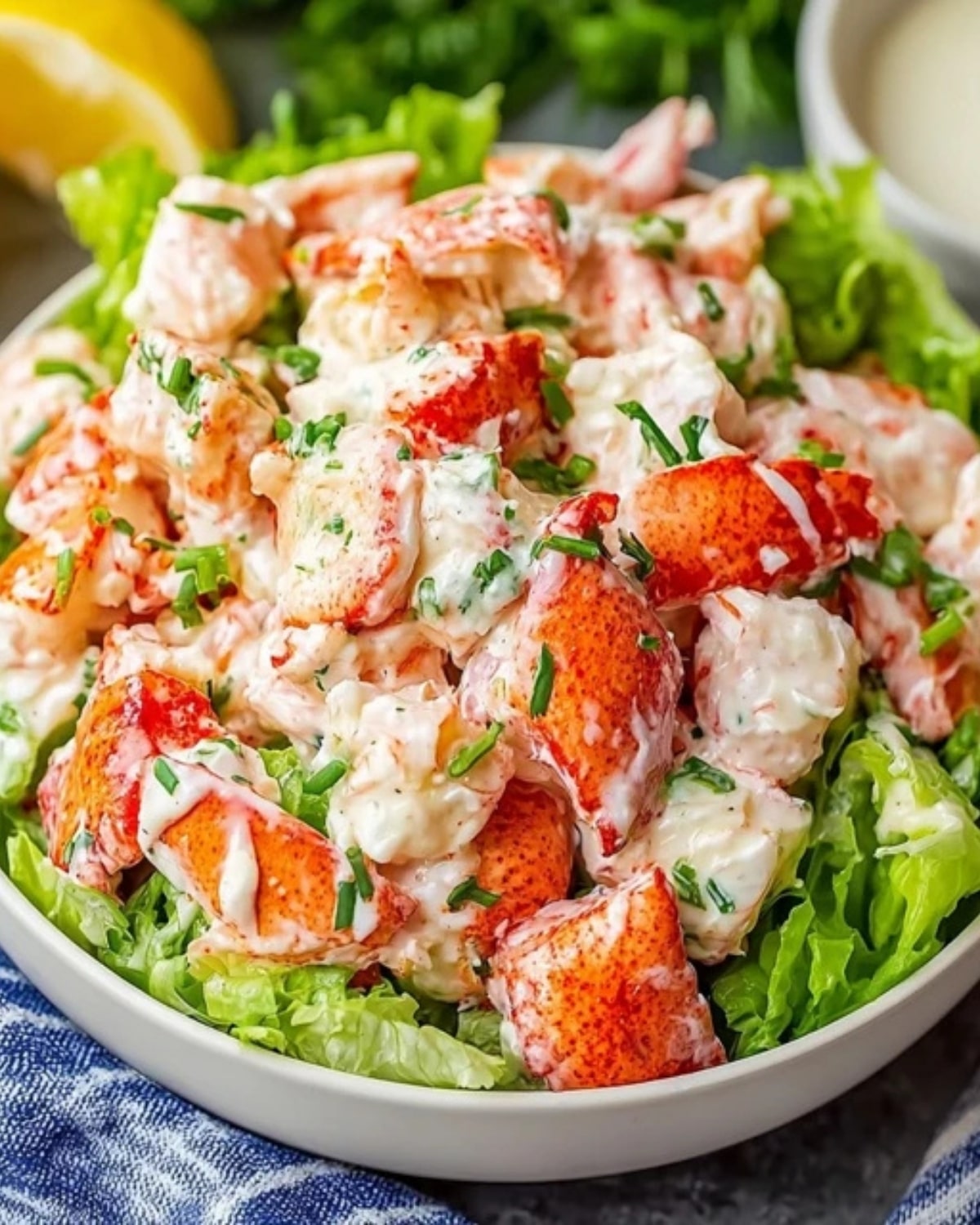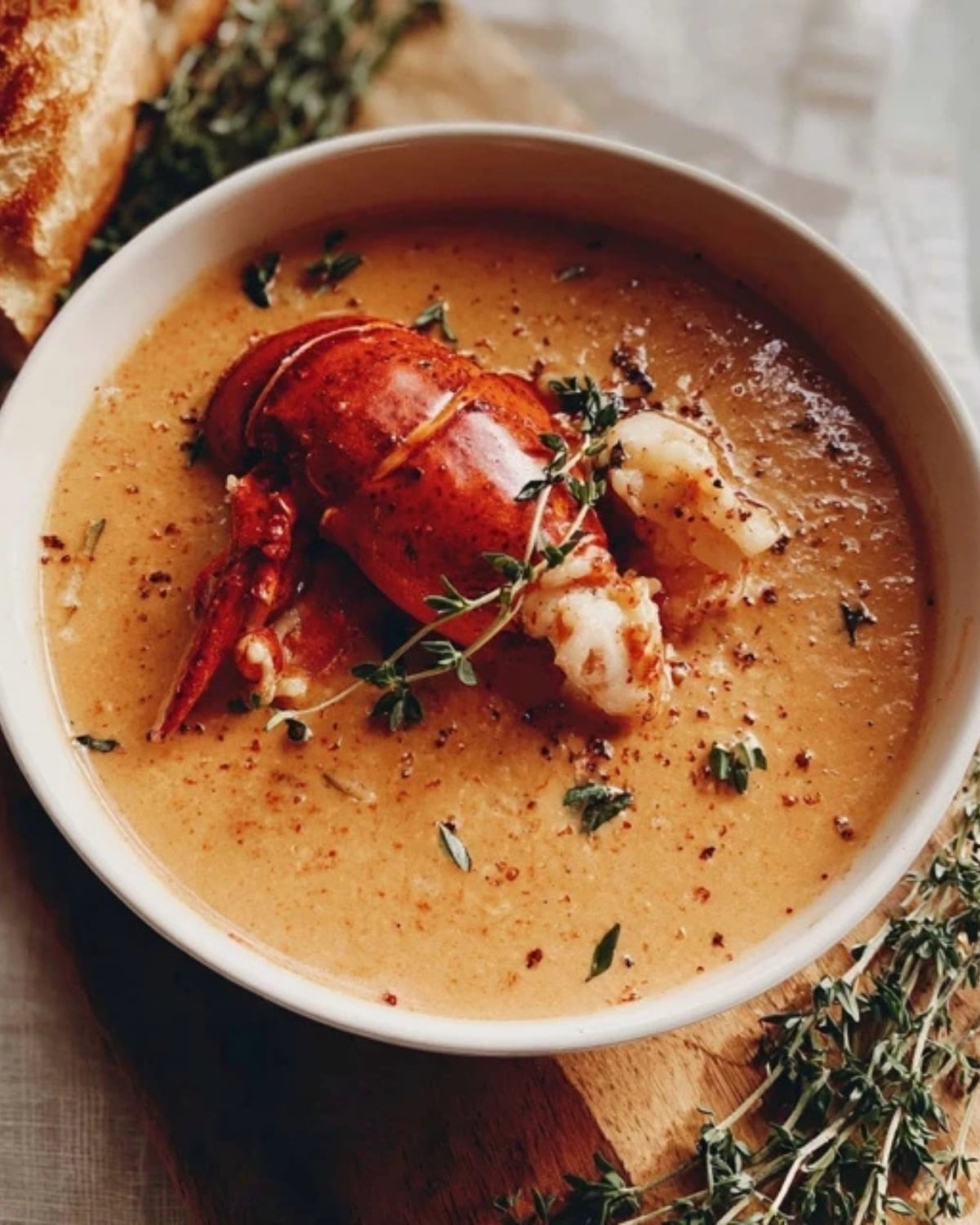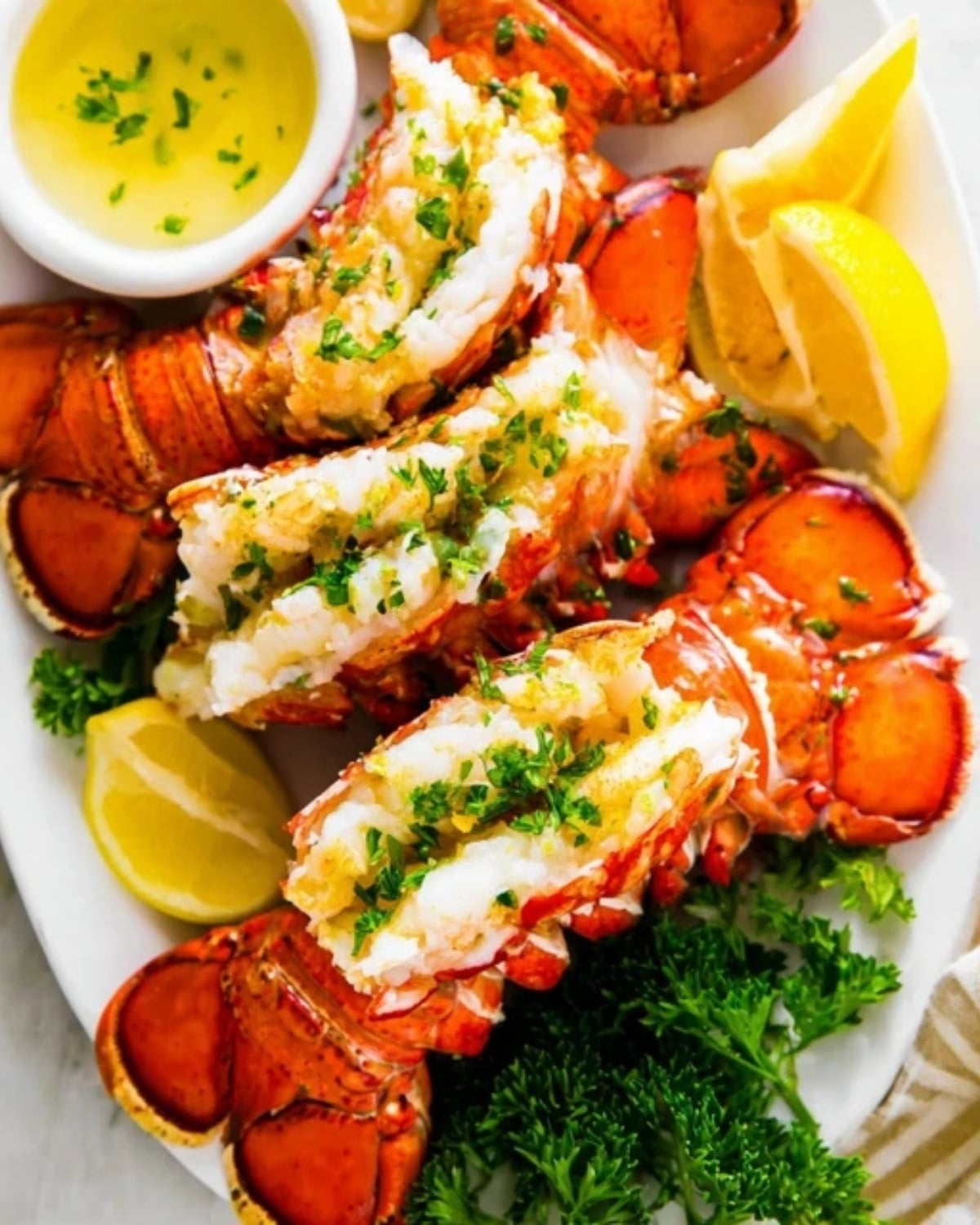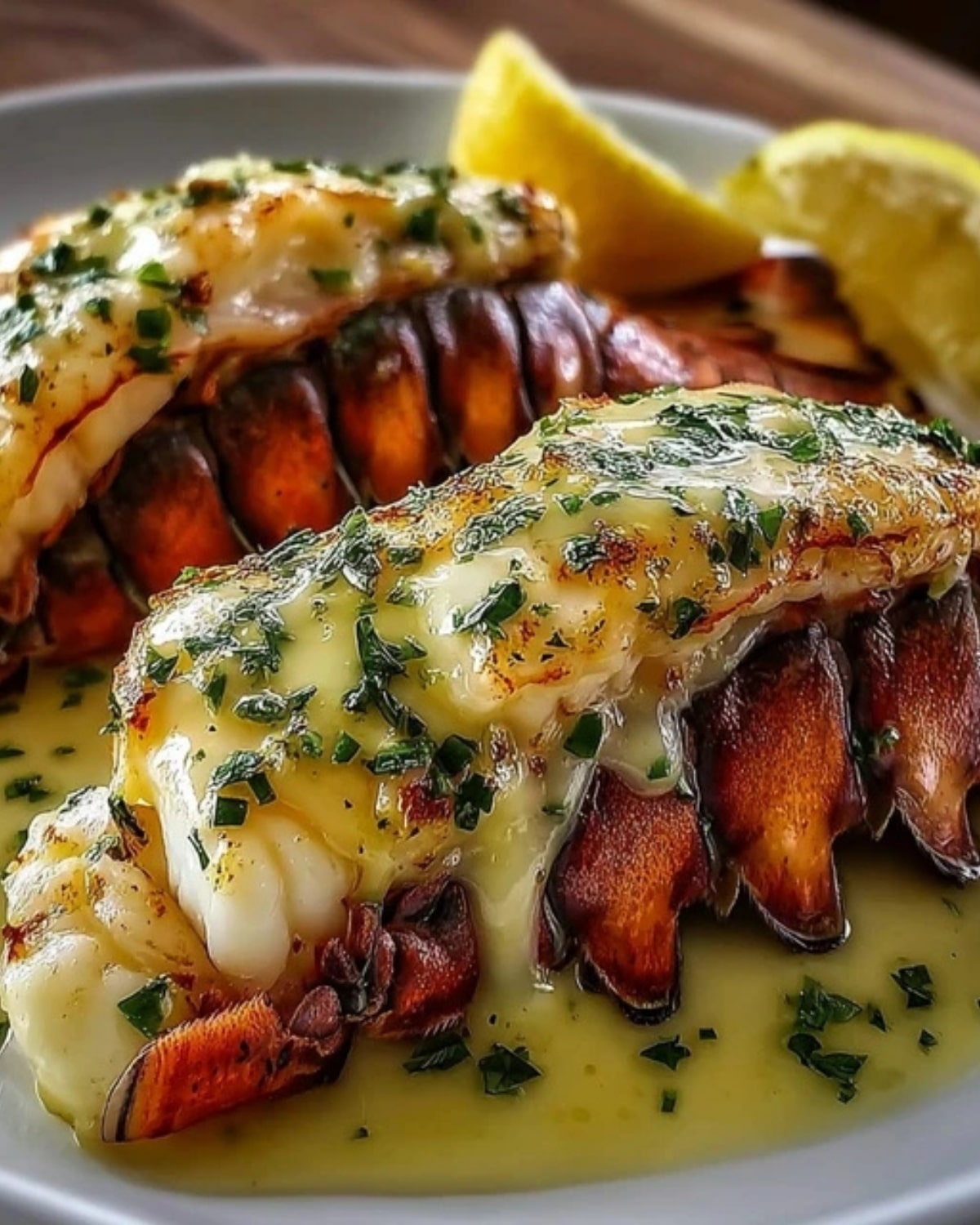
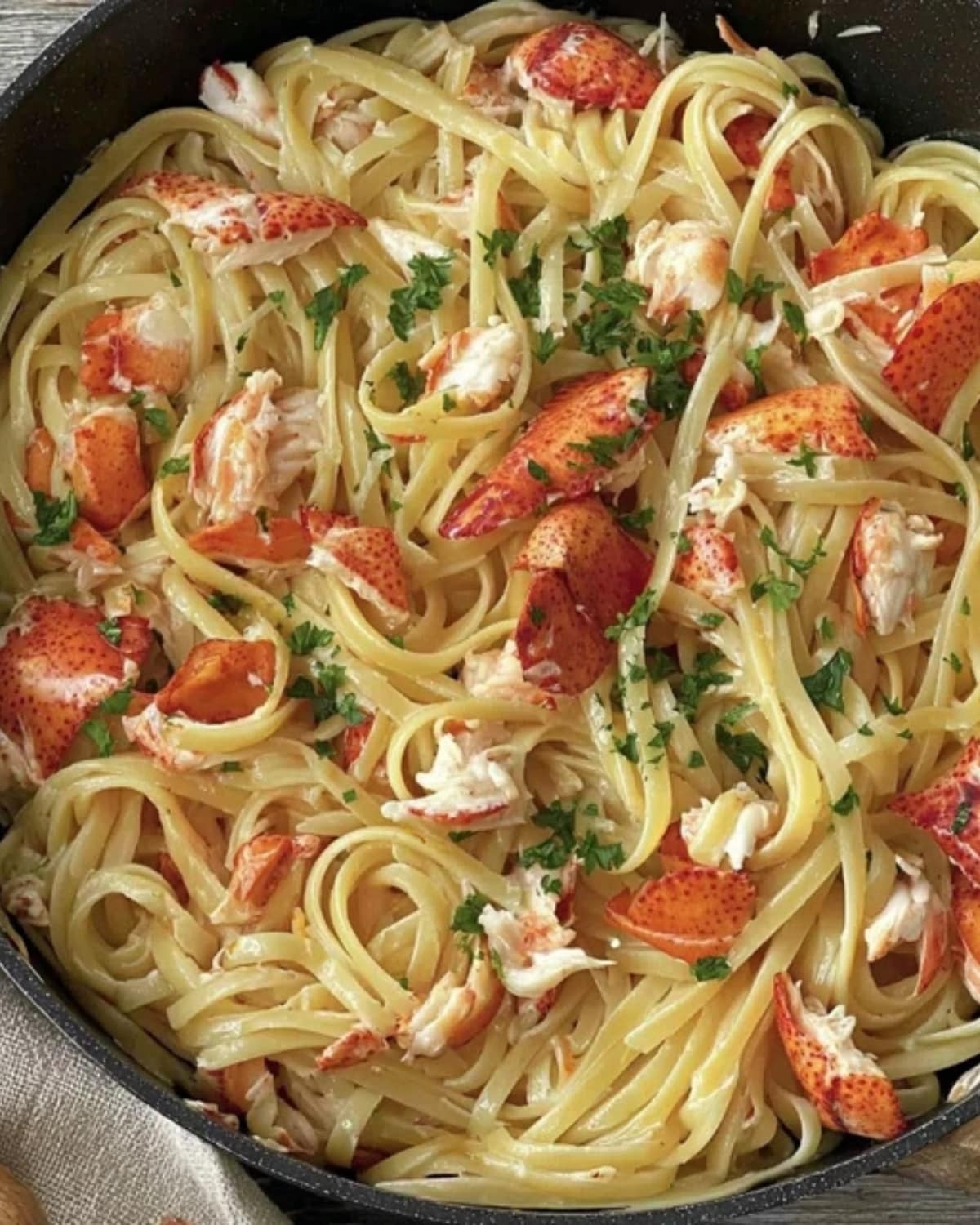
Lobster Pasta is one of the most luxurious seafood dishes you can prepare at home. Combining tender lobster meat with perfectly cooked pasta and a flavorful sauce, this elegant meal brings restaurant-quality taste to your kitchen. Despite its gourmet reputation, making Lobster Pasta is surprisingly simple when you use fresh ingredients and follow the right cooking steps.
This dish highlights the delicate sweetness of lobster while pairing it with pasta and a rich sauce. Whether you choose a creamy garlic butter sauce or a light tomato-based sauce, lobster adds incredible depth of flavor. Because of its elegant appearance and delicious taste, lobster pasta is often served for special occasions, romantic dinners, or celebrations.
In this guide, you will learn everything you need to know about making perfect Lobster Pasta, including choosing lobster, cooking pasta correctly, preparing a flavorful sauce, and serving the dish with complementary sides.
JUMP TO
Table of Contents
What Makes Lobster Pasta So Special?
Among seafood pasta dishes, lobster pasta stands out because of its rich flavor and elegant presentation. The sweet, tender lobster meat pairs beautifully with pasta and sauce, creating a balanced and satisfying meal.
The Unique Flavor of Lobster in Pasta
Lobster has a delicate sweetness that works well with both creamy and light sauces. Unlike stronger seafood flavors, lobster remains subtle while still providing richness.
When combined with pasta, lobster adds:
- Sweet and tender seafood flavor
- Rich texture that complements pasta
- Gourmet appeal to simple ingredients
Because lobster is naturally flavorful, the best lobster pasta recipes use simple seasonings that allow the seafood to shine.
Why Lobster Pasta Is Popular in Restaurants
Many restaurants feature lobster pasta as a signature dish. There are several reasons for its popularity.
First, lobster pasta looks impressive when served. The bright red lobster meat contrasts beautifully with pasta and sauce.
Second, the dish feels luxurious without requiring complicated preparation. According to seafood cooking tips shared by Food Network, lobster pairs best with simple sauces that highlight its natural flavor.
Finally, lobster pasta can be customized with different sauces and pasta shapes, making it versatile for many menus.
Types of Lobster Pasta Sauces
Several sauce styles work well with Lobster Pasta. Each creates a slightly different flavor profile.
| Sauce Type | Flavor Profile |
|---|---|
| Cream sauce | Rich and velvety |
| Tomato sauce | Bright and slightly tangy |
| Garlic butter sauce | Light and aromatic |
Cream sauces are the most popular because they create a luxurious texture that pairs beautifully with lobster.
Best Occasions to Serve Lobster Pasta
Because lobster pasta looks elegant and tastes indulgent, it is often served during special occasions.
However, it can also be prepared for everyday meals when you want something a little more special.
Common occasions include:
- Romantic dinners
- Holiday celebrations
- Dinner parties
- Special family meals
With the right ingredients, lobster pasta can easily become the centerpiece of a memorable dinner.
Choosing the Best Lobster for Lobster Pasta
The quality of lobster plays an important role in the final flavor of the dish. Fresh or properly frozen lobster will produce the best results.
Fresh vs Frozen Lobster
Fresh lobster is often considered the premium option, but frozen lobster tails can also work very well for pasta dishes.
Most frozen lobster tails are flash-frozen soon after harvesting. This process preserves their flavor and texture.
When selecting lobster tails, look for:
- Firm shells without cracks
- Clean, fresh smell
- Minimal ice crystals in frozen packaging
Frozen lobster tails should be thawed slowly in the refrigerator before cooking.
Best Lobster Parts for Pasta
Different parts of the lobster can be used when preparing Lobster Pasta.
Common choices include:
- Lobster tails for tender meat
- Lobster claw meat for additional flavor
- Lobster chunks for garnish
Using larger pieces of lobster makes the dish look more appealing while providing satisfying texture.
Preparing Lobster for Pasta
Before adding lobster to pasta, it must be cooked and prepared properly.
The most common method is steaming or boiling lobster tails. Once cooked, remove the meat from the shell and cut it into bite-sized pieces.
This allows the lobster to mix evenly with the pasta and sauce.
Essential Tools for Preparing Lobster
Although the recipe is simple, a few kitchen tools will make preparation easier.
Helpful tools include:
- Large pot for cooking pasta
- Skillet for preparing sauce
- Kitchen scissors for cutting lobster shells
- Tongs for handling pasta
Preparing these tools in advance helps ensure a smooth cooking process.
Ingredients for a Perfect Lobster Pasta
One of the best aspects of Lobster Pasta is that it uses simple ingredients to create incredible flavor.

Main Ingredients
The core ingredients for lobster pasta include:
- Pasta such as linguine or spaghetti
- Lobster meat
- Garlic
- Butter
- Olive oil
- Cream or tomato sauce base
These ingredients form the foundation of the dish.
Seasonings That Enhance Lobster Flavor
Simple seasonings work best because they allow the lobster flavor to stand out.
Popular seasonings include:
- Salt
- Black pepper
- Paprika
- Fresh herbs like parsley or basil
These ingredients add aroma and depth without overwhelming the seafood.
Optional Ingredients for Extra Flavor
Although the classic recipe is simple, a few optional ingredients can enhance the flavor.
Common additions include:
- Lemon zest
- Parmesan cheese
- Mild chili flakes
These ingredients add brightness and complexity to the pasta.
Ingredient Table
| Ingredient | Purpose |
|---|---|
| Lobster meat | Main seafood flavor |
| Pasta | Base of the dish |
| Garlic | Aromatic depth |
| Butter | Rich flavor |
| Cream or tomato | Sauce base |
Preparing these ingredients ahead of time will make the cooking process faster and easier.
Step-by-Step Guide to Making Lobster Pasta
Cooking Lobster Pasta at home is easier than it may seem. Once the ingredients are prepared, the dish comes together quickly. The key is to cook the lobster carefully, prepare the sauce properly, and combine everything while the pasta is still hot.
Step 1: Cooking the Lobster
Begin by cooking the lobster tails. Steaming is one of the best methods because it keeps the lobster tender and juicy.
Place the lobster tails in a steamer basket over boiling water and cook them for about 7–9 minutes, depending on their size. The shells will turn bright red and the meat will become opaque when fully cooked.
Once cooked, remove the lobster meat from the shells and cut it into bite-sized pieces. Set the lobster aside while preparing the rest of the dish.
Step 2: Cooking the Pasta
Bring a large pot of water to a boil and add a generous amount of salt. Properly salted water helps enhance the flavor of the pasta.
Add your pasta, such as linguine or spaghetti, and cook according to the package instructions until al dente. This means the pasta should be tender but still slightly firm.
Reserve about ½ cup of pasta water before draining the pasta. This water can help adjust the sauce later.
Step 3: Preparing the Sauce
Heat a large skillet over medium heat and add olive oil and butter.
Once the butter melts, add minced garlic and cook for about 30 seconds until fragrant. Be careful not to burn the garlic.
Next, add the cream or tomato base depending on the sauce you prefer. Stir gently and allow the sauce to simmer for several minutes so the flavors combine.
Season the sauce with salt, black pepper, and paprika.
Step 4: Combining Pasta and Lobster
Add the cooked pasta directly into the skillet with the sauce. Toss the pasta gently so it becomes evenly coated.
Then add the lobster pieces and mix carefully. If the sauce becomes too thick, add a small amount of the reserved pasta water.
Allow everything to cook together for about 1–2 minutes so the flavors blend.
Step 5: Garnishing and Serving
Remove the skillet from the heat and garnish the pasta with fresh parsley or basil.
For additional flavor, add a light sprinkle of Parmesan cheese and serve with lemon wedges.
Serve Lobster Pasta immediately while it is warm and fresh.
Tips for Perfect Lobster Pasta
Although this seafood dish is simple, a few cooking tips can help you achieve the best results.
Avoid Overcooking Lobster
Overcooked lobster can become tough and rubbery. The goal is to cook lobster just until the meat turns opaque.
Perfectly cooked lobster should be:
- Tender
- Slightly firm
- Juicy and flavorful
Keeping the cooking time short helps maintain the best texture.
Cooking Pasta Perfectly
The quality of the pasta also plays an important role in the dish.
To cook pasta properly:
- Use plenty of salted water
- Cook until al dente
- Toss pasta with sauce immediately after draining
These steps help the pasta absorb the flavor of the sauce.
Flavor Enhancing Ideas
Although Lobster Pasta already has incredible flavor, a few additions can enhance the dish even further.
Consider adding:
- Lemon zest for brightness
- Fresh herbs for aroma
- A small amount of butter before serving
These small touches elevate the overall taste.
Chef Tips for Restaurant Style Pasta
Professional chefs often use a few techniques to create restaurant-quality pasta.
Helpful tips include:
- Finish cooking the pasta in the sauce
- Use high-quality olive oil
- Serve the dish immediately
These steps help ensure the pasta remains flavorful and perfectly coated with sauce.
Best Side Dishes for Lobster Pasta
Serving Lobster Pasta with complementary side dishes can create a balanced and satisfying meal.
Because the pasta is rich, lighter sides often work best.
Classic Side Dishes
Traditional sides that pair well with lobster pasta include:
- Garlic bread
- Fresh green salad
- Roasted vegetables
These sides add texture and freshness to the meal.
Light Side Options
For a lighter meal, simple vegetable dishes are a great choice.
Good options include:
- Steamed asparagus
- Lemon salad
- Grilled vegetables
These sides complement the seafood flavors without overpowering them.
Garnishes That Enhance Lobster Pasta
Garnishes improve both flavor and presentation.
| Garnish | Flavor |
|---|---|
| Fresh parsley | Fresh herbal taste |
| Parmesan cheese | Savory richness |
| Lemon wedges | Bright citrus flavor |
Adding these finishing touches makes the dish even more appealing.
How to Store and Reheat Lobster Pasta
If you have leftover Lobster Pasta, proper storage will help maintain the quality of the dish.
Storing Lobster Pasta Properly
Allow the pasta to cool completely before storing.
Place it in an airtight container and refrigerate it.
Lobster pasta can usually be stored safely for up to 2 days.
Best Ways to Reheat Pasta
When reheating pasta, gentle heat works best.
Stovetop Method
- Place pasta in a skillet
- Add a small amount of cream or broth
- Heat slowly while stirring
This method helps restore moisture to the pasta.
How Long Lobster Pasta Lasts
Seafood dishes should always be stored carefully.
| Storage Method | Time |
|---|---|
| Refrigerator | Up to 2 days |
| Freezer | Not recommended |
For the best flavor and texture, lobster pasta should be eaten fresh whenever possible.
Frequently Asked Questions About Lobster Pasta
What pasta works best with lobster?
Linguine, spaghetti, and fettuccine work best because they hold the sauce well.
Can frozen lobster be used for pasta?
Yes, frozen lobster tails can be used if they are thawed properly before cooking.
How do you keep lobster tender in pasta?
Cook the lobster gently and avoid overcooking it before adding it to the pasta.
What sauce goes best with lobster pasta?
Cream sauce, garlic butter sauce, and light tomato sauce all pair well with lobster.
Conclusion
Lobster Pasta is a luxurious seafood dish that combines tender lobster meat with perfectly cooked pasta and a rich, flavorful sauce. Although it is often served in restaurants, this elegant meal can easily be prepared at home using simple ingredients and proper cooking techniques.
By cooking the lobster carefully and combining it with pasta and a flavorful sauce, you can create a dish that is both impressive and delicious. Whether served for a special dinner or a weekend treat, Lobster Pasta is always a satisfying and memorable meal.
PrintLobster Pasta – Best Easy Seafood Pasta Recipe
Lobster Pasta is a rich seafood dish featuring tender lobster meat tossed with perfectly cooked pasta and a flavorful garlic butter or creamy sauce. This elegant recipe is surprisingly easy to prepare at home and makes a perfect meal for special occasions or a luxurious dinner.
- Prep Time: 15 minutes
- Cook Time: 20 minutes
- Total Time: 35 minutes
- Yield: 4 servings 1x
- Category: Main Course
Ingredients
- 8 oz linguine or spaghetti pasta
- 2 lobster tails, cooked and chopped
- 2 tablespoons butter
- 1 tablespoon olive oil
- 3 cloves garlic, minced
- 1 cup heavy cream or light tomato sauce
- 1/2 teaspoon paprika
- 1/2 teaspoon salt
- 1/4 teaspoon black pepper
- 1 tablespoon fresh parsley, chopped
- 1 teaspoon lemon zest (optional)
- 2 tablespoons grated Parmesan cheese (optional)
Instructions
- Cook the lobster tails by steaming them for 7–9 minutes until the shells turn red and the meat becomes opaque.
- Remove the lobster meat from the shells and cut it into bite-sized pieces.
- Bring a large pot of salted water to a boil and cook the pasta until al dente according to the package instructions.
- Reserve 1/2 cup of pasta water before draining the pasta.
- Heat olive oil and butter in a large skillet over medium heat.
- Add minced garlic and cook for about 30 seconds until fragrant.
- Pour in the cream or tomato sauce and stir gently.
- Season the sauce with paprika, salt, and black pepper.
- Add the cooked pasta to the skillet and toss to coat with the sauce.
- Add the lobster pieces and gently mix.
- If needed, add a little reserved pasta water to loosen the sauce.
- Cook for 1–2 minutes until everything is heated through.
- Garnish with chopped parsley, lemon zest, and Parmesan cheese if desired.
- Serve immediately while warm.
Notes
- Avoid overcooking the lobster to keep the meat tender.
- Linguine or spaghetti works best because it holds the sauce well.
- Add reserved pasta water gradually to adjust the sauce consistency.
- Fresh herbs such as parsley enhance the flavor of the dish.
- Serve immediately for the best texture and flavor.
Nutrition
- Serving Size: 1 plate
- Calories: 420
- Sugar: 3 g
- Sodium: 520 mg
- Fat: 20 g
- Saturated Fat: 11 g
- Unsaturated Fat: 7 g
- Trans Fat: 0 g
- Carbohydrates: 36 g
- Fiber: 2 g
- Protein: 25 g
- Cholesterol: 145 mg