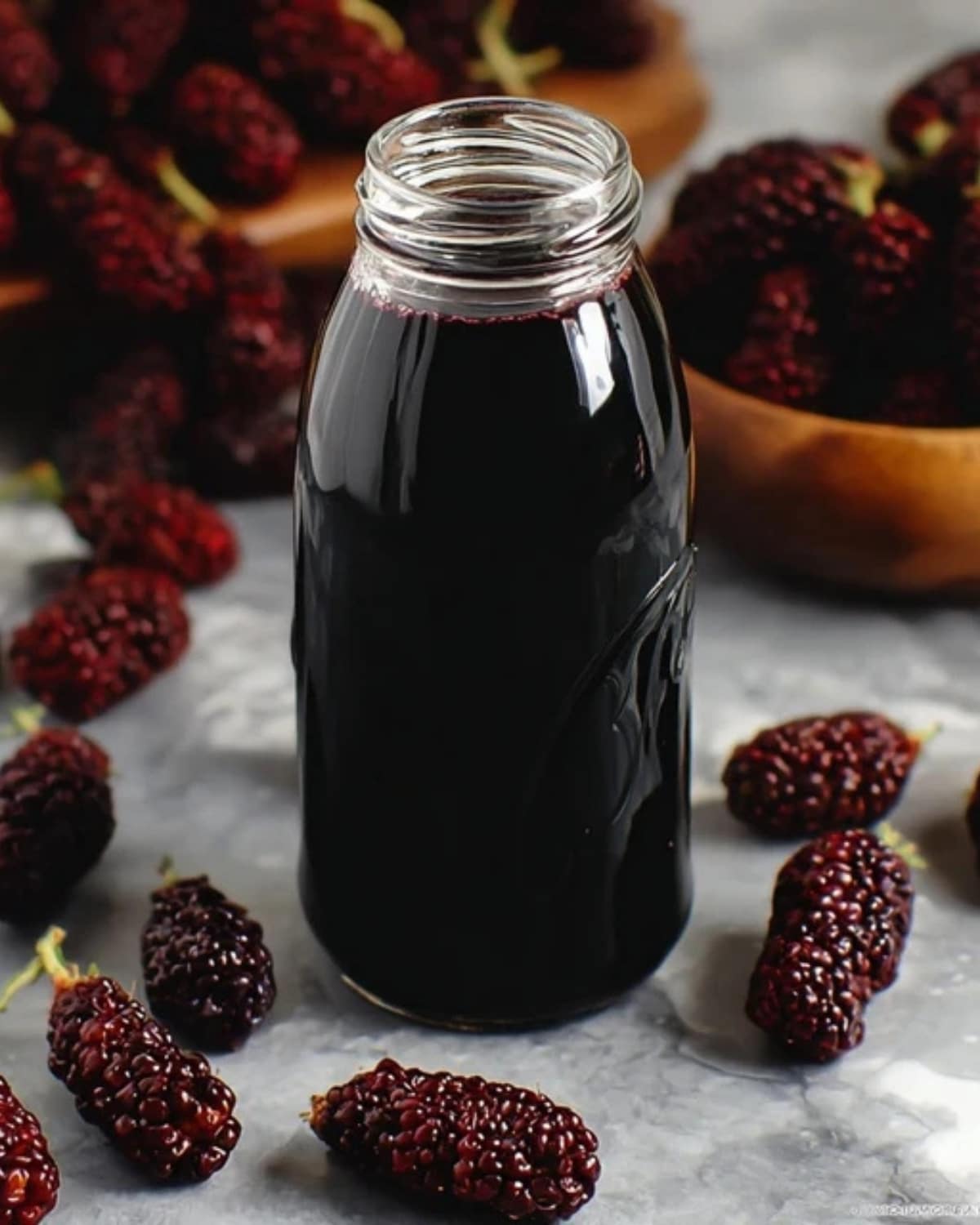
Mulberry syrup is one of the easiest and most rewarding ways to preserve the sweet, juicy flavor of fresh mulberries. With its deep purple color, naturally rich taste, and smooth texture, homemade mulberry syrup turns simple breakfasts and desserts into something special. Whether you drizzle it over pancakes, stir it into lemonade, or spoon it onto cheesecake, this mulberry syrup recipe delivers bold berry flavor without artificial ingredients.
If you enjoy baking with mulberries, you might also love this homemade Fresh Mulberry Cake Recipe for another delicious way to use seasonal berries.
In this complete guide, you’ll learn exactly how to make mulberry syrup from scratch, how to thicken it naturally, how to store it safely, and the best ways to use it every day.
JUMP TO
Table of Contents
Why Mulberry Syrup Is Worth Making at Home
Although store-bought syrups are convenient, homemade mulberry syrup offers better flavor, cleaner ingredients, and full control over sweetness. Once you make it yourself, you’ll notice the difference immediately.
What Is Mulberry Syrup?
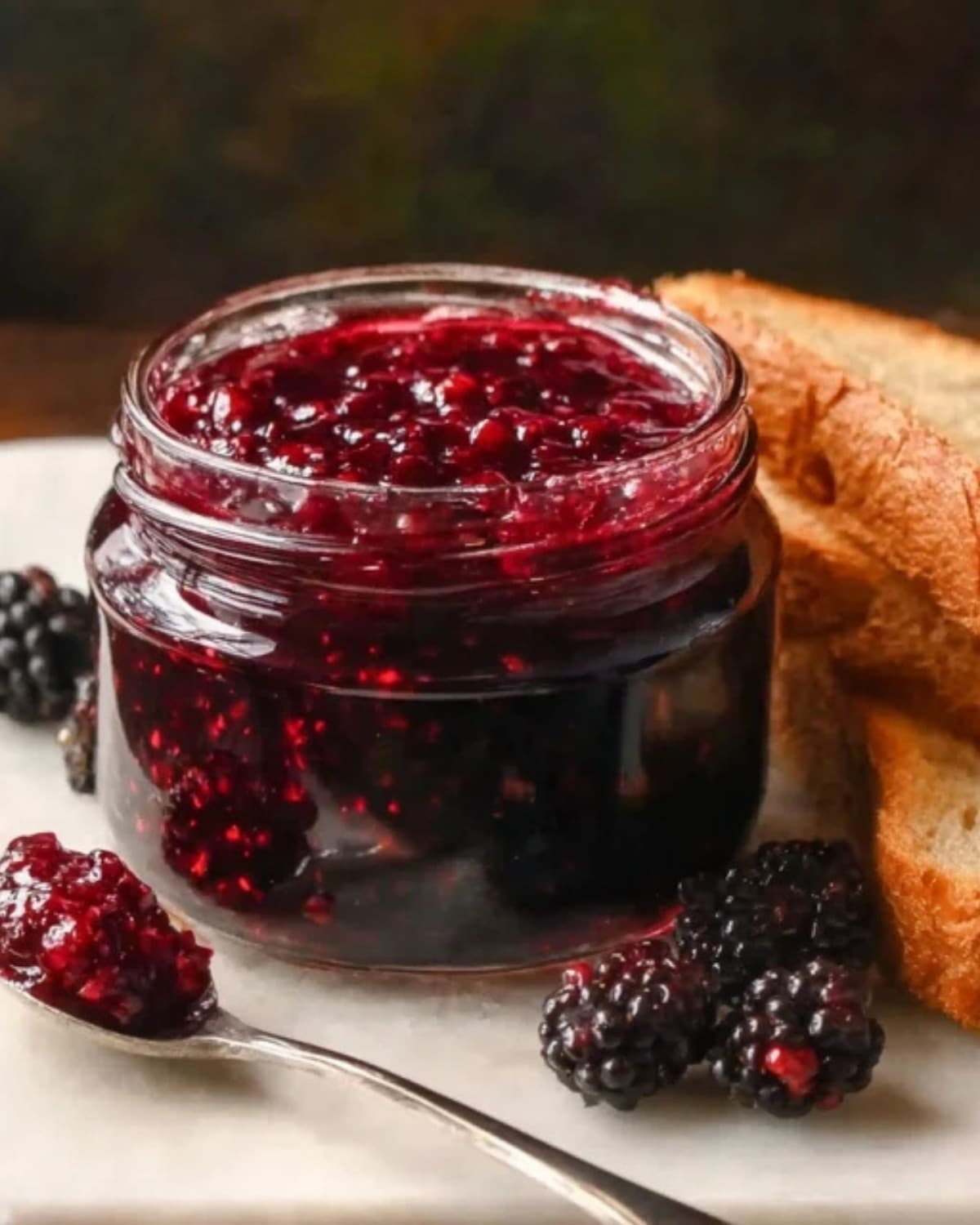
Mulberry syrup is a thick, sweet liquid made by simmering fresh mulberries with sugar and water. As the berries cook, they release their juice, creating a naturally vibrant syrup.
Unlike mulberry sauce, which often keeps fruit pieces inside, mulberry syrup is usually strained until smooth. Therefore, it pours easily and works beautifully as a topping or drink sweetener.
Flavor Profile of Fresh Mulberry Syrup
Fresh mulberry syrup has a sweet taste balanced with mild tartness. Because mulberries are naturally less acidic than some berries, the syrup tastes smoother and less sharp than raspberry or cranberry syrup.
Additionally, the syrup develops a deep purple hue as it reduces. As a result, it not only tastes amazing but also looks stunning on pancakes, waffles, and desserts.
Here’s a quick breakdown of the flavor components:
| Element | Contribution |
|---|---|
| Fresh Mulberries | Sweet, mildly tart berry flavor |
| Sugar | Balanced sweetness |
| Lemon Juice | Brightness and stability |
| Slow Simmer | Concentrated richness |
Benefits of Homemade Mulberry Syrup
There are several reasons to make mulberry syrup at home:
- No artificial colors or preservatives
- Adjustable sweetness level
- Budget-friendly during mulberry season
- Fresh, real fruit flavor
Because you control the ingredients, you can keep the recipe simple and natural. According to USDA FoodData Central, mulberries contain vitamin C, fiber, and antioxidants, making them a nutritious fruit choice even when turned into syrup.
You can review official nutritional data at the USDA FoodData Central website, which provides verified information on fruit nutrients.
Ingredients for the Best Mulberry Syrup Recipe
One of the best things about mulberry syrup is its simplicity. You only need a handful of basic ingredients.

Simple Ingredients You’ll Need
Here’s what goes into a classic mulberry syrup recipe:
| Ingredient | Quantity |
|---|---|
| Fresh mulberries | 4 cups |
| Granulated sugar | 1 to 1½ cups |
| Water | 1 cup |
| Fresh lemon juice | 1 tablespoon |
Fresh mulberries are ideal, but frozen mulberries also work well. Sugar balances the tartness, while lemon juice enhances flavor and helps prevent crystallization.
Optional Flavor Enhancements
Although traditional mulberry syrup is delicious on its own, you can add subtle flavors for variety:
- Vanilla bean for warmth
- Cinnamon stick for depth
- Orange zest for brightness
However, keep additions light so the mulberry flavor remains the star.
Fresh vs Frozen Mulberries
If fresh mulberries are in season, they offer the brightest flavor. However, frozen mulberries are convenient and available year-round.
When using frozen berries:
- Do not thaw completely before cooking
- Expect slightly more liquid
- Simmer a few minutes longer to reduce properly
Because mulberries release juice quickly, both options produce excellent mulberry syrup with only minor adjustments.
How to Make Mulberry Syrup Step by Step
Making mulberry syrup at home is surprisingly simple. In fact, once you try it, you’ll probably never go back to store-bought versions. Because the process relies on slow simmering, the berries naturally release their juice and create a rich, flavorful syrup.
Preparing the Mulberries
First, rinse the mulberries gently under cool running water. Since they are delicate, avoid soaking them too long. Remove any stems or leaves, then drain well.
Next, place the mulberries in a large saucepan. Using the back of a spoon or a potato masher, lightly crush them. This step helps release their juice quickly. As a result, the mulberry syrup develops deeper flavor during cooking.
Cooking the Mulberry Syrup
Now it’s time to simmer.
- Add 1 cup of water to the crushed mulberries.
- Bring the mixture to a gentle boil over medium heat.
- Reduce to a simmer and cook for about 10–15 minutes.
During this time, the berries will soften completely and release their vibrant purple juice. Stir occasionally to prevent sticking.
After that, add the sugar and lemon juice. Continue simmering for another 10–15 minutes, stirring until the sugar dissolves completely. Because mulberry syrup thickens as it reduces, allow the liquid to cook until it slightly coats the back of a spoon.
If you prefer a thicker mulberry syrup, simply simmer a few minutes longer. However, remember that it will thicken more as it cools.
Straining and Bottling
Once the syrup reaches your desired consistency, remove it from heat. Place a fine mesh strainer or cheesecloth over a clean bowl and carefully pour the mixture through it.
Press gently with a spoon to extract as much liquid as possible. Discard the solids.
Finally, transfer the smooth mulberry syrup into sterilized glass jars or bottles. Allow it to cool completely before sealing.
Tips for Thick, Rich Mulberry Syrup
Although mulberry syrup is easy to make, a few tips ensure perfect results every time.
How to Thicken Mulberry Syrup Naturally
The best way to thicken mulberry syrup is through reduction. In other words, let it simmer longer so excess water evaporates.
Avoid using cornstarch unless absolutely necessary. Because reduction concentrates flavor, it produces a richer and more natural syrup.
Preventing Crystallization
Sometimes sugar syrups can crystallize. To prevent this:
- Use the correct sugar-to-liquid ratio
- Add lemon juice to stabilize the mixture
- Avoid overcooking after sugar dissolves
Since lemon juice contains natural acids, it helps keep your mulberry syrup smooth.
Shelf Life and Storage
Proper storage keeps your mulberry syrup fresh and safe.
- Refrigerate in airtight jars for up to 2 weeks
- Freeze in small containers for up to 3 months
- Always use a clean spoon when serving
If the syrup develops an unusual smell, mold, or cloudiness, discard it immediately.
Delicious Ways to Use Mulberry Syrup
One of the best things about mulberry syrup is its versatility. Because it pairs well with both breakfast and dessert, you’ll find endless uses for it.
Mulberry Syrup for Pancakes and Waffles
Warm mulberry syrup slightly before pouring it over pancakes or waffles. As it spreads, the syrup seeps into every bite, adding sweet berry richness.
If you enjoy fruit toppings, you might also love this comforting Blueberry Breakfast Cake for another berry-inspired breakfast idea.
Drizzling Over Ice Cream and Cheesecake
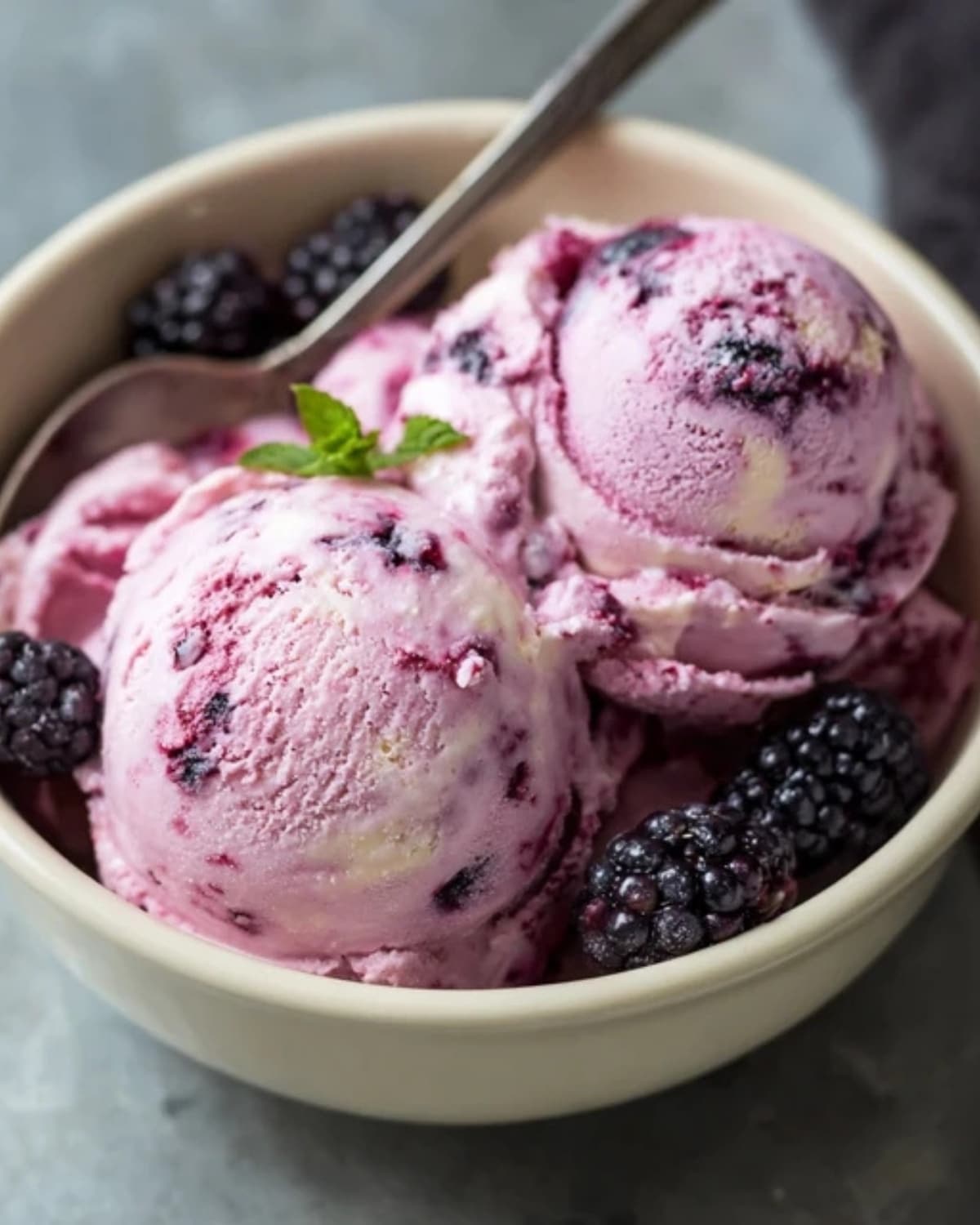
Mulberry syrup makes a beautiful topping for vanilla ice cream or classic cheesecake. The deep purple color creates stunning contrast, while the sweet-tart flavor balances creamy desserts.
Mixing Into Lemonade and Sparkling Drinks
For a refreshing non-alcoholic drink, stir a few tablespoons of mulberry syrup into lemonade or sparkling water. Because it dissolves easily, it blends smoothly and adds natural berry sweetness.
Using as a Glaze for Cakes and Muffins
Brush warm mulberry syrup over pound cake, muffins, or loaf cakes for added moisture and flavor. The syrup soaks in lightly, creating a glossy finish.
Nutritional Benefits of Mulberries
Although mulberry syrup contains sugar, it still delivers nutrients from real fruit.
Vitamins and Antioxidants
Mulberries are known for containing:
- Vitamin C
- Iron
- Dietary fiber
- Antioxidants
According to USDA FoodData Central, mulberries provide essential nutrients that support immune health and overall wellness.
Because homemade mulberry syrup uses real fruit, it offers better ingredient quality compared to artificial syrups.
Natural Fruit Sweetness vs Artificial Syrups
Store-bought syrups often contain artificial flavors and corn syrup. In contrast, homemade mulberry syrup relies on simple, recognizable ingredients.
Therefore, you control sweetness, thickness, and overall flavor.
Frequently Asked Questions About Mulberry Syrup
How long does homemade mulberry syrup last?
When refrigerated in a sealed container, mulberry syrup lasts up to two weeks. For longer storage, freeze it.
Can I use frozen mulberries?
Yes. Frozen mulberries work well. Simply cook them slightly longer to allow excess moisture to evaporate.
Why is my mulberry syrup too thin?
If your mulberry syrup is thin, simmer it longer. Reduction thickens the syrup naturally as water evaporates.
Can I make mulberry syrup without sugar?
You can reduce or substitute sugar with natural sweeteners. However, the texture and shelf life may change.
Conclusion: Why This Mulberry Syrup Recipe Is a Must-Try
Mulberry syrup is simple, flavorful, and incredibly versatile. Because it uses fresh mulberries and basic pantry ingredients, it delivers pure berry taste without artificial additives.
Whether you drizzle it over pancakes, stir it into lemonade, or use it as a dessert glaze, this homemade mulberry syrup adds rich color and sweet depth to everyday meals.
If you enjoy homemade fruit recipes, you might also like this comforting Applesauce Cake Tasty Recipe for another fruit-forward treat.
So next time mulberries are in season, don’t let them go to waste—turn them into a delicious batch of mulberry syrup.
PrintMulberry Syrup – Easy Homemade Sweet Berry Recipe

Mulberry syrup made with fresh mulberries, sugar, and lemon juice. This easy homemade recipe creates a rich, sweet berry syrup perfect for pancakes, desserts, and drinks.
- Prep Time: 10 minutes
- Cook Time: 25 minutes
- Total Time: 35 minutes
- Yield: 2 cups 1x
- Category: Condiment
- Method: Baking or Simmering
- Cuisine: American
- Diet: Vegetarian
Ingredients
- 4 cups fresh mulberries (washed and stems removed)
- 1 to 1½ cups granulated sugar (adjust to taste)
- 1 cup water
- 1 tablespoon fresh lemon juice
- Optional: 1 teaspoon vanilla extract or 1 small cinnamon stick
Instructions
- Rinse mulberries gently under cool water, remove stems, and drain well.
- Place mulberries in a large saucepan and lightly crush them with a spoon or potato masher.
- Add 1 cup of water and bring the mixture to a gentle boil over medium heat.
- Reduce heat and simmer for 10–15 minutes, stirring occasionally, until berries release their juice.
- Add sugar and lemon juice, stirring until the sugar completely dissolves.
- Continue simmering for another 10–15 minutes until the syrup slightly thickens and coats the back of a spoon.
- Remove from heat and strain through a fine mesh strainer or cheesecloth into a clean bowl.
- Press gently to extract as much liquid as possible, then discard solids.
- Pour the smooth mulberry syrup into sterilized glass jars or bottles.
- Allow to cool completely before sealing and refrigerating.
Notes
- The syrup will thicken more as it cools.
- For thicker syrup, simmer longer to reduce naturally.
- Always use a clean spoon when serving to extend shelf life.
- Refrigerate for up to 2 weeks.
- Freeze in airtight containers for up to 3 months.
Nutrition
- Serving Size: 2 tablespoons
- Calories: 90 kcal
- Sugar: 20 g
- Sodium: 2 mg
- Fat: 0 g
- Saturated Fat: 0 g
- Unsaturated Fat: 0 g
- Trans Fat: 0 g
- Carbohydrates: 23 g
- Fiber: 0 g
- Protein: 0 g
- Cholesterol: 0 mg