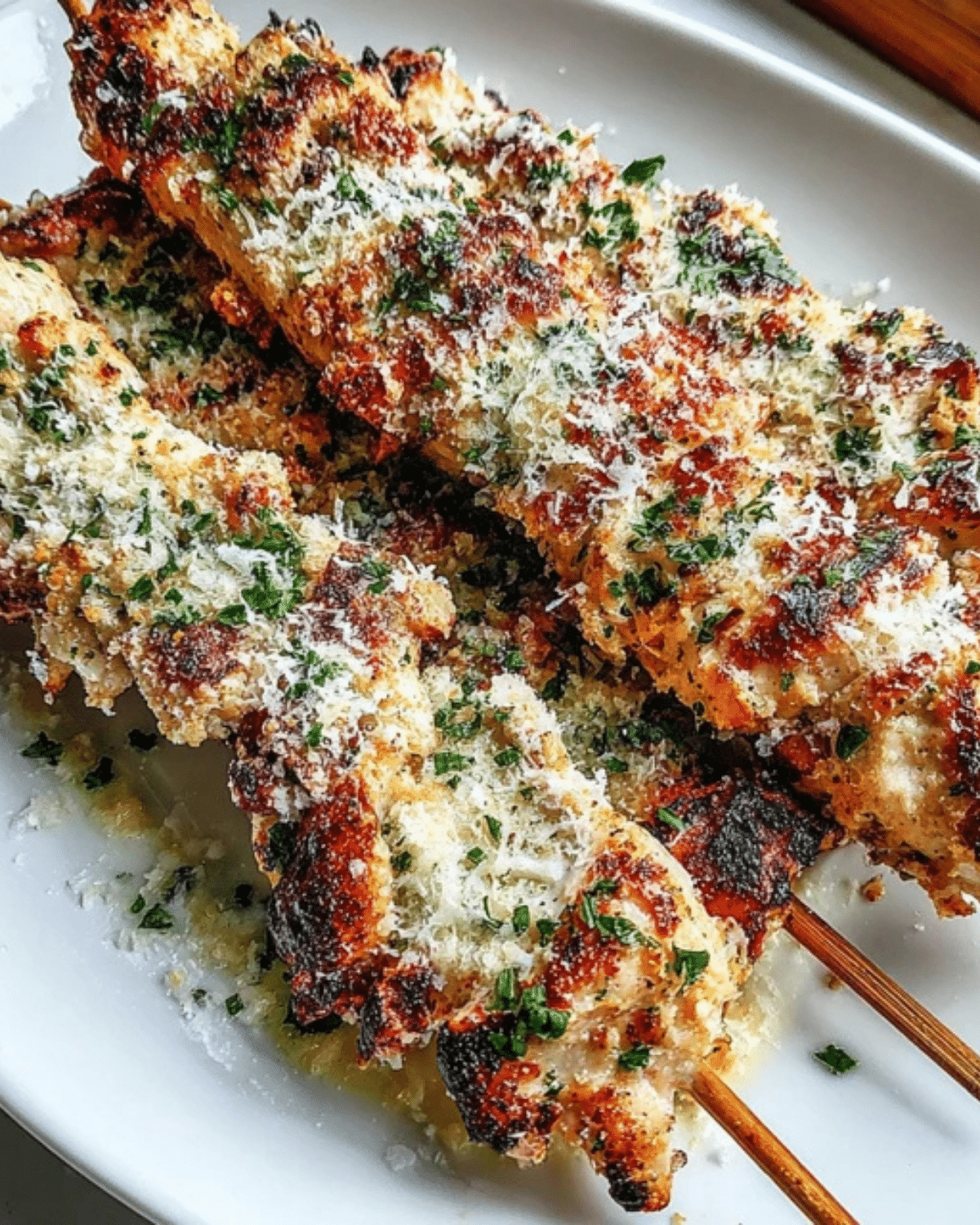
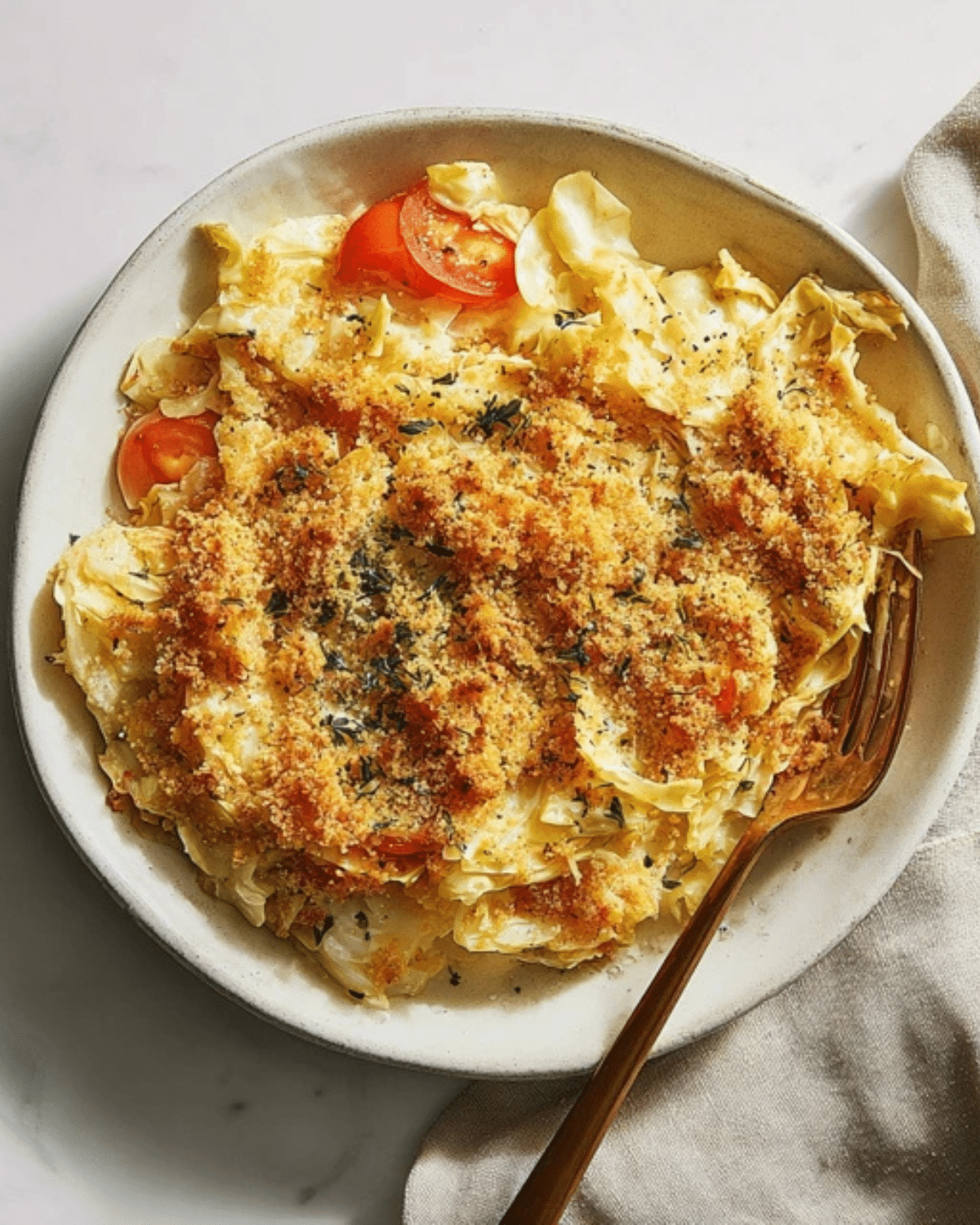
Old fashioned cabbage casserole is a timeless comfort dish that has been passed down through generations. Built on simple ingredients and slow baking, this classic recipe turns humble cabbage into a warm, filling meal that feels familiar and satisfying. While modern casseroles often rely on heavy sauces or processed shortcuts, old fashioned cabbage casserole stays true to its roots by focusing on balance, texture, and natural flavor. Whether served as a main dish or a hearty side, this casserole continues to earn its place on American dinner tables.
Because cabbage is affordable, nutritious, and easy to work with, it has long been a staple in home cooking. When baked properly, cabbage becomes tender and slightly sweet, making it the perfect foundation for a comforting casserole. This guide covers everything you need to know, from ingredients and preparation to variations, storage, and common questions, so you can confidently make the best old fashioned cabbage casserole at home.
JUMP TO
Table of Contents
What Makes Old Fashioned Cabbage Casserole a Timeless Dish
Old fashioned cabbage casserole remains popular because it delivers comfort without complication. Instead of relying on trendy ingredients, it uses basic pantry staples that come together naturally during baking. As a result, the dish feels familiar, reliable, and deeply satisfying.
The History Behind Old Fashioned Cabbage Casserole
Cabbage casseroles became common when families needed filling meals made from inexpensive ingredients. Cabbage stored well, grew easily, and stretched across multiple meals. Over time, cooks began combining it with eggs, milk, and butter to create casseroles that could feed large households without waste.
Because casseroles were baked in a single dish, they also saved time and effort. That practicality helped old fashioned cabbage casserole remain a household favorite even as cooking trends evolved.
Why Cabbage Casseroles Remain Popular in American Homes
Cabbage casserole offers a rare mix of nutrition and comfort. Cabbage is rich in fiber and vitamins, yet low in calories. When baked, it softens and develops a mild sweetness that appeals even to those who normally avoid vegetables.
Additionally, old fashioned cabbage casserole adapts easily. It can be served as a main dish, paired with roasted meats, or enjoyed as a side. That flexibility makes it a dependable option for both everyday meals and gatherings.
Old Fashioned vs Modern Cabbage Casserole Recipes
Modern cabbage casseroles often include heavy sauces or excessive cheese. While flavorful, they can overwhelm the cabbage. In contrast, old fashioned cabbage casserole allows the vegetable itself to remain the focus. The result is a lighter, cleaner-tasting dish that still feels rich and comforting.
According to classic casserole guidelines shared by Food Network, slow baking and simple layering remain the best way to develop deep flavor without overpowering ingredients, which explains why traditional methods continue to work so well.
Ingredients Needed for an Old Fashioned Cabbage Casserole
The success of an old fashioned cabbage casserole depends on choosing the right ingredients and using them in moderation. Each component supports the cabbage rather than masking it.
Essential Pantry Ingredients for Cabbage Casserole
Most traditional recipes rely on green cabbage, eggs, milk, butter, and a light thickening agent such as flour or breadcrumbs. Salt and black pepper provide seasoning, while optional spices add warmth without distraction.
| Ingredient | Role in the Casserole |
|---|---|
| Green cabbage | Main structure and texture |
| Eggs | Bind ingredients together |
| Milk or cream | Adds moisture and softness |
| Butter | Enhances richness |
| Flour or breadcrumbs | Absorbs excess liquid |
| Salt and pepper | Balances flavor |
Using too many ingredients can dilute the dish’s old fashioned character, so simplicity works best.
Choosing the Best Cabbage for a Traditional Casserole
Green cabbage is ideal for old fashioned cabbage casserole because it cooks evenly and maintains structure. Fresh cabbage should feel firm, heavy, and tightly packed. Loose leaves or discoloration can indicate age and may affect flavor.
Savoy cabbage may be used in a pinch, although it softens faster. Red cabbage is not recommended, as it alters both color and taste during baking.
Optional Add-Ins Without Losing the Old Fashioned Flavor
Small additions such as onions or mild cheese can be included, although restraint is important. If adding protein, fully cooked chicken sausage works well, adding substance without overwhelming the cabbage.
Step-by-Step Preparation of Old Fashioned Cabbage Casserole
Careful preparation ensures the casserole bakes evenly and maintains the right texture.
Preparing and Softening Cabbage Correctly
Begin by removing outer cabbage leaves and slicing the head into thin strips. Lightly pre-cook the cabbage by boiling or sautéing it briefly in butter. This step releases excess moisture and prevents the casserole from becoming watery.
After cooking, drain the cabbage thoroughly and allow it to cool slightly before assembling.
Layering Techniques for Perfect Texture
Grease the baking dish lightly with butter. Spread the cabbage evenly, then pour over the egg and milk mixture. Sprinkle flour or breadcrumbs between layers to help absorb moisture.
This method ensures the casserole sets properly while remaining tender.
Baking Time and Temperature Tips
Bake the casserole at 350°F for 45 to 60 minutes. Baking slowly allows the eggs to set gently and the cabbage to continue softening. The top should turn lightly golden, and the center should feel firm when touched.

Cooking Tips for the Best Old Fashioned Cabbage Casserole
Even simple recipes benefit from attention to detail.
How to Avoid a Watery Cabbage Casserole
Always pre-cook and drain the cabbage thoroughly. Letting it cool before assembling reduces steam buildup during baking.
Achieving Rich Flavor Without Overpowering Cabbage
Butter should enhance, not dominate. Season gradually, tasting when possible. Cabbage develops natural sweetness as it bakes, so heavy seasoning is unnecessary.
Common Mistakes to Avoid
Overbaking dries out the casserole, while underbaking prevents it from setting. Avoid excessive dairy or cheese, which can alter texture and stray from tradition.
Variations of Old Fashioned Cabbage Casserole
Although the classic recipe stands on its own, variations allow flexibility.
Meat-Based Old Fashioned Cabbage Casserole
For a heartier version, chicken sausage can be added. It should be fully cooked and sliced before mixing with the cabbage. This keeps the casserole balanced while adding protein.
Vegetarian Cabbage Casserole Version
The vegetarian version stays closest to tradition. Onions or mushrooms can be added for depth without overpowering the cabbage.
Southern-Style Cabbage Casserole Twist
Southern-style versions may use a bit more butter or a small amount of cheddar cheese, adding richness while keeping the dish familiar.
How to Store, Reheat, and Serve Cabbage Casserole
Proper Storage for Leftovers
Store leftovers in an airtight container in the refrigerator for up to three days.
Best Reheating Methods
Reheat in the oven at low temperature to maintain texture. Microwaving works but should be done in short intervals.
What to Serve With Old Fashioned Cabbage Casserole
This casserole pairs well with roasted chicken, fresh salads, or crusty bread. Because it is filling, smaller portions often work best.
FAQs About Old Fashioned Cabbage Casserole
Can old fashioned cabbage casserole be made ahead of time?
Yes, it can be assembled in advance and baked just before serving.
Why does cabbage casserole turn bitter?
Overcooking cabbage before baking can cause bitterness.
Can cabbage casserole be frozen?
It can be frozen, although texture may soften slightly after thawing.
Is cabbage casserole healthy?
Cabbage is nutrient-rich, and when prepared with moderate dairy, this dish fits well into a balanced diet.
Conclusion: Why Old Fashioned Cabbage Casserole Is Worth Making
Old fashioned cabbage casserole continues to stand the test of time because it delivers comfort, affordability, and flavor without unnecessary complexity. With simple ingredients and careful preparation, it transforms cabbage into a dish that feels warm, familiar, and deeply satisfying. Whether served as a main course or a side, this casserole proves that classic recipes remain relevant for a reason.
PrintOld Fashioned Cabbage Casserole – The Best Classic Recipe

Old fashioned cabbage casserole is a classic comfort food made with tender baked cabbage, eggs, milk, and simple pantry staples, resulting in a hearty, satisfying dish perfect as a main or side.
- Prep Time: 20 minutes
- Cook Time: 50 minutes
- Total Time: 1 hour 10 minutes
- Yield: 6 servings 1x
- Category: Main Dish
- Method: Baking
- Cuisine: American
- Diet: Vegetarian
Ingredients
- 1 medium green cabbage, chopped (about 2 pounds)
- 3 large eggs
- 1 cup whole milk
- 3 tablespoons unsalted butter, melted
- 2 tablespoons all-purpose flour or breadcrumbs
- 1 small onion, finely chopped
- 1/2 teaspoon salt
- 1/4 teaspoon black pepper
- 1/4 teaspoon paprika (optional)
Instructions
- Preheat the oven to 350°F (175°C) and lightly grease a baking dish with butter.
- Remove the outer leaves of the cabbage, chop it into thin strips, and lightly boil or sauté it until just tender.
- Drain the cabbage thoroughly and allow it to cool slightly to remove excess moisture.
- In a mixing bowl, whisk together the eggs, milk, melted butter, salt, pepper, and paprika if using.
- Spread the cabbage evenly in the prepared baking dish and sprinkle with chopped onion.
- Pour the egg mixture over the cabbage and sprinkle flour or breadcrumbs evenly on top.
- Bake uncovered for 45 to 60 minutes, or until the top is lightly golden and the center is set.
- Remove from the oven, let rest for 10 minutes, then slice and serve.
Notes
- Drain the cabbage well to prevent a watery casserole.
- Do not overbake, as this can dry out the casserole.
- You can prepare the casserole a day ahead and bake before serving.
- For added richness, a small amount of mild cheese may be added without overpowering the dish.
Nutrition
- Serving Size: 1 serving
- Calories: 210 kcal
- Sugar: 6 g
- Sodium: 380 mg
- Fat: 11 g
- Saturated Fat: 6 g
- Unsaturated Fat: 4 g
- Trans Fat: 0 g
- Carbohydrates: 18 g
- Fiber: 4 g
- Protein: 9 g
- Cholesterol: 110 mg