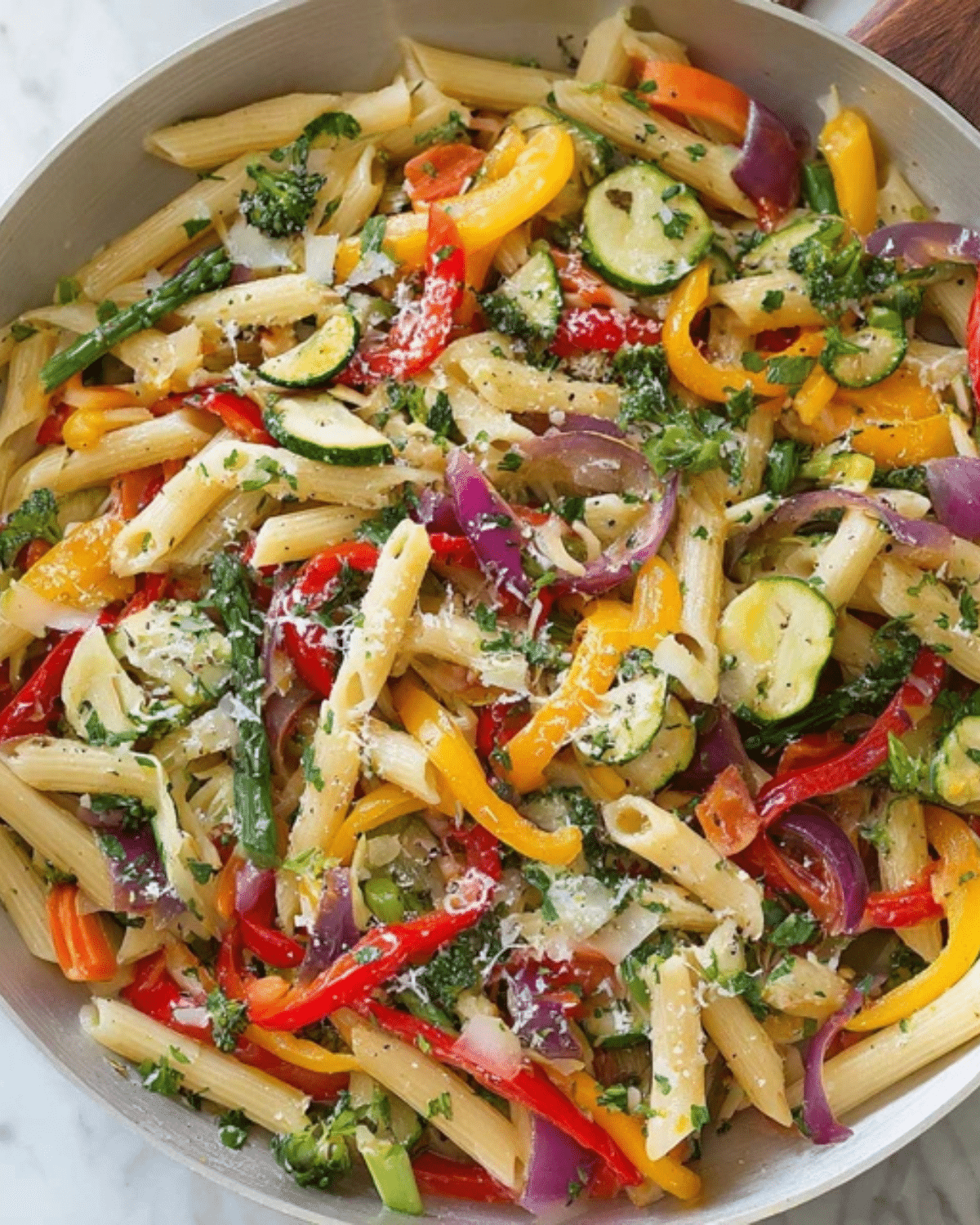
Pasta Primavera is a vibrant, colorful, and vegetable-packed pasta dish that celebrates fresh seasonal produce. This Pasta Primavera recipe combines tender pasta, sautéed vegetables, garlic, olive oil, and Parmesan cheese for a light yet satisfying meal. Whether you’re cooking for a busy weeknight or planning a spring-inspired dinner, Pasta Primavera delivers freshness, balance, and simple elegance in every bite.
In this complete guide, you’ll learn how to choose the best vegetables, cook pasta perfectly, build a light primavera sauce, and customize the dish for different dietary needs. Primavera is versatile, comforting, and ideal for anyone who loves fresh vegetables with pasta.
JUMP TO
Table of Contents
What Is Pasta Primavera and Why Is It So Popular?
Pasta Primavera translates to “spring pasta” in Italian. Although often associated with Italian cuisine, the dish was popularized in North America as a celebration of fresh vegetables tossed with pasta.
Why Pasta Primavera Stands Out
Pasta Primavera is loved because it:
- Highlights fresh vegetables
- Uses a light, simple sauce
- Feels both healthy and comforting
- Is easy to customize
Unlike heavy cream-based pasta dishes, Pasta Primavera relies mostly on olive oil, garlic, and Parmesan to enhance natural vegetable flavors.
A Balanced and Nutritious Dish
Ingredients for the Best Results
The beauty of pasta and vegetables lies in its flexibility. You can adjust vegetables based on season and preference.
Essential Ingredients
| Ingredient | Quantity | Notes |
|---|---|---|
| Pasta (penne or fettuccine) | 12 oz | Cook al dente |
| Zucchini | 1 medium, sliced | Adds tenderness |
| Bell peppers | 2, sliced | Colorful variety |
| Broccoli florets | 1 cup | Fresh preferred |
| Cherry tomatoes | 1 cup | Halved |
| Carrots | 1 large, julienned | Adds sweetness |
| Garlic | 3 cloves, minced | Fresh flavor |
| Olive oil | 3 tablespoons | For sautéing |
| Parmesan cheese | ½ cup grated | Freshly grated |
| Salt | 1 teaspoon | Adjust to taste |
| Black pepper | ½ teaspoon | Freshly cracked |
| Fresh basil | ¼ cup | For garnish |
Because vegetables cook at different speeds, slicing them evenly ensures consistent texture.
Optional Add-Ins
Pasta Primavera can easily be enhanced with:
- Asparagus
- Snap peas
- Mushrooms
- Spinach
- Grilled chicken or shrimp
For a vegan version, simply omit Parmesan or use plant-based alternatives.
Step-by-Step Guide to Making This Recipe
Step 1 – Cook the Pasta Perfectly
Bring a large pot of salted water to a boil. Add pasta and cook until al dente according to package instructions.
Reserve ½ cup of pasta water before draining. This starchy water helps bind the sauce later.
Step 2 – Sauté the Vegetables
While pasta cooks:
- Heat olive oil in a large skillet over medium heat.
- Add carrots and broccoli first, cooking 2–3 minutes.
- Add zucchini and bell peppers.
- Stir in garlic and cook until fragrant.
- Add cherry tomatoes last and cook briefly.

Because overcooking vegetables leads to softness, aim for tender-crisp texture.
Step 3 – Combine Pasta and Vegetables
Add drained pasta directly into the skillet with vegetables.
- Toss gently to combine
- Add reserved pasta water gradually
- Stir in Parmesan cheese
- Season with salt and pepper
The pasta water helps create a light, glossy sauce without heavy cream.
Step 4 – Finish and Garnish the Pasta Primavera
Once the pasta and vegetables are combined, reduce the heat to low. Stir gently so the Parmesan melts evenly and coats everything lightly. If the Pasta Primavera looks dry, add a tablespoon of reserved pasta water at a time until the sauce becomes glossy and smooth.
Finally, sprinkle freshly chopped basil over the top. The basil adds brightness that complements the sautéed vegetables perfectly. Serve the Pasta Primavera immediately while warm for the best texture and flavor.
Expert Tips for Perfect Pasta Primavera
Although Pasta Primavera is simple, a few key techniques elevate it from good to outstanding.
Don’t Overcook the Vegetables
Because this Pasta celebrates fresh produce, vegetables should remain tender-crisp. Overcooking results in a mushy texture and dull flavor. Therefore, cook firmer vegetables like carrots and broccoli first, then add softer ones like zucchini and tomatoes later.
Salt the Pasta Water Generously
Well-salted pasta water enhances the entire dish. Since Pasta Primavera uses a light sauce, properly seasoned pasta makes a noticeable difference.
Use Fresh Parmesan
Freshly grated Parmesan melts more smoothly than pre-shredded versions. Additionally, it provides better flavor and texture.
Customize by Season
One reason Pasta Primavera remains popular is its flexibility. In spring, use asparagus and peas. In summer, add zucchini and tomatoes. In fall, try mushrooms and spinach.
Storage and Reheating Tips for this dish
Pasta Primavera stores well, making it ideal for leftovers.
Refrigeration
- Allow to cool completely
- Store in airtight container
- Refrigerate for up to 4 days
Because vegetables release moisture, the pasta may absorb some liquid while stored.
Best Way to Reheat
For best results:
Stovetop Method
- Add pasta to skillet
- Add a splash of water or olive oil
- Heat gently over medium-low
Microwave Method
- Heat in 30-second intervals
- Stir between intervals
Avoid overheating, as vegetables can become overly soft.
Can You Freeze Pasta Primavera?
Freezing is possible but not ideal. Because vegetables contain water, texture may soften after thawing. If freezing, use sturdy vegetables like broccoli and carrots.
Frequently Asked Questions About Pasta Primavera
What Does Pasta Primavera Mean?
“Primavera” means “spring” in Italian. this Pasta traditionally features fresh spring vegetables tossed with pasta.
Is Pasta Primavera Healthy?
Yes. Because this Pasta is packed with vegetables and uses olive oil instead of heavy cream, it can be part of a balanced diet.
Can I Add Protein?
Absolutely. Grilled chicken, shrimp, or even chickpeas can be added for extra protein without overpowering the fresh flavors.
What Pasta Works Best?
Penne, fettuccine, spaghetti, or linguine all work well. Choose pasta shapes that hold vegetables evenly.
Conclusion: Why Pasta Primavera Is Always a Good Idea
Pasta Primavera is fresh, colorful, and endlessly adaptable. Because it highlights seasonal vegetables and uses a light sauce, it feels satisfying without being heavy. Moreover, it’s quick enough for weeknights yet elegant enough for entertaining.
Once you master this Pasta Primavera recipe, it will quickly become a staple in your kitchen.
PrintPasta Primavera – Fresh & Easy Vegetable Pasta

Pasta Primavera is a fresh and colorful vegetable pasta made with seasonal veggies, olive oil, garlic, and Parmesan cheese for a light yet satisfying meal.
- Prep Time: 15 minutes
- Cook Time: 20 minutes
- Total Time: 35 minutes
- Yield: 4 servings 1x
Ingredients
- 12 oz pasta (penne, fettuccine, or spaghetti)
- 1 medium zucchini, sliced
- 2 bell peppers, sliced
- 1 cup broccoli florets
- 1 cup cherry tomatoes, halved
- 1 large carrot, julienned
- 3 cloves garlic, minced
- 3 tablespoons olive oil
- 1/2 cup freshly grated Parmesan cheese
- 1 teaspoon salt (or to taste)
- 1/2 teaspoon freshly cracked black pepper
- 1/4 cup fresh basil, chopped (for garnish)
Instructions
- Bring a large pot of salted water to a boil. Cook pasta until al dente according to package instructions. Reserve 1/2 cup pasta water, then drain.
- Heat olive oil in a large skillet over medium heat.
- Add carrots and broccoli first and sauté for 2–3 minutes.
- Add zucchini and bell peppers, cooking until tender-crisp.
- Stir in garlic and cook for 30 seconds until fragrant.
- Add cherry tomatoes and cook briefly until slightly softened.
- Add drained pasta to the skillet and toss gently with vegetables.
- Gradually add reserved pasta water as needed to create a light sauce.
- Stir in Parmesan cheese and season with salt and black pepper.
- Garnish with fresh basil and serve immediately.
Notes
- Do not overcook vegetables; aim for tender-crisp texture.
- Use freshly grated Parmesan for best flavor and melting.
- Customize with seasonal vegetables like asparagus or peas.
- Add grilled chicken or shrimp for extra protein.
- Store leftovers in an airtight container for up to 4 days.
- Reheat gently with a splash of olive oil or water.
Nutrition
- Serving Size: 1 serving
- Calories: 410
- Sugar: 6g
- Sodium: 520mg
- Fat: 14g
- Saturated Fat: 3g
- Unsaturated Fat: 9g
- Trans Fat: 0g
- Carbohydrates: 58g
- Fiber: 5g
- Protein: 13g
- Cholesterol: 10mg