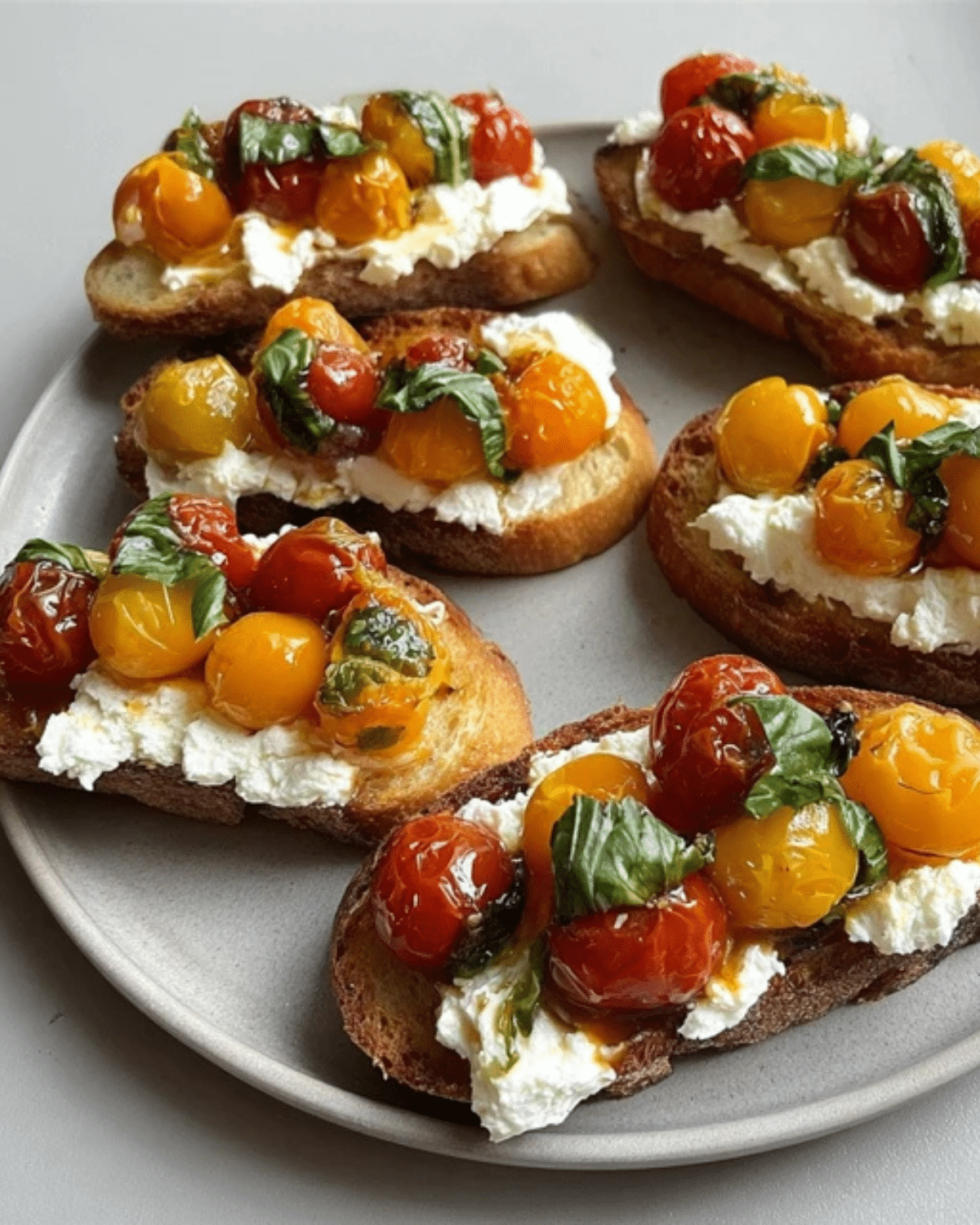
Ricotta Crostini is one of those simple appetizers that somehow feels fancy every single time. With creamy whipped ricotta, crisp toasted bread, and endless topping options, this ricotta crostini recipe fits casual get-togethers, holiday parties, and last-minute snacks alike. In this guide, you’ll learn exactly what ricotta crostini is, why it works so well, and how to make a version that tastes light, rich, and perfectly balanced without any fuss. If you’re looking for an easy ricotta crostini that delivers big flavor with minimal effort, you’re in the right place.
JUMP TO
Table of Contents
What Is Ricotta Crostini and Why Everyone Loves It
Ricotta crostini is a classic Italian-inspired appetizer made with toasted bread slices topped with creamy ricotta cheese and finished with either sweet or savory toppings. While the concept is simple, the flavor payoff is surprisingly impressive, which explains why ricotta crostini shows up so often on party menus, and restaurant starters.
Ricotta Crostini Explained in Simple Terms
At its core, ricotta crostini is toasted bread rubbed with olive oil, topped with whipped ricotta, and finished with ingredients like honey, herbs, roasted vegetables, or cured meats. The contrast between crunchy crostini and smooth ricotta cheese creates a texture that feels indulgent yet light. Because ricotta has a mild, slightly sweet flavor, it works beautifully with both sweet ricotta crostini toppings and savory crostini ideas.
Origins of Crostini in Italian Cuisine
Crostini comes from the Italian word crosta, meaning crust. Traditionally, crostini were a practical way to use day-old bread by toasting it and adding simple toppings. Over time, crostini evolved into an appetizer staple across Italy. Today, crostini with ricotta cheese is especially popular because ricotta was widely available and easy to season with local ingredients like olive oil, honey, herbs, and vegetables.
Why Ricotta Is the Perfect Crostini Base
Ricotta is ideal for crostini because it’s creamy without being heavy. When whipped, ricotta becomes airy and spreadable, making it easy to layer onto bread without overpowering it. Unlike stronger cheeses, ricotta allows toppings to shine while still adding richness. That balance is exactly why whipped ricotta crostini feels elegant but never overwhelming, even when served before a big meal.
Ingredients for the Best Ricotta Crostini Recipe
The beauty of a great ricotta crostini recipe is how little you actually need. With a few quality ingredients and smart choices, you can create an appetizer that tastes restaurant-worthy yet feels effortless. Since ricotta crostini relies on balance, every ingredient plays a role in texture and flavor.

Core Ingredients You Need for Ricotta Crostini
To make classic ricotta crostini, you’ll need fresh ricotta cheese, a good loaf of bread, olive oil, salt, and pepper. Whole-milk ricotta is strongly recommended because it creates a richer and creamier whipped ricotta spread. For the bread, a baguette or rustic Italian loaf works best, as it toasts evenly and holds toppings without collapsing. Olive oil adds flavor while helping the crostini crisp up beautifully in the oven or skillet.
Choosing the Best Ricotta Cheese for Crostini
Not all ricotta cheese is created equal. For whipped ricotta crostini, look for high-quality whole-milk ricotta with a thick texture. Watery ricotta can make the spread runny and dull the overall flavor. If your ricotta seems loose, draining it briefly in a fine-mesh strainer can make a noticeable difference. This simple step improves both taste and texture, especially when making ricotta crostini ahead of time.
Optional Add-Ins to Boost Flavor Naturally
While plain whipped ricotta is delicious, small additions can elevate it even more. Lemon zest adds brightness, while garlic provides depth for savory ricotta crostini. Fresh herbs like thyme or basil work well, and a drizzle of honey can transform the spread into a sweet ricotta crostini base. These additions are optional, yet they help customize the crostini for different occasions.
How to Make Whipped Ricotta Crostini Step by Step
Once you’ve gathered your ingredients, the process is quick and straightforward. Still, a few small techniques can turn a good ricotta crostini into a truly memorable one.
How to Whip Ricotta Until Light and Creamy
Start by placing the ricotta cheese in a food processor or blender. Add olive oil, salt, and any optional flavor boosters you prefer. Blend until the ricotta becomes smooth, fluffy, and slightly airy. This whipping step is what transforms basic ricotta into a luxurious whipped ricotta spread. If the mixture feels too thick, a small splash of olive oil helps loosen it without watering it down.
Toasting Bread for Crispy Crostini
Slice the bread into even pieces, brush lightly with olive oil, and toast until golden and crisp. You can bake the slices in the oven or toast them on a skillet. The goal is a crunchy exterior with a slightly tender center. Properly toasted bread prevents sogginess and supports the creamy ricotta topping, which is essential for the best ricotta crostini texture.
Assembling Ricotta Crostini the Right Way
Once the bread cools slightly, spread a generous layer of whipped ricotta on each slice. Add toppings just before serving to keep everything fresh and vibrant. Whether you choose savory crostini toppings like roasted vegetables or sweet ricotta crostini ideas with fruit and honey, assembling at the last minute ensures the best flavor and presentation.
Ricotta Crostini Topping Ideas for Every Occasion
One reason ricotta crostini remains so popular is its versatility. With the same whipped ricotta base, you can create dozens of variations that suit different moods, seasons, and events.
Sweet Ricotta Crostini Toppings
For sweet ricotta crostini, honey is a classic choice. Fresh figs, berries, or sliced pears pair beautifully with creamy ricotta. A sprinkle of chopped nuts adds crunch, while a light drizzle of honey or maple syrup brings everything together. These versions work especially well for brunch or dessert-style appetizers.
Savory Ricotta Crostini Variations
Savory ricotta crostini are perfect for parties. Roasted tomatoes, sautéed mushrooms, or caramelized onions add depth and umami. Fresh herbs and cracked black pepper enhance the ricotta without overpowering it. For extra richness, a light drizzle of olive oil finishes the crostini beautifully.
Seasonal Ricotta Crostini Ideas
Seasonal toppings keep ricotta crostini exciting year-round. In summer, fresh tomatoes and basil shine. In fall, roasted squash or apples add warmth. Winter crostini benefit from roasted root vegetables, while spring versions pair well with fresh herbs and greens. This flexibility makes ricotta crostini one of the most adaptable appetizer ideas around.
Tips for Making Ricotta Crostini Ahead of Time
Ricotta crostini is easy to prepare, yet a little planning makes it even better. Whether you’re hosting guests or prepping for a busy day, these tips help keep your ricotta crostini fresh, creamy, and crisp.
How to Store Whipped Ricotta Properly
Whipped ricotta can be made up to two days in advance. Store it in an airtight container in the refrigerator to maintain freshness. Before using, give it a quick stir to restore its creamy texture. This approach saves time while ensuring your ricotta crostini still tastes light and flavorful.
Preventing Soggy Crostini
To avoid soggy bread, always store toasted crostini separately from the whipped ricotta. Assemble the ricotta crostini just before serving. This simple step keeps the bread crisp and the ricotta smooth, creating the perfect contrast every time.
Serving Ricotta Crostini for Parties
When serving ricotta crostini at gatherings, arrange the toasted bread on a platter and place the whipped ricotta in a bowl alongside toppings. This setup allows guests to customize their crostini while keeping textures fresh and appealing throughout the event.
Ricotta Crostini Nutrition and Dietary Notes
While ricotta crostini feels indulgent, it can easily fit into a balanced eating style with a few thoughtful choices.
Calories and Nutritional Breakdown
Ricotta cheese provides protein and calcium, while olive oil contributes healthy fats. Portion size matters, but overall, ricotta crostini offers a satisfying appetizer that doesn’t feel overly heavy when enjoyed in moderation.
Gluten-Free and Vegetarian Options
Ricotta crostini is naturally vegetarian. For a gluten-free version, simply swap traditional bread with gluten-free crostini or toasted gluten-free bread. The whipped ricotta base remains the same, keeping flavor intact.
Healthier Ricotta Crostini Swaps
You can lighten the recipe by using part-skim ricotta or serving smaller crostini portions. Adding fresh vegetables as toppings also boosts fiber and nutrients without sacrificing taste.
Common Ricotta Crostini Mistakes to Avoid
Even a simple ricotta crostini recipe can fall flat if small details are overlooked. Avoiding these common mistakes ensures consistently great results.
Using Watery Ricotta Cheese
Watery ricotta leads to bland, runny crostini. Draining ricotta briefly before whipping improves both texture and flavor.
Overloading Crostini with Toppings
Too many toppings can overpower the ricotta and make crostini hard to eat. A balanced approach keeps flavors clear and presentation neat.
Skipping Seasoning in Whipped Ricotta
Ricotta needs seasoning to shine. A pinch of salt and a drizzle of olive oil make a noticeable difference in taste.
Frequently Asked Questions About Ricotta Crostini
Can I Make Ricotta Crostini Ahead of Time?
Yes, you can prepare the whipped ricotta in advance and toast the bread earlier the same day. Assemble just before serving.
What Bread Works Best for Ricotta Crostini?
A baguette or rustic Italian loaf works best because it toasts evenly and supports the ricotta topping well.
How Long Does Whipped Ricotta Last in the Fridge?
Whipped ricotta stays fresh for up to two days when stored properly in an airtight container.
Is Ricotta Crostini Served Hot or Cold?
Ricotta crostini is usually served at room temperature, allowing the flavors to fully develop.
Final Thoughts on This Easy Ricotta Crostini Recipe
Ricotta crostini proves that simple ingredients can create impressive results. With creamy whipped ricotta, crisp bread, and endless topping possibilities, this ricotta crostini recipe works for nearly any occasion. Whether you prefer sweet or savory versions, this appetizer is easy to customize, quick to prepare, and always a crowd favorite. For more inspiration on classic crostini techniques, you can explore this trusted guide from Food Network on crostini preparation and topping ideas.
PrintRicotta Crostini Recipe That’s Creamy, Crispy, and Effortless

Ricotta Crostini is an easy, elegant appetizer made with crispy toasted bread topped with creamy whipped ricotta and finished with simple sweet or savory toppings.
- Prep Time: 10 minutes
- Cook Time: 10 minutes
- Total Time: 20 minutes
- Yield: 12 crostini 1x
- Category: Appetizer
- Method: Baking
- Cuisine: Italian
- Diet: Vegetarian
Ingredients
- 1 baguette, sliced
- 1 cup whole milk ricotta cheese
- 2 tablespoons olive oil
- 1/4 teaspoon salt
- 1/8 teaspoon black pepper
- 1 teaspoon lemon zest or 1 tablespoon lemon juice
- Optional toppings: honey, fresh herbs, roasted tomatoes, mushrooms, or prosciutto
Instructions
- Preheat oven to 400°F.
- Arrange baguette slices on a baking sheet and brush lightly with olive oil.
- Toast bread in the oven until golden and crisp, about 8–10 minutes.
- While bread toasts, place ricotta in a bowl or food processor.
- Add salt, black pepper, and lemon zest or juice.
- Whip or blend ricotta until smooth and airy.
- Let toasted bread cool slightly.
- Spread whipped ricotta evenly over each crostini.
- Add desired toppings and serve immediately.
Notes
- Use whole milk ricotta for the creamiest texture.
- Drain ricotta if it contains excess moisture.
- Assemble crostini just before serving to avoid sogginess.
- Keep toppings light to maintain crunch.
Nutrition
- Serving Size: 1 crostini
- Calories: 110 kcal
- Sugar: 1 g
- Sodium: 95 mg
- Fat: 5 g
- Saturated Fat: 2 g
- Unsaturated Fat: 3 g
- Trans Fat: 0 g
- Carbohydrates: 12 g
- Fiber: 0.5 g
- Protein: 3 g
- Cholesterol: 10 mg