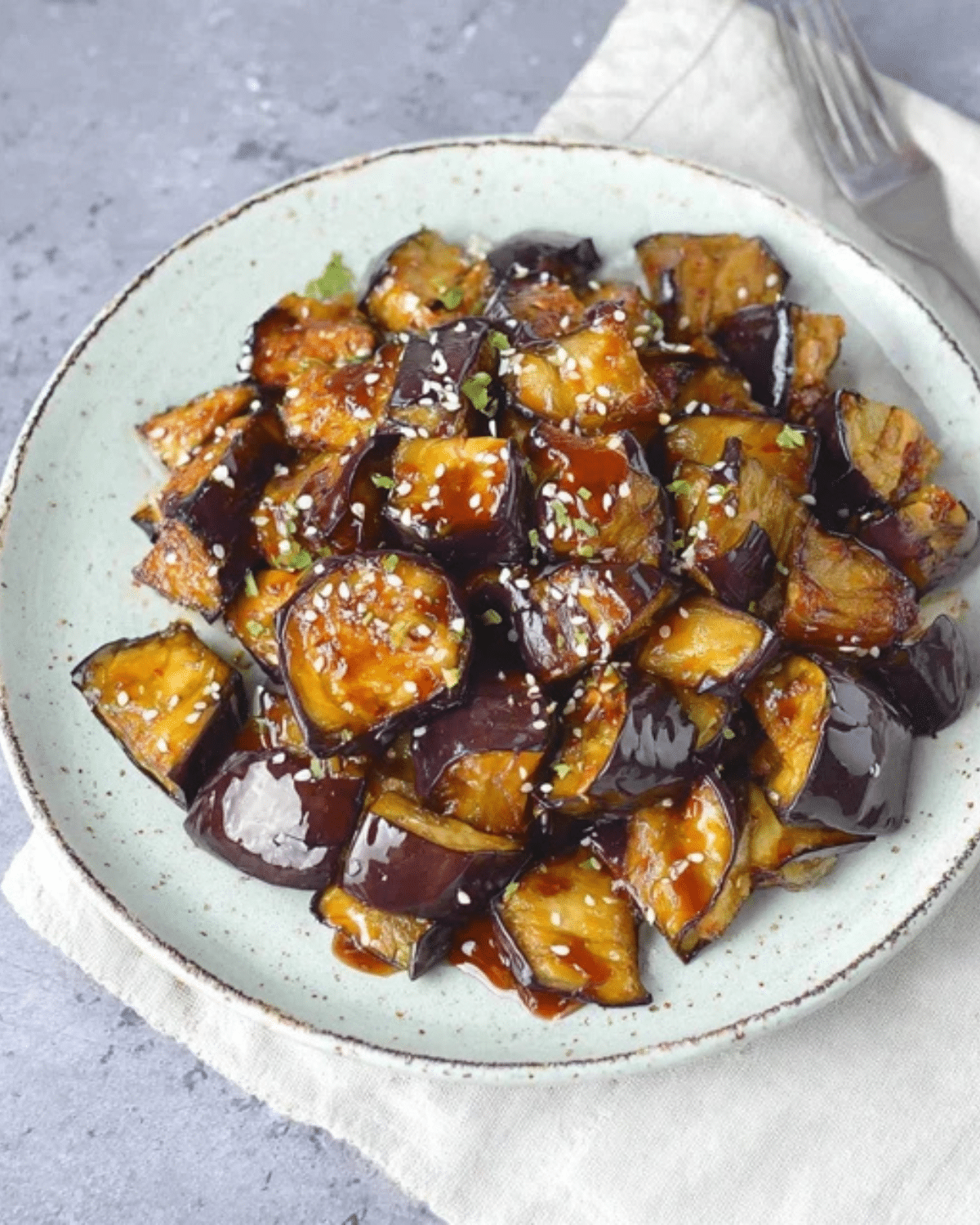
Sauteed Eggplant Recipe is one of the quickest and most delicious ways to cook eggplant on the stovetop. With just a handful of simple ingredients and the right technique, you can transform this humble vegetable into a golden, tender, and flavor-packed dish in under 20 minutes. Whether you’re looking for a healthy side dish, a vegan main, or a versatile ingredient to add to bowls and pasta, this sauteed eggplant recipe delivers every time.
Because eggplant absorbs flavors beautifully, sautéing it in olive oil with garlic and seasoning creates a creamy interior and lightly caramelized exterior. In this complete guide, you’ll learn how to cut eggplant properly, control oil absorption, avoid mushiness, and achieve perfectly browned cubes or slices.
Let’s begin by understanding why this method works so well.
JUMP TO
Table of Contents
Why This Sauteed Eggplant Recipe Works Every Time
Cooking eggplant can be tricky. However, once you understand its texture and how it reacts to heat and oil, success becomes easy.
The Secret to Perfectly Tender Eggplant
First, choosing the right eggplant matters. Look for one that feels firm, heavy for its size, and has smooth, shiny skin. Smaller to medium eggplants usually have fewer seeds and a milder flavor.
Next, cutting technique plays a key role. Uniform cubes or slices ensure even cooking. If pieces are uneven, some will overcook while others remain underdone.
Finally, controlling oil is essential. Because eggplant acts like a sponge, it can absorb too much oil if the pan isn’t properly heated. Therefore, always preheat your skillet before adding eggplant.
When these simple rules are followed, this sauteed eggplant recipe results in tender bites with beautifully browned edges.
Quick and Healthy Cooking Method
One reason people love this sauteed eggplant recipe is its simplicity. It requires minimal ingredients:
- Eggplant
- Olive oil
- Garlic
- Salt and pepper
Moreover, it’s naturally vegan, gluten-free, and low in carbs. Unlike breaded or fried versions, sautéing uses moderate oil while still creating rich flavor.
Because eggplant cooks quickly over medium-high heat, it makes an excellent weeknight vegetable option.
Flavor Profile and Texture
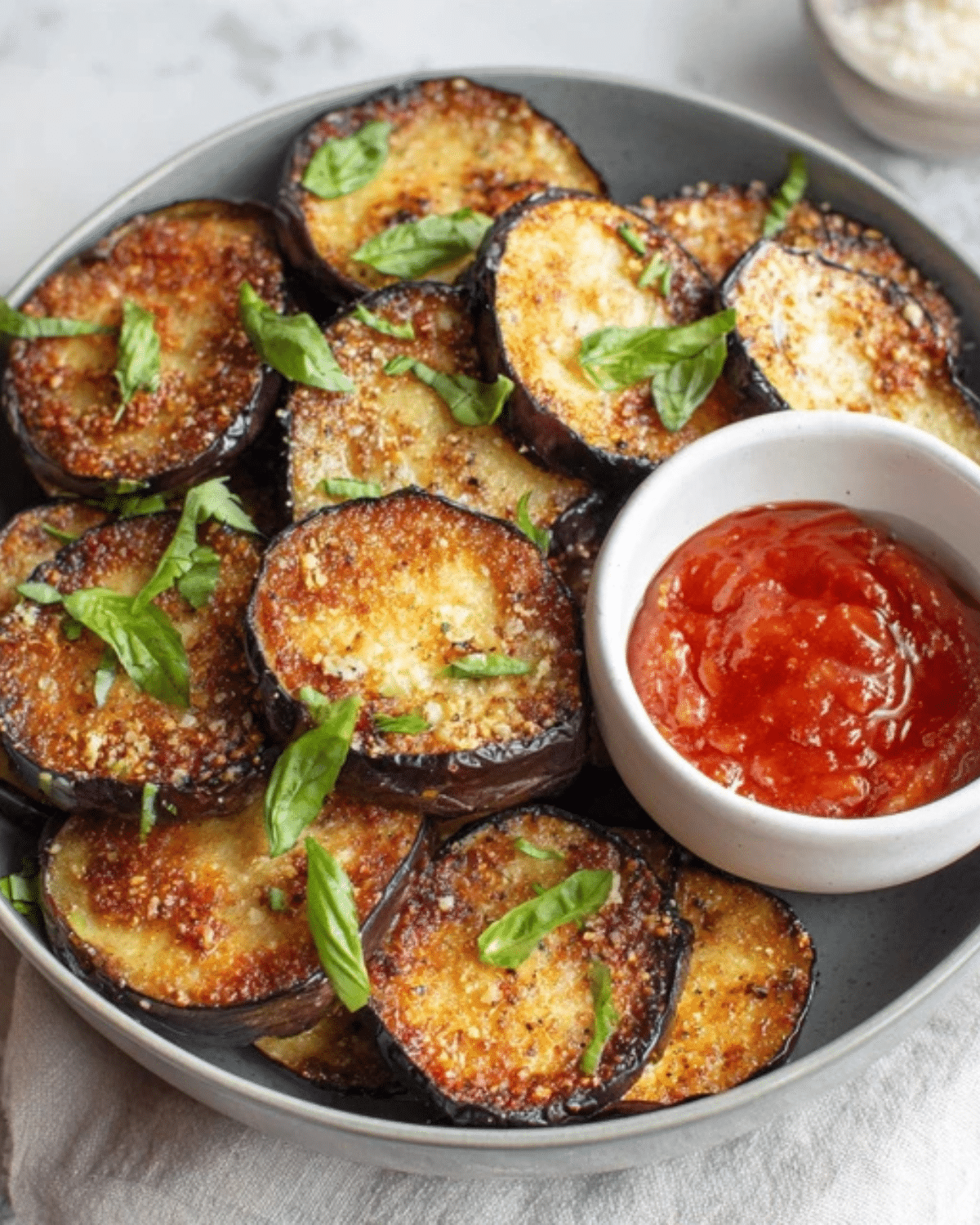
Properly cooked eggplant becomes creamy inside while maintaining a lightly crisp exterior. As it browns, natural sugars caramelize, creating subtle sweetness.
When garlic is added near the end, it infuses the dish with aromatic depth. A squeeze of lemon or sprinkle of fresh herbs brightens everything beautifully.
In short, this sauteed eggplant recipe balances richness and freshness perfectly.
Ingredients for Sauteed Eggplant Recipe
Before you start cooking, gather everything you need. Keeping ingredients ready makes the process smooth and efficient.

Essential Ingredients
For a basic skillet version, you’ll need:
- 1 large eggplant
- 2–3 tablespoons olive oil
- 2 cloves garlic, minced
- ½ teaspoon salt
- ¼ teaspoon black pepper
These simple ingredients allow the natural flavor of eggplant to shine.
Optional Flavor Add-Ins
While the base recipe is delicious on its own, you can easily customize it.
Consider adding:
- ¼ teaspoon red pepper flakes for heat
- 1 tablespoon fresh parsley
- 1 teaspoon lemon juice
- 1 teaspoon soy sauce for umami
- ½ teaspoon Italian seasoning
Because eggplant absorbs flavor so well, even small additions make a noticeable difference.
Ingredient Overview Table
| Ingredient | Quantity |
|---|---|
| Eggplant | 1 large |
| Olive oil | 2–3 tbsp |
| Garlic | 2 cloves |
| Salt | 1/2 tsp |
| Black pepper | 1/4 tsp |
These measurements provide balanced seasoning without overpowering the vegetable.
Step-by-Step Sauteed Eggplant Recipe
Now let’s walk through the cooking process step by step.
Step 1: Preparing the Eggplant
First, wash the eggplant and trim off the stem.
Next, cut it into 1-inch cubes or ½-inch thick slices. Try to keep pieces consistent in size for even cooking.
Optional salting method:
If your eggplant is large or slightly bitter, sprinkle cubes with salt and let them sit for 20–30 minutes. This draws out excess moisture. Afterward, pat dry with paper towels.
While modern eggplants are less bitter than older varieties, this step can still improve texture.
Step 2: Heating the Pan Properly
Place a large skillet over medium-high heat. Add olive oil and allow it to heat fully before adding eggplant.
A properly heated pan prevents excessive oil absorption. If oil is added to a cold pan, eggplant will soak it up quickly and become greasy.
Additionally, avoid overcrowding the skillet. If necessary, cook in batches. Crowding causes steaming instead of browning.
Step 3: Sautéing to Golden Perfection
Add eggplant cubes in a single layer.
Cook for about 8–10 minutes, stirring occasionally. Allow pieces to sit undisturbed for a few minutes at a time to develop golden caramelization.
If the pan becomes dry, add a small drizzle of oil rather than pouring too much at once.
You’ll know the sauteed eggplant recipe is ready when the cubes are golden brown outside and fork-tender inside.
Step 4: Final Seasoning and Finishing Touches
Reduce heat to medium.
Add minced garlic and sauté for 30–60 seconds until fragrant. Adding garlic at the end prevents burning.
Season with salt and pepper. If desired, finish with lemon juice, herbs, or red pepper flakes.
Serve immediately while warm for best texture.
Tips for the Best Sauteed Eggplant Recipe
Even though this sauteed eggplant recipe is simple, small adjustments can dramatically improve texture and flavor. Because eggplant behaves differently than most vegetables, understanding these tips ensures consistent results.
How to Prevent Eggplant from Becoming Mushy
Mushy eggplant usually happens for three reasons: low heat, overcrowding, or too much oil.
First, always cook over medium-high heat. High heat allows the outside to caramelize before the inside collapses. Second, give the eggplant space. If cubes are piled on top of each other, they steam instead of brown. Finally, avoid stirring constantly. Letting pieces sit undisturbed creates a golden crust.
When these steps are followed, your sauteed eggplant recipe will have a creamy center with beautifully browned edges instead of a soggy texture.
How to Reduce Oil Absorption
Eggplant naturally absorbs oil like a sponge. However, you can control this.
- Preheat the pan before adding eggplant.
- Use just enough oil to coat the surface.
- Add oil gradually if needed instead of all at once.
Additionally, some cooks lightly salt and pat dry the eggplant beforehand, which can reduce excess moisture and oil absorption.
When to Salt Eggplant
Salting eggplant before cooking used to be essential to remove bitterness. Modern varieties are much milder, so this step is optional.
However, salting still helps:
- Draw out moisture
- Improve texture
- Enhance browning
If you’re short on time, you can skip it. This sauteed eggplant recipe still works beautifully without pre-salting.
Storage and Reheating Tips
Leftover sauteed eggplant can be stored in an airtight container in the refrigerator for up to 4 days.
To reheat:
- Use a skillet over medium heat to restore texture
- Avoid microwaving if possible, as it can make eggplant soft
For best results, reheat quickly with a splash of olive oil to revive the caramelized edges.
Delicious Ways to Serve Sauteed Eggplant Recipe
One reason this sauteed eggplant recipe is so popular is its versatility. Because the flavor is mild and adaptable, it pairs with countless dishes.
As a Side Dish
Serve alongside grilled chicken, fish, tofu, or steak. A squeeze of lemon and sprinkle of fresh herbs makes it shine.
Tossed with Pasta
Mix sauteed eggplant into spaghetti with marinara sauce and fresh basil for a quick Italian-inspired dinner.
In Grain Bowls
Add to quinoa, rice, or farro bowls with roasted vegetables and tahini sauce.
As a Sandwich Filling
Layer inside pita bread with hummus, tomatoes, and cucumbers for a Mediterranean-style sandwich.
Added to Salads
Toss warm eggplant cubes into arugula or spinach salads for a hearty texture contrast.
Because this sauteed eggplant recipe is neutral yet flavorful, it fits into nearly any cuisine.
Frequently Asked Questions About Sauteed Eggplant Recipe
Do you need to peel eggplant before sautéing?
No. The skin softens during cooking and helps maintain structure. However, if the eggplant is very large or the skin seems tough, you can partially peel it.
Why does eggplant absorb so much oil?
Eggplant has a porous structure that soaks up oil quickly. Preheating the pan and using controlled oil amounts reduces absorption.
How long does sautéed eggplant last?
It stays fresh in the refrigerator for up to 4 days in an airtight container.
Is sautéed eggplant healthy?
Yes. Eggplant is low in calories and high in fiber and antioxidants. When cooked with moderate olive oil, it’s a nutritious addition to meals.
Conclusion: Why You’ll Love This Sauteed Eggplant Recipe
This sauteed eggplant recipe proves that simple ingredients can create bold flavor. With the right heat, proper spacing, and minimal seasoning, eggplant transforms into tender, golden bites that are both satisfying and versatile.
Because it cooks quickly and adapts easily to different cuisines, it’s perfect for busy weeknights or elegant dinners alike. Once you master this method, sautéed eggplant may become one of your favorite go-to vegetable dishes.
PrintSauteed Eggplant Recipe – Easy & Perfectly Tender

This Sauteed Eggplant Recipe delivers tender, golden-browned eggplant cooked in olive oil with garlic and simple seasonings. It’s a quick, healthy, and versatile stovetop dish perfect as a side or main addition.
- Prep Time: 10 minutes
- Cook Time: 10 minutes
- Total Time: 20 minutes
- Yield: 4 servings 1x
- Category: Side Dish
- Method: Sautéing
Ingredients
- 1 large eggplant, cut into 1-inch cubes or 1/2-inch slices
- 2–3 tablespoons olive oil
- 2 cloves garlic, minced
- 1/2 teaspoon salt
- 1/4 teaspoon black pepper
- Optional: 1/4 teaspoon red pepper flakes
- Optional: 1 tablespoon fresh parsley, chopped
- Optional: 1 teaspoon lemon juice
Instructions
- Wash and trim the eggplant. Cut into evenly sized cubes or slices.
- Optional: Sprinkle eggplant with salt and let sit for 20–30 minutes to draw out moisture. Pat dry.
- Heat a large skillet over medium-high heat and add olive oil. Allow oil to heat fully.
- Add eggplant in a single layer, avoiding overcrowding. Cook for 8–10 minutes, stirring occasionally, until golden brown and tender.
- Add minced garlic during the last 30–60 seconds of cooking and stir until fragrant.
- Season with salt, black pepper, and optional red pepper flakes.
- Remove from heat and finish with fresh parsley or a squeeze of lemon juice if desired. Serve warm.
Notes
- Preheating the pan helps prevent excessive oil absorption.
- Avoid overcrowding the skillet to ensure proper browning.
- Do not over-stir; let the eggplant sit to develop caramelization.
- Store leftovers in an airtight container for up to 4 days.
- Reheat in a skillet for best texture instead of microwaving.
Nutrition
- Serving Size: 1 serving
- Calories: 120
- Sugar: 4g
- Sodium: 220mg
- Fat: 9g
- Saturated Fat: 1.3g
- Unsaturated Fat: 7g
- Trans Fat: 0g
- Carbohydrates: 10g
- Fiber: 4g
- Protein: 2g
- Cholesterol: 0mg