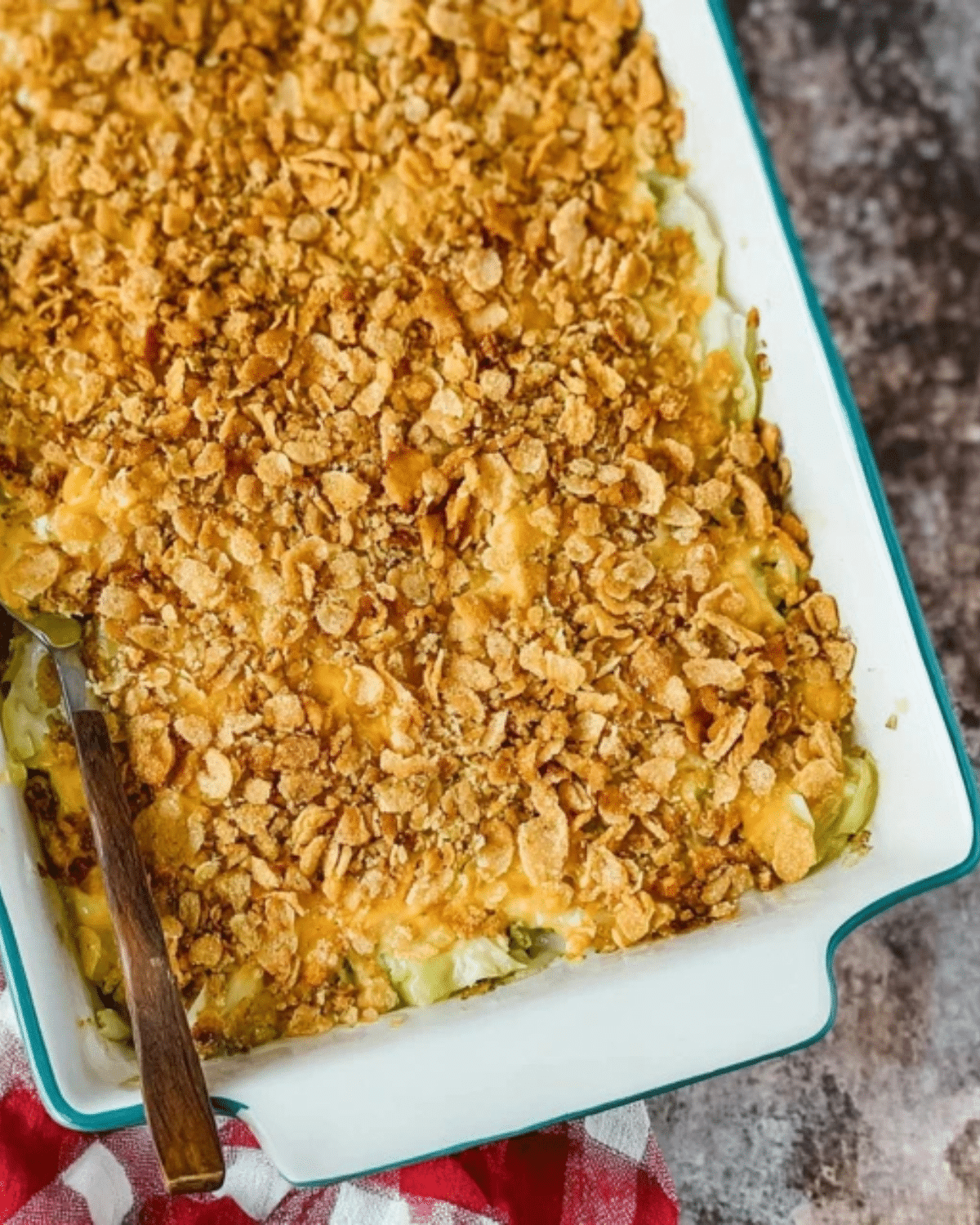
Scalloped Cabbage Casserole is one of those comforting dishes that quietly steals the show at the dinner table. Creamy, cheesy, and baked until perfectly tender, this classic cabbage casserole turns a humble vegetable into a rich and satisfying side dish. Whether you’re planning a holiday spread, a cozy family dinner, or simply trying to use up a head of cabbage, this scalloped cabbage casserole delivers big flavor with simple ingredients. In this guide, you’ll learn what makes this dish special, why it has stood the test of time, and how to prepare it the right way for consistent, delicious results.
JUMP TO
Table of Contents
What Is Scalloped Cabbage Casserole and Why It’s So Popular
Scalloped Cabbage Casserole is a baked dish made by layering tender cabbage with a creamy sauce, often finished with cheese or buttery crumbs. While it may sound simple, the final result is rich, hearty, and deeply comforting. Over the years, this scalloped cabbage recipe has earned a place at family gatherings, potlucks, and holiday meals across the United States.
The Origin of Scalloped Cabbage Recipes
The term “scalloped” refers to foods baked in a creamy sauce, traditionally made with milk or cream. Scalloped cabbage casserole became popular in home kitchens because cabbage was affordable, widely available, and filling. Many old-fashioned cabbage casserole recipes were passed down through generations, especially in Southern and Midwestern households where comfort food reigned supreme.
Why Cabbage Casseroles Are Trending Again
Recently, cabbage casseroles have made a strong comeback. Home cooks are rediscovering cabbage because it’s budget-friendly, nutritious, and incredibly versatile. Scalloped cabbage casserole fits perfectly into modern cooking trends since it can be adapted for low-carb, keto, or gluten-free diets without losing flavor. Plus, it’s an easy oven-baked cabbage dish that feeds a crowd with very little effort.
How Scalloped Cabbage Casserole Differs From Scalloped Potatoes
Although both dishes use a creamy sauce, cabbage casserole is lighter and less starchy than scalloped potatoes. Cabbage softens beautifully when baked, soaking up the sauce while still holding its shape. This creates a tender, melt-in-your-mouth texture that feels indulgent without being overly heavy, making it an ideal vegetable side dish for rich main courses.
Ingredients Needed for Scalloped Cabbage Casserole
Scalloped Cabbage Casserole works so well because it relies on simple, everyday ingredients that come together in a surprisingly rich way. You don’t need anything fancy, yet each ingredient plays a key role in building flavor, texture, and creaminess. When combined properly, these basics turn cabbage into a comforting baked casserole that feels anything but boring.
Simple Pantry Ingredients You Already Have
Most versions of scalloped cabbage casserole start with green cabbage, butter, milk, and flour. These ingredients form the base of the creamy sauce that coats every layer of cabbage. Onion is often added for depth, while salt and black pepper keep the flavors balanced. Because this cabbage casserole is oven baked, a little butter goes a long way in enhancing richness without overwhelming the dish.
Here is a quick overview of the core ingredients and their purpose:
| Ingredient | Purpose in the Recipe |
|---|---|
| Green cabbage | Main vegetable, becomes tender and sweet |
| Butter | Adds richness and flavor |
| Milk or cream | Creates the creamy scalloped sauce |
| Flour | Thickens the sauce |
| Onion | Adds savory depth |
| Salt and pepper | Enhances overall taste |
| Cheese (optional) | Adds creaminess and sharp flavor |
Best Cabbage Types for Scalloped Cabbage Casserole
Green cabbage is the most popular choice for scalloped cabbage casserole because it softens evenly and has a mild flavor that absorbs the sauce well. Napa cabbage can also work if you prefer a softer texture, although it cooks faster and may release more moisture. Red cabbage is not recommended for this dish since its color can bleed into the sauce and change the final appearance.
For best results, choose a firm head of cabbage with tightly packed leaves. Fresh cabbage ensures the casserole bakes evenly and doesn’t turn watery.
Cheese, Dairy, and Seasoning Options Explained
Cheese is optional, but many people prefer a cheesy cabbage casserole for extra comfort. Sharp cheddar is the most common choice because it melts smoothly and adds a bold flavor. Parmesan can be sprinkled on top for a golden finish, while mozzarella creates a milder, stretchy texture.
When it comes to dairy, whole milk offers a good balance, but heavy cream makes the casserole richer. For seasoning, simple is best. Salt, black pepper, and a pinch of nutmeg or garlic powder can elevate the dish without overpowering the cabbage.
How to Make Scalloped Cabbage Casserole Step by Step
Making scalloped cabbage casserole is straightforward, yet each step matters. Taking a little care during preparation ensures the final dish is creamy, well-seasoned, and perfectly baked.
Preparing the Cabbage the Right Way
Start by removing the outer leaves of the cabbage and slicing it into thick strips or bite-sized pieces. Before baking, the cabbage is usually parboiled for a few minutes. This step softens the cabbage slightly and removes excess bitterness. After boiling, be sure to drain it very well. Excess water is the main reason cabbage casseroles turn out watery.
Making the Creamy Sauce
The sauce is what defines a true scalloped cabbage casserole. Melt butter in a saucepan, then stir in flour to create a smooth roux. Slowly add milk while whisking constantly to avoid lumps. As the sauce thickens, season it with salt and pepper. If you’re adding cheese, stir it in at the end until fully melted and smooth.
Layering and Baking for Perfect Texture
Grease a baking dish lightly with butter. Add a layer of cabbage, then spoon some sauce over it. Continue layering until all the cabbage and sauce are used, finishing with sauce on top. Bake the casserole uncovered until it’s bubbling and lightly golden. This baking process allows the cabbage to absorb the creamy sauce while developing a soft yet structured texture.

Tips to Make the Best Scalloped Cabbage Casserole Every Time
Scalloped Cabbage Casserole may be simple, but a few smart techniques can take it from average to unforgettable. Small adjustments in preparation and baking make a big difference in flavor and texture, especially when working with cabbage.
Avoiding Watery Scalloped Cabbage Casserole
The most common issue with scalloped cabbage casserole is excess moisture. Cabbage naturally releases water as it cooks, so draining it thoroughly after parboiling is essential. Letting the cabbage steam dry for a few minutes before layering also helps. In addition, using a properly thickened sauce ensures the casserole sets instead of turning soupy.
Getting a Golden, Bubbly Top
For a beautifully baked scalloped cabbage casserole, bake it uncovered during the final stage. This allows moisture to evaporate and encourages browning. A light sprinkle of cheese or buttered crumbs on top helps create that golden finish everyone loves. Baking until the edges bubble is a clear sign the casserole is ready.
Common Mistakes and How to Fix Them
Overcooking the cabbage before baking can make it mushy, while under-seasoning can leave the dish bland. Always taste the sauce before assembling the casserole and adjust seasoning as needed. If the casserole seems too thick before baking, add a splash of milk to loosen it slightly.
Variations of Scalloped Cabbage Casserole
One reason scalloped cabbage casserole remains popular is how easy it is to customize. With a few tweaks, you can adapt it to suit different diets and preferences.
Cheesy Scalloped Cabbage Casserole
Adding extra cheese transforms this dish into a rich, indulgent side. Sharp cheddar brings bold flavor, while a mix of cheddar and mozzarella creates a creamy texture. This variation is especially popular during holidays and potlucks.
Keto and Low-Carb Scalloped Cabbage Casserole
Cabbage is naturally low in carbs, making this casserole a great substitute for scalloped potatoes. To keep it keto-friendly, replace flour with a low-carb thickener and use heavy cream instead of milk. The result is a satisfying, low-carb cabbage casserole that still feels indulgent.
Serving, Storage, and Reheating Tips
Scalloped Cabbage Casserole is versatile enough to serve on many occasions, from casual dinners to festive gatherings.
What to Serve With Scalloped Cabbage Casserole
This cabbage casserole pairs well with roasted chicken. It also works beautifully alongside other vegetable dishes, making it a balanced addition to any meal.
How to Store Leftovers Safely
Allow the casserole to cool completely before storing. Cover it tightly and refrigerate for up to three days. Proper storage helps maintain flavor and texture.
Reheating Without Drying It Out
When reheating scalloped cabbage casserole, cover it loosely with foil and warm it in the oven. Adding a small splash of milk before reheating helps restore creaminess and prevents dryness.
Frequently Asked Questions About Scalloped Cabbage Casserole
Can I make scalloped cabbage casserole ahead of time?
Yes, you can assemble the casserole a day in advance and refrigerate it. Bake it just before serving for the best texture.
Is scalloped cabbage casserole healthy?
Cabbage is rich in fiber and vitamins. While the sauce adds richness, the dish can be adjusted with lighter dairy to fit a balanced diet. According to the USDA, cabbage is low in calories and high in nutrients, making it a smart vegetable choice.
Can I freeze scalloped cabbage casserole?
Freezing is possible, but the texture may change slightly due to the dairy. For best results, freeze before baking and bake fresh when ready.
Why is my cabbage casserole bitter?
Bitterness usually comes from undercooked cabbage. Parboiling the cabbage before baking helps mellow its flavor.
Conclusion: Why Scalloped Cabbage Casserole Belongs on Your Table
Scalloped Cabbage Casserole proves that simple ingredients can create something truly comforting. Creamy, tender, and endlessly adaptable, this classic cabbage casserole fits just as well on a holiday table as it does in a weeknight meal plan. Whether you keep it traditional or customize it with cheese, or low-carb swaps, scalloped cabbage casserole is a timeless dish worth making again and again.
For more background on cabbage nutrition and preparation, you can explore this authoritative resource from the USDA on cabbage and leafy vegetables.
PrintScalloped Cabbage Casserole: The Best 7 Easy Tips

Scalloped Cabbage Casserole is a creamy, oven-baked comfort dish made with tender cabbage layered in a rich sauce, perfect as a cozy side or vegetarian main.
- Prep Time: 15 minutes
- Cook Time: 40 minutes
- Total Time: 55 minutes
- Yield: 6 servings 1x
Ingredients
- 1 large head green cabbage, chopped
- 3 tablespoons butter
- 3 tablespoons all-purpose flour
- 2 cups whole milk
- 1 cup shredded sharp cheddar cheese
- 1 small onion, finely chopped
- 1 teaspoon salt
- 1/2 teaspoon black pepper
- 1/4 teaspoon garlic powder
- 1/8 teaspoon ground nutmeg (optional)
Instructions
- Preheat the oven to 350°F (175°C).
- Bring a large pot of salted water to a boil and parboil the chopped cabbage for 5 minutes, then drain very well.
- In a saucepan, melt butter over medium heat and sauté the chopped onion until soft.
- Stir in flour and cook for 1 minute, then slowly whisk in milk until smooth and thickened.
- Add salt, pepper, garlic powder, nutmeg, and stir in shredded cheese until melted.
- Lightly grease a baking dish and layer cabbage and sauce, finishing with sauce on top.
- Bake uncovered for 35 to 40 minutes until bubbly and lightly golden.
- Let rest for 5 minutes before serving.
Notes
- Drain the cabbage thoroughly to prevent a watery casserole.
- You can substitute heavy cream for milk for a richer texture.
- Add breadcrumbs or extra cheese on top for a crispier finish.
- This dish can be assembled ahead and baked just before serving.
Nutrition
- Serving Size: 1 serving
- Calories: 210 kcal
- Sugar: 7 g
- Sodium: 420 mg
- Fat: 14 g
- Saturated Fat: 8 g
- Unsaturated Fat: 5 g
- Trans Fat: 0 g
- Carbohydrates: 15 g
- Fiber: 4 g
- Protein: 8 g
- Cholesterol: 40 mg