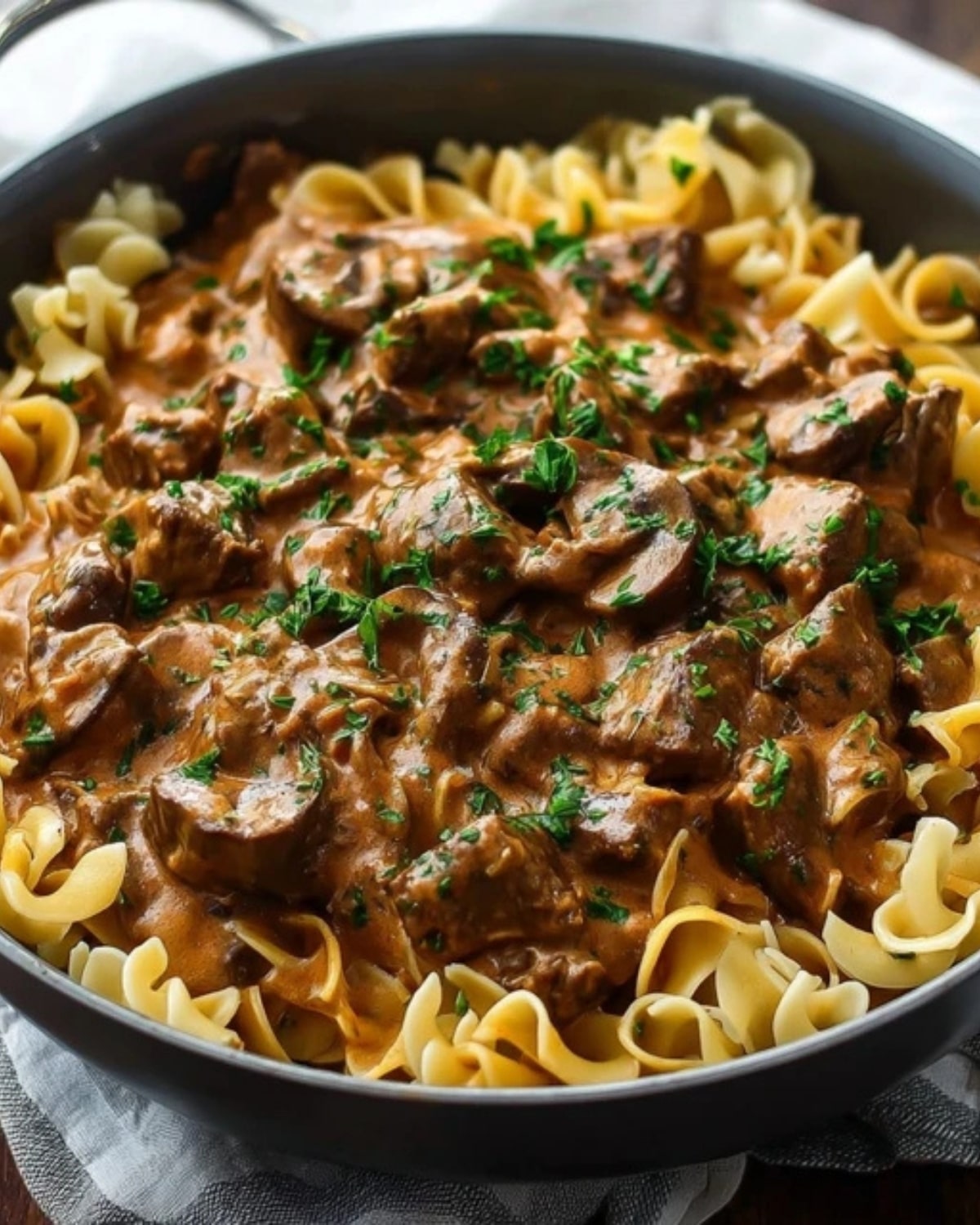

Spinach Egg Muffins are a simple, nutritious solution for busy mornings. Made with eggs, fresh spinach, and flavorful add-ins, these baked egg cups deliver protein, vegetables, and energy in one convenient bite. They’re easy to prepare, easy to store, and perfect for meal prep.
What makes spinach egg muffins so appealing is their versatility. You can customize them with different cheeses, vegetables, or proteins while keeping the base recipe quick and reliable. Whether you’re planning weekday breakfasts or looking for a healthy snack, these egg muffins fit seamlessly into a balanced routine.
JUMP TO
Table of Contents
Why Spinach Egg Muffins Are a Healthy Breakfast Choice
What Makes Egg Muffins Nutritious and Filling
Egg muffins are naturally high in protein, which helps keep you full longer and supports steady energy throughout the morning. Because they’re baked rather than fried, they’re lighter while still satisfying.
Eggs also provide essential nutrients like vitamin D, choline, and healthy fats. When baked into muffin form, portion control becomes effortless, making egg muffins a smart option for mindful eating.
Benefits of Adding Spinach to Egg Muffins
Spinach adds more than just color. It’s rich in iron, fiber, and antioxidants, making it a valuable addition to any breakfast. When combined with eggs, spinach boosts nutritional value without adding extra calories.
Because spinach wilts down easily, it blends seamlessly into the egg mixture, ensuring every bite includes greens without overpowering the flavor.
Ideal Occasions for Spinach Egg Muffins
Spinach egg muffins are perfect for meal prep, grab-and-go breakfasts, and even brunch spreads. They’re portable, mess-free, and reheat well, which makes them ideal for busy schedules.
They also work as a post-workout snack or a light lunch paired with a salad. Their flexibility is what makes them such a dependable recipe.
Ingredients Needed for Spinach Egg Muffins
One of the best things about spinach egg muffins is how simple and flexible the ingredient list is. You likely already have most of what you need, and any extras can be swapped based on taste or dietary needs.
Eggs and Dairy Options
Eggs form the base of this recipe, providing structure, protein, and richness. Large eggs work best because they offer the right balance of liquid and fat.
Dairy adds creaminess and helps prevent the muffins from drying out during baking. While milk is optional, it improves texture and keeps the egg muffins soft.
Common choices include:
- Whole milk for richness
- Low-fat milk for a lighter option
- Half-and-half for extra creaminess
If you prefer dairy-free spinach egg muffins, unsweetened almond milk or oat milk works well and won’t affect flavor.
Spinach and Vegetable Additions
Spinach is the star ingredient. Fresh spinach is ideal because it wilts quickly and blends evenly into the eggs. However, frozen spinach can also be used if fully thawed and squeezed dry to remove excess moisture.
Vegetables add texture, flavor, and nutrients. Keep them finely chopped so they cook evenly inside the muffins.
Popular vegetable add-ins include:
- Diced bell peppers
- Chopped onions or scallions
- Mushrooms, sautéed first
- Zucchini, finely shredded and drained
The key is avoiding watery vegetables see next sections for tips on moisture control.
Cheese and Seasoning Choices
Cheese adds flavor and helps bind the egg mixture. Soft and semi-hard cheeses melt best and distribute evenly.
Great cheese options include:
- Feta (classic with spinach)
- Cheddar
- Monterey Jack
- Mozzarella
Seasoning is simple but important. Salt, black pepper, and garlic powder are usually enough. You can also add smoked paprika, Italian seasoning, or red pepper flakes for extra depth.
Optional Add-Ins and Substitutions
Spinach egg muffins are endlessly customizable. If you want to boost protein or flavor, consider adding:
| Add-In | Benefit |
|---|---|
| Cooked bacon or sausage | Adds protein and savory flavor |
| Turkey or chicken | Lean protein option |
| Sun-dried tomatoes | Intense flavor |
| Fresh herbs | Brightness and aroma |
For low-carb or keto-friendly versions, simply skip starchy vegetables and stick to greens, cheese, and protein.
How to Make Spinach Egg Muffins Step by Step
This recipe is straightforward and beginner-friendly. With a few simple steps, you’ll have fluffy, flavorful egg muffins ready to enjoy.
Preparing the Muffin Pan
Start by preheating the oven to 375°F. Proper oven temperature ensures even cooking without drying out the eggs.
Grease a standard muffin tin generously using oil spray or melted butter. Silicone muffin pans also work well and make removal easier.
Proper greasing is essential because eggs naturally stick to metal surfaces.
Mixing the Egg Base
Crack the eggs into a large mixing bowl. Whisk until the yolks and whites are fully combined and slightly frothy. This step helps create lighter, fluffier spinach egg muffins.
Add milk, salt, pepper, and any seasonings you’re using. Whisk again until smooth.
Next, fold in the chopped spinach, vegetables, and cheese. Stir gently so everything is evenly distributed without overmixing.

Filling and Baking the Egg Muffins
Using a ladle or measuring cup, divide the egg mixture evenly among the muffin cups. Fill each cup about three-quarters full to allow room for expansion.
Bake for 18–22 minutes, or until the centers are set and the tops are slightly puffed. A toothpick inserted in the center should come out clean.
Let the muffins cool in the pan for 5 minutes before removing. They will deflate slightly as they cool, which is normal.
Tips for the Best Spinach Egg Muffins
Making great spinach egg muffins is easy, but a few smart techniques can take them from good to excellent. Because eggs are delicate, small adjustments in prep and baking make a noticeable difference in texture and flavor.
How to Avoid Watery Egg Muffins
Watery egg muffins are one of the most common issues, and they usually come from excess moisture. Spinach and other vegetables naturally release water as they cook, which can affect the final texture.
To prevent this, always sauté fresh spinach briefly before adding it to the egg mixture. This allows excess moisture to evaporate. If you’re using frozen spinach, thaw it completely and squeeze it dry using a clean kitchen towel.
Vegetables like mushrooms and zucchini should also be cooked first. Removing moisture before baking ensures the muffins stay firm and fluffy rather than soggy.
Getting Fluffy Egg Muffins Every Time
For lighter texture, whisk the eggs thoroughly before adding other ingredients. Incorporating air at this stage helps the muffins rise slightly as they bake.
Adding a small amount of milk or dairy-free alternative also improves softness. Avoid overbaking, since eggs continue to cook slightly after being removed from the oven. Pulling the muffins out as soon as the centers are set keeps them tender.
Common Baking Mistakes to Avoid
Overfilling the muffin cups can cause uneven cooking or overflow. Filling each cup about three-quarters full is ideal.
Another common mistake is baking at too high a temperature. While higher heat may seem faster, it can cause the edges to overcook while the centers remain soft. A moderate oven temperature ensures even results.
Spinach Egg Muffin Variations
One of the biggest advantages of this recipe is how easily it adapts to different tastes and diets. With a few changes, you can create several versions without changing the base method.
Spinach Feta Egg Muffins
Spinach and feta are a classic pairing. Feta adds tanginess and creaminess without overpowering the eggs. Because feta is slightly salty, reduce added salt when using it.
This variation works especially well for Mediterranean-style breakfasts or brunch spreads.
Dairy-Free and Paleo Options
For dairy-free versions, simply skip the cheese or use a plant-based alternative. Unsweetened almond milk or oat milk works well in the egg mixture.
To keep the muffins paleo-friendly, avoid dairy entirely and focus on vegetables, herbs, and optional meat add-ins like turkey or chicken sausage.
Adding Protein or Extra Vegetables
If you want a more filling option, adding cooked protein is an easy upgrade. Crumbled turkey sausage, diced chicken, or cooked bacon all work well.
Extra vegetables like broccoli, tomatoes, or onions can also be added, as long as they’re cooked first to remove moisture. Balancing vegetables and eggs ensures the muffins hold together properly.
Storage, Freezing, and Reheating Tips
These muffins are ideal for meal prep, which is one of the reasons they’re so popular for busy schedules.
How to Store Spinach Egg Muffins
Once cooled, store the muffins in an airtight container in the refrigerator. They’ll stay fresh for up to four days.
Placing a paper towel in the container helps absorb moisture and keeps the muffins from becoming soggy.
Can Spinach Egg Muffins Be Frozen
Yes, these muffins freeze very well. Let them cool completely, then wrap each one individually or store them in a freezer-safe container.
They can be frozen for up to two months. Freezing makes them especially convenient for long-term meal prep.
Best Way to Reheat Egg Muffins
For refrigerated muffins, reheating in the microwave for 20–30 seconds usually works well. For frozen muffins, microwave for 60–90 seconds, flipping halfway through.
If reheating multiple muffins, using the oven at 325°F helps preserve texture and prevents rubbery eggs.
FAQs About Spinach Egg Muffins
Can Spinach Egg Muffins Be Made Ahead of Time?
Yes, they’re perfect for making ahead. Bake them fully, allow them to cool, and store them in the fridge or freezer until ready to eat.
How Long Do Egg Muffins Last?
When refrigerated, they last up to four days. Frozen muffins last up to two months when stored properly.
Can I Use Egg Whites Only?
You can use egg whites, but the texture will be firmer and less rich. If using only whites, adding a little extra milk helps improve softness.
How Do I Keep Egg Muffins from Sticking?
Greasing the muffin pan generously is essential. Silicone muffin trays also make removal much easier and require less oil.
Conclusion: Easy Spinach Egg Muffins for Busy Mornings
Spinach Egg Muffins are a reliable, nutritious option for anyone looking to simplify breakfast without sacrificing flavor or quality. They’re easy to prepare, endlessly customizable, and perfect for meal prep.
Whether you enjoy them fresh from the oven or reheated during the week, these baked egg cups deliver protein, vegetables, and convenience in every bite. Once you add them to your routine, they’re likely to become a breakfast staple you’ll return to again and again.
PrintSpinach Egg Muffins : Healthy, Easy, and Perfect for Meal Prep

Easy baked spinach egg muffins made with eggs, fresh spinach, and simple seasonings, perfect for a healthy make-ahead breakfast or snack.
- Prep Time: 10 minutes
- Cook Time: 20 minutes
- Total Time: 30 minutes
- Yield: 12 muffins 1x
- Category: Breakfast
- Method: Baking
- Cuisine: American
- Diet: Vegetarian
Ingredients
- 10 large eggs
- 1 cup fresh spinach, finely chopped
- 1/4 cup milk (or unsweetened almond milk)
- 1/2 cup shredded cheese (cheddar, feta, or mozzarella)
- 1/4 teaspoon salt
- 1/4 teaspoon black pepper
- 1/4 teaspoon garlic powder
- Optional: 1/4 cup diced bell peppers or onions
Instructions
- Preheat the oven to 375°F and generously grease a 12-cup muffin pan.
- In a large bowl, whisk the eggs until fully combined and slightly frothy.
- Add milk, salt, pepper, and garlic powder, then whisk again.
- Fold in chopped spinach, cheese, and any optional vegetables.
- Divide the mixture evenly among the muffin cups, filling each about three-quarters full.
- Bake for 18–22 minutes, until the centers are set and lightly puffed.
- Remove from the oven and let cool for 5 minutes before removing from the pan.
- Serve warm or allow to cool completely for storage.
Notes
- Sauté spinach briefly to remove excess moisture if desired.
- Use silicone muffin pans for easier removal.
- Egg muffins will deflate slightly as they cool.
- Store leftovers in the refrigerator or freezer for meal prep.
Nutrition
- Serving Size: 1 muffin
- Calories: 95
- Sugar: 1g
- Sodium: 160mg
- Fat: 6g
- Saturated Fat: 2g
- Unsaturated Fat: 3.5g
- Trans Fat: 0g
- Carbohydrates: 2g
- Fiber: 0.5g
- Protein: 7g
- Cholesterol: 155mg