
Canning pickles recipe methods have been trusted for generations, and for good reason. When done properly, they give you crunchy, tangy, shelf-stable dill pickles that taste far better than store-bought jars. If you’ve ever wanted to preserve fresh cucumbers at their peak, this complete guide will walk you through every safe and simple step.
Not only does this canning pickles recipe help you reduce food waste during cucumber season, but it also allows you to control the salt, garlic, and dill levels exactly how you like them. Moreover, once you understand the basics of water bath canning, you can confidently preserve other vegetables too—just like in this delicious Pickled Beet Salad Recipe.
In this guide, you’ll learn how to choose the right cucumbers, prepare a balanced pickle brine, safely process jars, and store your homemade dill pickles for up to a year. So let’s get started.
JUMP TO
Table of Contents
Why This Canning Pickles Recipe Works Every Time
A reliable canning pickles recipe depends on three key factors: fresh cucumbers, proper acidity, and correct processing time. When those elements align, your pickles turn out crisp, flavorful, and safe for long-term storage.
The Secret to Perfectly Crisp Dill Pickles
First things first—cucumber choice matters more than anything else. Always use pickling cucumbers, sometimes labeled as Kirby cucumbers. They are shorter, firmer, and have thinner skin compared to slicing cucumbers. Because of that, they hold their crunch much better during processing.
In addition, freshness is crucial. Ideally, cucumbers should be canned within 24 hours of picking. The longer they sit, the softer they become. If you can’t can them immediately, refrigerate them without washing.
Another important step is trimming the blossom end of each cucumber. This tiny detail makes a huge difference. The blossom end contains enzymes that can soften pickles over time. By removing about 1/16 inch from that end, you dramatically improve texture.
Finally, avoid over-processing. While water bath canning is essential for safety, extended boiling can soften cucumbers. Stick to the recommended timing for best results.
Understanding Safe Pickle Canning Guidelines
Because cucumbers are naturally low-acid, they must be preserved in a high-acid brine to be safely water bath canned. That’s where vinegar comes in.
For a safe canning pickles recipe:
- Use vinegar with at least 5% acidity
- Maintain the tested vinegar-to-water ratio
- Process jars in a boiling water bath
- Adjust time based on altitude
The vinegar raises acidity to a safe level, preventing harmful bacteria growth. Therefore, you should never dilute vinegar beyond tested measurements. Even if you prefer milder pickles, the acidity must remain unchanged for safety.
Benefits of Homemade Canned Pickles
Although store-bought pickles are convenient, homemade versions offer clear advantages.
First, you avoid artificial preservatives and unnecessary additives. Second, you control the flavor—more garlic, extra dill, or a hint of spice. Third, it’s cost-effective during peak cucumber season.
Most importantly, this canning pickles recipe gives you pantry-ready jars that last up to 12 months unopened. That means fresh summer flavor even in the middle of winter.
Ingredients for the Best Canning Pickles Recipe
Now that you understand why this method works, let’s gather everything you need. Preparation makes the process smooth and stress-free.

Essential Ingredients for Dill Pickles
For about 4 pint jars, you’ll need:
- 3–4 pounds pickling cucumbers
- 2 ½ cups white vinegar (5% acidity)
- 2 ½ cups water
- ¼ cup pickling salt
- 4 heads fresh dill or 4 teaspoons dill seeds
- 4 garlic cloves
White distilled vinegar keeps the brine clear and gives a classic dill pickle flavor. While apple cider vinegar may be used, ensure it also contains 5% acidity.
Pickling salt is recommended because it dissolves cleanly and does not contain anti-caking agents that can cloud brine.
Optional Flavor Add-Ins
If you’d like to customize your canning pickles recipe, consider adding:
- 1 teaspoon mustard seeds per jar
- ½ teaspoon whole black peppercorns
- ¼ teaspoon red pepper flakes (for heat)
- 1 bay leaf per jar
These additions enhance flavor without affecting safety, as long as the vinegar ratio stays the same.
Pickle Brine Ratio Table
| Ingredient | Quantity (For 4 Pint Jars) |
|---|---|
| Pickling cucumbers | 3–4 lbs |
| White vinegar (5%) | 2 ½ cups |
| Water | 2 ½ cups |
| Pickling salt | ¼ cup |
| Fresh dill | 4 heads |
| Garlic cloves | 4 |
This balanced brine ensures proper acidity and a classic garlic dill pickle flavor.
Step-by-Step Canning Pickles Recipe
Now comes the fun part—turning fresh cucumbers into crisp, shelf-stable pickles.
Step 1: Preparing the Cucumbers
Begin by washing cucumbers thoroughly under cool running water. Even if they look clean, dirt can hide in the crevices.
Next, trim about 1/16 inch from the blossom end. This small cut helps maintain crunch during storage.
You can leave cucumbers whole, cut them into spears, or slice them into rounds. However, keep pieces uniform for even brine absorption.
For extra crispness, some home canners soak cucumbers in ice water for 2–4 hours before packing. While optional, it can noticeably improve texture.
Step 2: Preparing the Brine
In a stainless-steel pot, combine:
- White vinegar
- Water
- Pickling salt
Bring the mixture to a gentle boil, stirring until the salt completely dissolves. Because proper acidity is vital in any canning pickles recipe, do not adjust the vinegar-to-water ratio.
Keep the brine hot while preparing jars.
Step 3: Sterilizing Jars Properly
Before filling, wash jars in hot soapy water and rinse thoroughly. Then place them in a boiling water canner for 10 minutes to sterilize.
Keep jars hot until ready to fill. Hot jars prevent cracking when adding hot brine.
Lids should be washed and kept warm according to manufacturer instructions.
Step 4: Packing and Processing the Pickles
Now, carefully pack each hot jar:
- Place dill and garlic at the bottom.
- Pack cucumbers tightly but without crushing them.
- Pour hot brine over cucumbers, leaving ½ inch headspace.
- Remove air bubbles with a non-metal utensil.
- Wipe rims clean and apply lids fingertip tight.
Place jars into the boiling water bath canner, ensuring water covers jars by at least 1 inch.
Process according to altitude:
| Altitude | Processing Time |
|---|---|
| 0–1,000 ft | 10 minutes |
| 1,001–6,000 ft | 15 minutes |
| Above 6,000 ft | 20 minutes |
Once processing time is complete, turn off heat and let jars sit for 5 minutes before removing.
Step 5: Cooling and Seal Check
Remove jars carefully and place them on a towel. Let them cool undisturbed for 12–24 hours.
After cooling:
- Press the center of each lid
- Ensure it does not flex up and down
- Remove bands and test the seal
If sealed properly, label jars with the date and store them in a cool, dark place.
Your canning pickles recipe is now complete. However, for best flavor, allow pickles to sit for at least 2–3 weeks before opening. During this time, the garlic, dill, and brine fully infuse the cucumbers.
Water Bath Canning Pickles Safely
Understanding why this canning pickles recipe works is just as important as following the steps. Once you know the science behind it, you can can confidently and safely every time.
Why Pickles Are Safe for Water Bath Canning
Cucumbers themselves are low-acid vegetables. However, when submerged in a properly measured vinegar brine, they become high-acid foods. That acidity is what makes this canning pickles recipe safe for water bath processing.
For safe pickle canning:
- Vinegar must be 5% acidity
- The vinegar-to-water ratio must remain unchanged
- Jars must be fully submerged during processing
According to the National Center for Home Food Preservation, high-acid foods like properly pickled cucumbers are safe for boiling water bath canning when tested recipes are followed. Because acidity prevents the growth of harmful bacteria, maintaining the correct brine ratio is absolutely essential.
Altitude Processing Time Guide
Since water boils at lower temperatures at higher elevations, processing time must increase with altitude. Therefore, always adjust if you live above 1,000 feet.
| Altitude | Processing Time |
|---|---|
| 0–1,000 ft | 10 minutes |
| 1,001–6,000 ft | 15 minutes |
| Above 6,000 ft | 20 minutes |
Start timing only when the water reaches a full rolling boil. If the boil stops at any time, bring it back to a boil and restart the timing. Although it may feel strict, this ensures your canning pickles recipe remains safe and shelf stable.
How Long Do Canned Pickles Last?
One of the biggest advantages of this canning pickles recipe is long shelf life. When jars seal properly and are stored correctly, they last up to 12 months unopened.
However, once opened, jars must be refrigerated and used within 3–4 weeks for best quality.
Shelf Life and Storage Tips
For maximum freshness:
- Store jars in a cool, dark place (50–70°F)
- Keep away from direct sunlight
- Avoid humid areas
Because heat and light gradually degrade quality, pantry shelves or kitchen cabinets work best.
Signs of Spoiled Pickles
Although rare when processed properly, always inspect jars before eating.
Discard if you notice:
- Bulging or leaking lids
- Cloudy brine not caused by spices
- Unpleasant odor
- Mold growth
If anything looks questionable, do not taste it. Food safety always comes first.
Expert Tips for Crunchy, Flavorful Pickles
Even though this canning pickles recipe is beginner-friendly, small adjustments can elevate your results dramatically.
How to Keep Pickles Crisp
Crispness depends on:
- Using fresh pickling cucumbers
- Trimming the blossom end
- Avoiding over-processing
- Packing jars tightly
Some experienced canners also add grape leaves or a pinch of calcium chloride (Pickle Crisp) to improve texture. While optional, these can help maintain crunch.
Adjusting Salt and Garlic Levels
You can adjust garlic and dill levels freely without affecting safety. However, do not reduce salt drastically, as it supports flavor and preservation balance.
For spicy dill pickles, simply add red pepper flakes or sliced jalapeños to each jar.
Common Pickle Canning Mistakes
To ensure success, avoid these common errors:
- Using table salt instead of pickling salt
- Using vinegar below 5% acidity
- Skipping altitude adjustments
- Overfilling jars without proper headspace
- Reusing damaged lids
By avoiding these mistakes, your canning pickles recipe will produce consistent, high-quality results every time.
Delicious Ways to Use Homemade Dill Pickles
Once your jars are ready, you’ll find endless ways to use them. Because dill pickles add acidity and crunch, they complement rich dishes beautifully.
Sandwiches and Burgers
Layer pickle slices onto burgers and deli sandwiches for classic flavor and texture contrast.
Charcuterie Boards
Add spears alongside cheeses, meats, and olives to balance rich flavors.
Potato and Pasta Salads
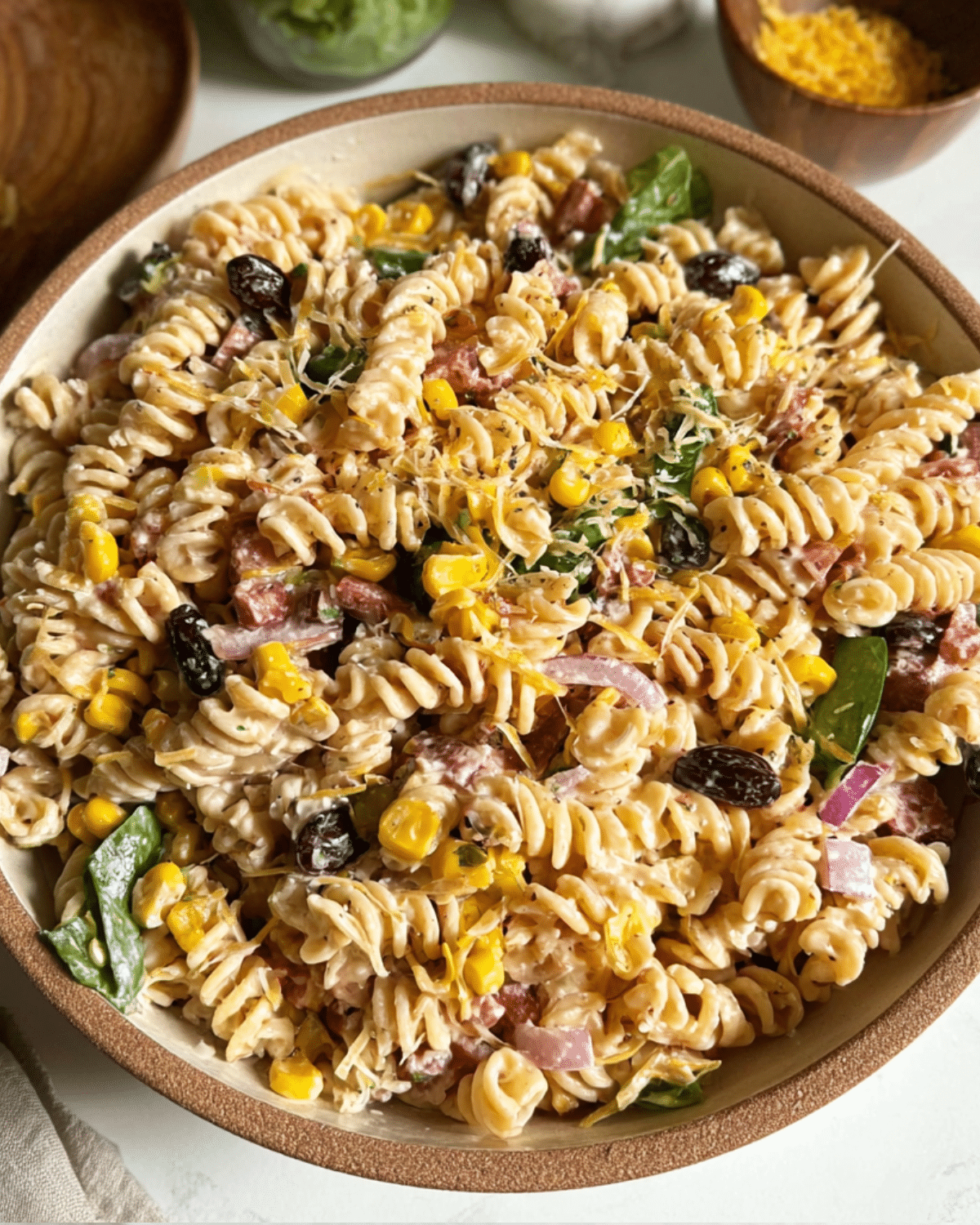
Chop pickles finely and stir into potato salad or pasta salad for extra tang and crunch.
Fried Pickles and Snacks
Slice and batter fry for a crispy snack. They also pair wonderfully with comfort foods like these crispy Oven Baked Sweet Potato Fries, creating a sweet-and-tangy balance.
Clearly, this canning pickles recipe does more than preserve cucumbers—it upgrades everyday meals.
Frequently Asked Questions About Canning Pickles Recipe
Can you water bath can pickles safely?
Yes. When using 5% acidity vinegar and proper processing times, water bath canning is safe for pickles.
Why are my canned pickles soft?
Soft pickles usually result from old cucumbers, skipping blossom-end trimming, or over-processing.
Do pickles need to be refrigerated after canning?
Unopened jars do not require refrigeration. Once opened, they must be refrigerated.
How long before canned pickles are ready to eat?
For best flavor, wait at least 2–3 weeks before opening. This allows the brine, dill, and garlic to fully infuse.
Conclusion: Why This Canning Pickles Recipe Is a Must-Try
This canning pickles recipe combines simple ingredients, safe preservation techniques, and bold dill flavor into one reliable method. Because it follows tested acidity ratios and water bath canning guidelines, you can confidently store jars in your pantry for up to a year.
Whether you’re preserving garden cucumbers or stocking up during farmers’ market season, homemade dill pickles deliver unmatched freshness and crunch. Once you master this canning pickles recipe, you’ll always have crisp, tangy pickles ready to enjoy.
PrintCanning Pickles Recipe – Crisp & Flavorful Dill Guide

This canning pickles recipe shows you how to make crisp, tangy, shelf-stable dill pickles using a safe water bath method. Perfect for preserving fresh cucumbers and enjoying homemade pickles all year long.
- Prep Time: 30 minutes
- Cook Time: 10 minutes
- Total Time: 40 minutes
- Yield: 4 pint jars 1x
- Category: Preservation
- Method: Roasting and Water Bath Canning
- Cuisine: American
- Diet: Vegan
Ingredients
- 3–4 pounds pickling cucumbers (Kirby cucumbers)
- 2 1/2 cups white vinegar (5% acidity)
- 2 1/2 cups water
- 1/4 cup pickling salt
- 4 heads fresh dill or 4 teaspoons dill seeds
- 4 garlic cloves, peeled
- Optional: 1 teaspoon mustard seeds per jar
- Optional: 1/2 teaspoon whole black peppercorns per jar
- Optional: 1/4 teaspoon red pepper flakes per jar
- Optional: 1 bay leaf per jar
Instructions
- Wash cucumbers thoroughly and trim 1/16 inch from the blossom end to help maintain crispness.
- Sterilize 4 pint mason jars in boiling water for 10 minutes and keep them hot.
- In a large pot, combine vinegar, water, and pickling salt. Bring to a gentle boil, stirring until salt dissolves.
- Place dill and garlic at the bottom of each hot jar. Add optional spices if desired.
- Pack cucumbers tightly into jars, leaving 1/2 inch headspace.
- Pour hot brine over cucumbers, maintaining 1/2 inch headspace.
- Remove air bubbles, wipe rims clean, and apply lids and bands fingertip tight.
- Process jars in a boiling water bath for 10 minutes (adjust time for altitude if necessary).
- Remove jars and allow to cool undisturbed for 12–24 hours. Check seals before storing.
Notes
- Always use vinegar with 5% acidity for safe canning.
- Do not change the vinegar-to-water ratio.
- Use pickling salt to prevent cloudy brine.
- Adjust processing time based on altitude.
- Allow pickles to sit for 2–3 weeks before opening for best flavor.
- Store unopened jars in a cool, dark place for up to 12 months.
- Refrigerate after opening and use within 3–4 weeks.
Nutrition
- Serving Size: 1 spear
- Calories: 8
- Sugar: 1g
- Sodium: 200mg
- Fat: 0g
- Saturated Fat: 0g
- Unsaturated Fat: 0g
- Trans Fat: 0g
- Carbohydrates: 2g
- Fiber: 0g
- Protein: 0g
- Cholesterol: 0mg