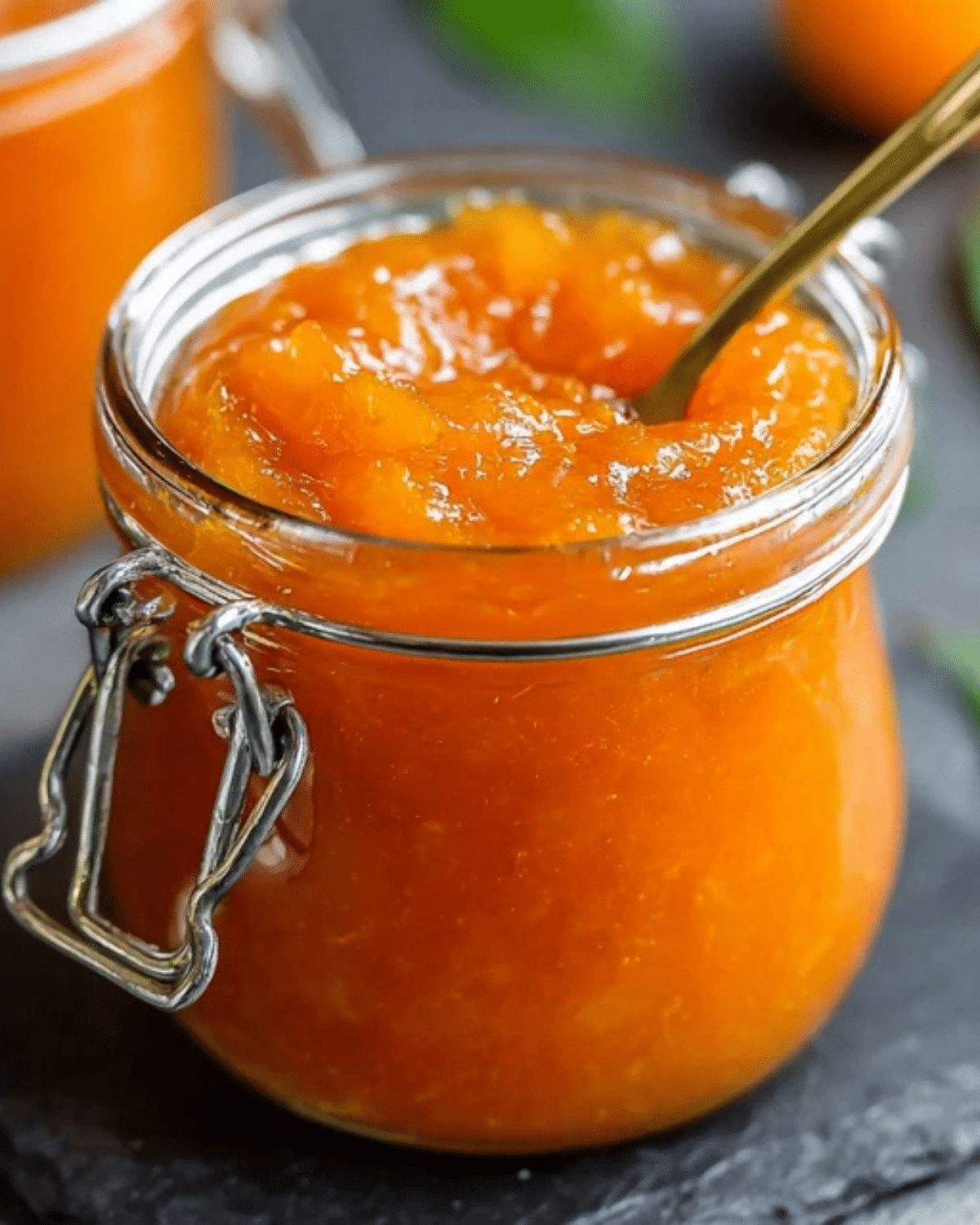
Homemade Apricot Jam is a simple and flavorful spread made from fresh apricots, sugar, and a few basic ingredients. Many people enjoy making homemade apricot jam because it captures the natural sweetness and slightly tangy taste of ripe apricots. When prepared properly, the jam develops a rich golden color and a smooth, spreadable texture that makes it perfect for breakfast and desserts.
Another reason homemade apricot jam is so popular is that it requires only a few ingredients and simple cooking steps. Unlike store-bought jams, homemade versions allow you to control the sweetness, texture, and flavor. You can also make small batches that taste fresher and more natural.
In this guide, you will learn everything needed to make homemade apricot jam successfully. From selecting the best apricots to cooking the jam and storing it properly, each step helps create a delicious fruit preserve that can be enjoyed throughout the year.
JUMP TO
Table of Contents
What Is Homemade Apricot Jam and Why It Is Popular
The History of Fruit Jam Making
Fruit jam has been made for centuries as a way to preserve seasonal fruits. Before modern refrigeration, people cooked fruits with sugar to extend their shelf life. The sugar helped prevent spoilage while maintaining the fruit’s natural flavor.
Over time, jam making became a traditional kitchen practice in many cultures. Families prepared fruit preserves during harvest seasons so they could enjoy fruit flavors long after the growing season ended.
Homemade apricot jam continues this tradition by turning fresh apricots into a sweet spread that can be stored and enjoyed later.
Why Apricots Are Perfect for Jam
Apricots are one of the best fruits for jam making because they have a balanced flavor that combines sweetness with mild tartness. This natural balance creates a jam that is flavorful without being overly sweet.
Apricots also contain natural pectin, which helps the jam thicken during cooking. Because of this natural pectin content, many apricot jam recipes do not require additional thickening ingredients.
When cooked slowly with sugar, apricots soften and release their juices, creating a smooth and fragrant jam.
Flavor and Texture of Apricot Jam
Homemade apricot jam is known for its bright fruity flavor and smooth texture. The cooking process concentrates the natural taste of the apricots, resulting in a rich and slightly tangy sweetness.
The texture can vary depending on how the apricots are prepared. Some people prefer a smooth jam, while others enjoy small fruit pieces that create a more rustic texture.
Regardless of the style, homemade apricot jam usually develops a thick but spreadable consistency that works well on many foods.
Benefits of Making Jam at Home
There are several advantages to preparing homemade apricot jam instead of buying it from the store.
First, homemade jam allows you to use fresh fruit and control the ingredients. This means you can avoid unnecessary additives or preservatives.
Second, making jam at home gives you flexibility with sweetness and texture. You can adjust the sugar level or create a chunkier jam depending on your preference.
Finally, homemade apricot jam often tastes fresher and more flavorful than commercial products.
Ingredients for the Best Homemade Apricot Jam
Using quality ingredients is essential for making delicious apricot jam. Because the recipe is simple, each ingredient plays an important role in the final flavor and texture.

Choosing the Best Apricots for Jam
Fresh, ripe apricots produce the best homemade apricot jam. When selecting apricots, look for fruits that are slightly soft but not overly mushy.
Good apricots should have a vibrant orange color and a sweet fruity aroma. Avoid fruits that are too firm or have large bruises.
Ripe apricots release more juice during cooking, which helps create a rich and flavorful jam.
Essential Ingredients for Apricot Jam
Most traditional apricot jam recipes require only a few simple ingredients.
| Ingredient | Purpose |
|---|---|
| Fresh apricots | Provide natural flavor and texture |
| Sugar | Sweetens the jam and helps preserve it |
| Lemon juice | Balances sweetness and enhances flavor |
Sugar plays a key role in jam making because it helps thicken the mixture and extend its shelf life.
Lemon juice adds a small amount of acidity that helps balance the sweetness of the apricots.
Natural Sweeteners and Flavor Enhancers
While regular sugar is commonly used, some people experiment with alternative sweeteners to adjust the flavor of homemade apricot jam.
Possible options include:
Honey
Cane sugar
Light brown sugar
These sweeteners can slightly change the flavor profile while still producing a delicious jam.
Optional Ingredients for Extra Flavor
Although apricot jam is already flavorful, some cooks add small amounts of extra ingredients to enhance the taste.
Popular additions include:
Vanilla extract
Citrus zest
Ground cinnamon
These ingredients add subtle flavor notes that complement the natural sweetness of the apricots.
How to Make Homemade Apricot Jam Step by Step
Making homemade apricot jam is a straightforward process that transforms fresh apricots into a thick, flavorful spread. By carefully preparing the fruit and cooking it slowly with sugar, you can create a jam with a perfect balance of sweetness and texture.
Preparing and Cutting the Apricots
Begin by washing the apricots thoroughly under cool water. This removes any dirt or residue from the fruit.
Next, cut each apricot in half and remove the pit. After removing the pits, slice the apricot halves into smaller pieces. The size of the pieces will influence the texture of the jam. Smaller pieces create a smoother jam, while larger pieces produce a chunkier texture.
Place the prepared apricot pieces into a large cooking pot. If the apricots are very ripe, they may begin releasing juice immediately, which helps start the cooking process.
Cooking the Apricots and Sugar
Add sugar to the pot with the prepared apricots. Stir the mixture gently so the sugar begins dissolving into the fruit.
Place the pot over medium heat and allow the mixture to warm gradually. As the apricots cook, they release more juice and soften.
Stir the mixture frequently to prevent sticking or burning at the bottom of the pot.
After about 10 to 15 minutes, the apricots will break down and begin forming a thick fruit mixture. At this stage, add lemon juice to balance the sweetness and help the jam set properly.
Continue cooking the mixture while stirring regularly.
Achieving the Perfect Jam Consistency
As the apricot mixture cooks, it gradually thickens. This happens as water evaporates and the natural fruit pectin combines with sugar.
Cooking times may vary depending on the amount of fruit and heat level. Most homemade apricot jam recipes take about 25 to 35 minutes of cooking.
To test the consistency, place a small spoonful of jam onto a chilled plate. Allow it to sit for a few seconds, then gently push it with a spoon.
If the jam wrinkles slightly and holds its shape, it is ready.
Here is a general guide for jam stages:
| Cooking Stage | Appearance |
|---|---|
| Early stage | Thin and watery |
| Mid stage | Slightly thicker with small bubbles |
| Final stage | Thick and glossy |
Once the jam reaches the desired thickness, remove the pot from the heat.
Sterilizing Jars for Safe Storage
Before storing homemade apricot jam, it is important to prepare clean jars. Properly sterilized jars help keep the jam safe and extend its storage life.
Wash the jars and lids with hot soapy water and rinse them thoroughly.
Next, place the jars in a pot of boiling water for about 10 minutes. This process kills bacteria and prepares the jars for storing jam.
Allow the jars to dry on a clean towel before filling them.
Filling and Sealing the Jam Jars
Carefully spoon the hot apricot jam into the prepared jars while it is still warm. Leave a small amount of space at the top of each jar.
Wipe the rim of the jar clean to ensure a proper seal. Then place the lid on top and close it tightly.
As the jam cools, the lids may form a seal that helps preserve the contents.
Once cooled, store the jars in a cool, dark place or in the refrigerator.
Tips for Perfect Homemade Apricot Jam
A few helpful techniques can make a big difference when preparing homemade apricot jam. These tips help ensure the jam has the right flavor, texture, and shelf life.
How to Choose Ripe Apricots
Ripe apricots produce the best flavor for jam. Look for apricots that have a deep orange color and a sweet aroma.
The fruit should feel slightly soft when gently pressed but should not be overly mushy.
Using ripe fruit helps the jam develop a stronger natural flavor.
Preventing Jam from Becoming Too Runny
Sometimes homemade jam may not thicken as expected.
To avoid runny jam:
Cook the mixture long enough for excess water to evaporate
Use ripe fruit that contains natural pectin
Avoid adding too much liquid to the mixture
If the jam still appears thin, continue cooking it for a few additional minutes while stirring.
How to Balance Sweetness and Tartness
Apricots naturally contain both sweet and tart flavors. Adjusting the sugar and lemon juice levels can help balance the taste.
If the jam tastes too sweet, adding a little more lemon juice can improve the flavor.
If the jam is too tart, a small amount of extra sugar can help balance the mixture.
Proper Storage for Homemade Jam
Proper storage helps preserve the flavor and quality of homemade apricot jam.
Sealed jars stored in a cool, dark place can last for several months. Once opened, the jam should be kept in the refrigerator.
Always use clean utensils when serving jam to maintain freshness.
Delicious Variations of Apricot Jam
One of the best things about homemade apricot jam is how easy it is to customize. While the classic recipe highlights the natural flavor of apricots, adding a few extra ingredients can create new and exciting variations. These variations allow you to experiment with different flavors while still keeping the fresh fruit taste at the center of the recipe.
Apricot Vanilla Jam
Apricot vanilla jam adds a warm and aromatic flavor to the traditional recipe. A small amount of vanilla extract or a scraped vanilla bean can be added while the jam cooks.
The vanilla complements the sweetness of the apricots and creates a smooth, slightly dessert-like flavor. This variation works especially well for spreading on pastries, pancakes, or breakfast toast.
Apricot Citrus Jam
Citrus fruits pair beautifully with apricots and add a bright, refreshing flavor. Orange or lemon zest can be added to the jam mixture during cooking.
The citrus aroma enhances the fruit flavor and balances the sweetness of the jam. Apricot citrus jam is especially popular for breakfast spreads and baked desserts.
Chunky Apricot Jam
Some people prefer a jam with more texture and visible fruit pieces. Chunky apricot jam keeps larger apricot pieces intact during cooking.
To create this variation, simply cut the apricots into slightly larger pieces and avoid over-stirring the mixture while cooking.
The result is a jam with soft fruit pieces that provide a more rustic texture.
Low Sugar Apricot Jam
For those who prefer a lighter sweetness, low sugar apricot jam is another option.
Reducing the amount of sugar allows the natural tartness of the apricots to become more noticeable. Because sugar helps thicken the jam, cooking time may need to be slightly longer to achieve the proper consistency.
Low sugar apricot jam offers a more natural fruit flavor while still creating a delicious spread.
Ways to Use Homemade Apricot Jam
Homemade apricot jam is incredibly versatile and can be used in many different recipes. Its sweet and slightly tangy flavor pairs well with both breakfast foods and desserts.
Spreading on Toast and Pastries
One of the most common ways to enjoy homemade apricot jam is by spreading it on bread or baked goods.
Popular options include:
Toast
Bagels
Croissants
Biscuits
The smooth texture of the jam spreads easily and adds a bright fruit flavor to simple breakfast foods.
Using Jam in Desserts and Baking
Apricot jam is also widely used in baking. Its sweet flavor and smooth texture make it a great ingredient for many desserts.
Common baking uses include:
Cake fillings
Pastry glazes
Fruit tarts
Cookies
In many desserts, apricot jam is warmed slightly and brushed onto pastries to create a glossy finish.
Adding Apricot Jam to Breakfast Recipes
Apricot jam can also enhance many breakfast dishes. A small spoonful adds natural sweetness and fruit flavor.
Some popular breakfast uses include:
Swirling into yogurt
Topping pancakes or waffles
Mixing into oatmeal
Serving with crepes
These simple additions make breakfast meals more flavorful and satisfying.
Frequently Asked Questions About Homemade Apricot Jam
Do you need pectin for apricot jam?
Apricots naturally contain pectin, which helps the jam thicken during cooking. Because of this, many homemade apricot jam recipes do not require added pectin.
How long does homemade apricot jam last?
When stored in sealed jars in a cool, dark place, homemade apricot jam can last for several months. Once opened, it should be kept in the refrigerator and used within a few weeks.
Can apricot jam be frozen?
Yes, apricot jam can be frozen. Freezing is a good option if you make a large batch and want to store it for a longer period.
How do you know when jam is ready?
A simple way to test jam readiness is the cold plate test. Place a small amount of jam on a chilled plate and push it gently. If the surface wrinkles slightly, the jam is ready.
Conclusion: Why Homemade Apricot Jam Is Worth Making
Homemade apricot jam is a simple and rewarding recipe that captures the bright flavor of fresh apricots. With only a few ingredients and basic cooking techniques, you can create a delicious fruit spread that tastes fresher and more natural than many store-bought options.
The process of making jam also allows you to adjust sweetness, texture, and flavor to match your preferences. Whether you enjoy it on toast, pastries, or desserts, homemade apricot jam adds a burst of fruit flavor to many dishes.
Once you try making your own apricot jam, it often becomes a favorite kitchen tradition.
PrintHomemade Apricot Jam Easy Sweet Fruit Jam Recipe

Homemade Apricot Jam is a sweet and fruity spread made with fresh apricots, sugar, and lemon juice. This simple recipe creates a smooth and flavorful jam perfect for toast, pastries, and desserts.
- Prep Time: 10 minutes
- Cook Time: 35 minutes
- Total Time: 45 minutes
- Yield: 3 cups 1x
- Method: Microwave or Stovetop
Ingredients
- 2 pounds fresh apricots, pitted and chopped
- 1 1/2 cups granulated sugar
- 2 tablespoons lemon juice
Instructions
- Wash the apricots thoroughly, cut them in half, remove the pits, and chop them into small pieces.
- Place the chopped apricots in a large pot and add the sugar.
- Stir the mixture gently and let it sit for about 10 minutes so the apricots release their natural juices.
- Place the pot over medium heat and cook the mixture while stirring frequently.
- As the apricots soften, mash them lightly with a spoon or potato masher to create a smoother texture.
- Add the lemon juice and continue cooking for about 25–35 minutes until the jam thickens.
- Test the consistency by placing a small spoonful on a chilled plate. If it wrinkles slightly when pushed, the jam is ready.
- Remove the pot from the heat and carefully pour the hot jam into sterilized jars.
- Seal the jars tightly and allow the jam to cool completely before storing.
- Store the jam in the refrigerator or a cool dark place.
Notes
- Use ripe apricots for the best natural sweetness and flavor.
- Stir frequently during cooking to prevent the jam from sticking or burning.
- If you prefer smoother jam, blend the fruit slightly before cooking.
- Always use clean and sterilized jars for safe storage.
- Once opened, keep the jam refrigerated and use within a few weeks.
Nutrition
- Serving Size: 1 tablespoon
- Calories: 50
- Sugar: 12 g
- Sodium: 1 mg
- Fat: 0 g
- Saturated Fat: 0 g
- Unsaturated Fat: 0 g
- Trans Fat: 0 g
- Carbohydrates: 13 g
- Fiber: 0.5 g
- Protein: 0 g
- Cholesterol: 0 mg