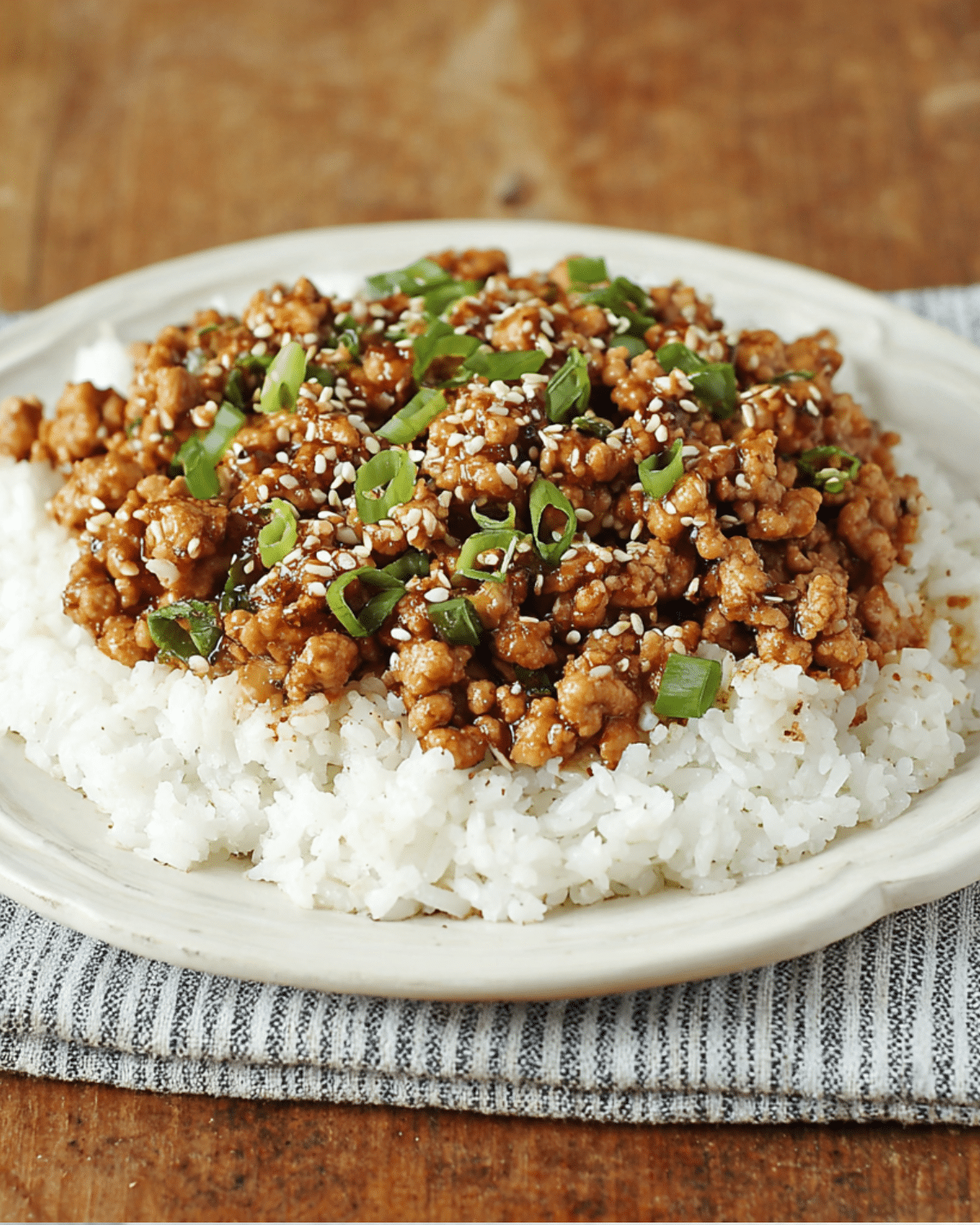
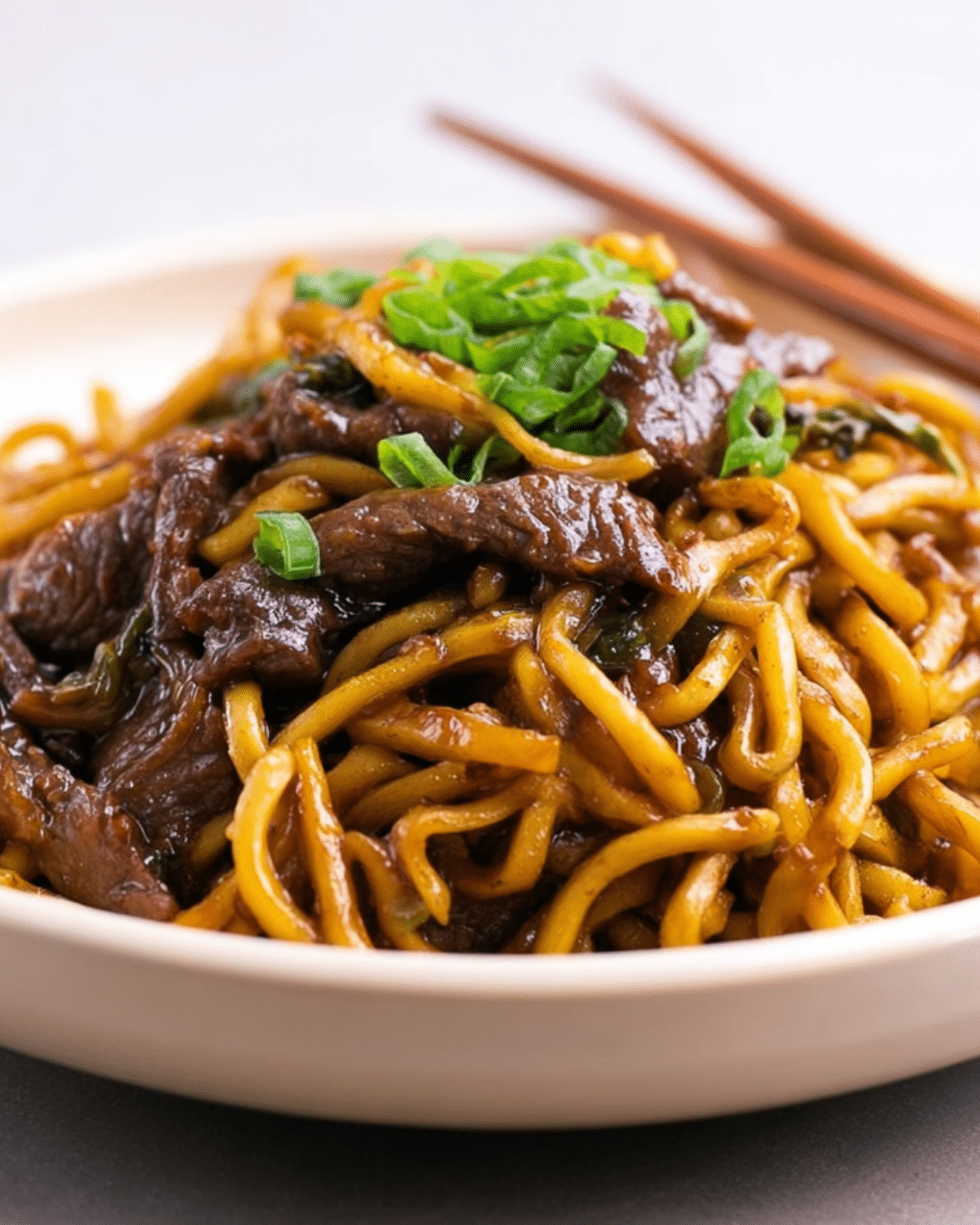
Mongolian Beef Noodles bring together everything you love about a classic Asian stir-fry — tender slices of beef, chewy noodles, and a perfectly balanced sweet-salty sauce that coats every bite. This easy weeknight dinner is not just quick to make but loaded with flavor, thanks to simple pantry ingredients like soy sauce, garlic, and brown sugar. Whether you’re a fan of takeout-style dishes or love experimenting with wok recipes, this homemade Mongolian Beef Noodles recipe guarantees restaurant-quality taste in under 30 minutes. You can also explore other comforting meals like Beef Noodle Casserole for hearty dinner inspiration.
JUMP TO
Table of Contents
What Makes Mongolian Beef Noodles So Irresistible?
The beauty of Mongolian Beef Noodles lies in its flavor harmony — the deep umami from soy sauce, the gentle sweetness of brown sugar, and the fragrance of garlic and ginger all working together in one glossy sauce. Every forkful bursts with flavor, especially when paired with perfectly seared beef and slightly chewy noodles.
The Origins of Mongolian-Style Cuisine
Despite its name, Mongolian Beef doesn’t come from Mongolia. Instead, it’s a Chinese-American invention that gained massive popularity in Western restaurants. The term “Mongolian” simply refers to a particular stir-fry flavor profile — a sweet and savory soy-based sauce typically used with beef and scallions. These flavors have now expanded into fusion dishes like Mongolian Beef Noodles, combining the traditional sauce with satisfying noodles for a complete one-pan meal.
Flavor Profile – Why It’s So Addictive
What keeps everyone coming back for Mongolian Beef Noodles is that perfect blend of textures and tastes. You get caramelized edges of beef, noodles that soak up every drop of sauce, and the contrast between salty soy and sweet brown sugar. Add a touch of heat from chili flakes or a drizzle of sesame oil, and it’s simply irresistible. If you enjoy bold flavors, you might also love Garlic Sesame Noodles, which share a similar balance of savory and nutty tastes.
Ingredients You’ll Need for Authentic Mongolian Beef Noodles
Creating this dish doesn’t require exotic ingredients — just smart flavor layering. Here’s what you’ll need to make the best Mongolian Beef Noodles at home.

Core Ingredients List
| Ingredient | Quantity | Purpose |
|---|---|---|
| Beef flank or sirloin | 1 lb | Tender, juicy protein |
| Noodles (lo mein, udon, or rice noodles) | 8 oz | Base of the dish |
| Soy sauce | ¼ cup | Adds umami and saltiness |
| Brown sugar | 2 tbsp | Balances with sweetness |
| Garlic | 2 cloves, minced | Fragrance and depth |
| Ginger | 1 tbsp, grated | Adds warmth and spice |
| Cornstarch | 1 tbsp | Thickens the sauce |
| Sesame oil | 1 tsp | Provides finishing aroma |
| Green onions | 2, sliced | Adds freshness and color |
| Vegetable oil | 2 tbsp | For stir-frying |
This combination of ingredients delivers the signature glossy sauce and tender beef texture that defines this dish. The key is cooking quickly over high heat, so your noodles don’t turn mushy and your beef stays juicy.
Recommended Substitutions and Variations
One of the great things about Mongolian Beef Noodles is its adaptability.
- Protein swap: Replace beef with chicken, shrimp, or tofu for variety.
- Vegetable boost: Add bell peppers, broccoli, or snow peas for color and crunch.
- Dietary adjustments: Use tamari instead of soy sauce for a gluten-free option.
- Spicy version: Toss in red pepper flakes or a spoon of chili paste for a kick.
If you like mixing sweet and savory flavors, try the Honey Garlic Pork Chops, which share a similar umami sweetness that pairs beautifully with rice or noodles.
Pro Tip:
For restaurant-level tenderness, slice your beef against the grain into thin strips and coat lightly with cornstarch before cooking. This technique locks in moisture and helps the sauce cling better to the meat.
How to Make Mongolian Beef Noodles (Step-by-Step)
When it comes to Mongolian Beef Noodles, success lies in timing and technique. You want your beef seared perfectly, your noodles chewy yet tender, and your sauce rich and glossy. Here’s how to make it all come together effortlessly.
Step 1 – Prepare the Beef and Sauce
Start by slicing the beef against the grain into thin strips. This ensures tenderness and prevents chewy bites. Coat the beef evenly with cornstarch — this small step helps create that velvety restaurant-style texture once stir-fried.
In a small bowl, whisk together soy sauce, brown sugar, garlic, ginger, and a splash of water. This becomes your Mongolian sauce base. The cornstarch will later thicken it naturally during cooking. If you love sweet-and-savory sauces, you might also enjoy the glaze used in this General Tso Chicken Recipe, which has a similar balance of bold flavors.
Step 2 – Cook the Noodles and Stir-Fry
- Boil the noodles: Cook them just until al dente — firm to the bite. Overcooked noodles will turn mushy once added to the sauce. Drain and toss lightly in oil to prevent sticking.
- Sear the beef: Heat a tablespoon of oil in a wok or deep skillet over high heat. Add the beef in a single layer and cook undisturbed for about 2 minutes until browned. Avoid overcrowding; work in batches if necessary.
- Add the sauce: Once the beef is mostly cooked, pour in your prepared Mongolian sauce. Stir gently until it begins to bubble and thicken.
- Combine with noodles: Toss the cooked noodles into the pan and stir until every strand is coated in sauce. Add green onions for freshness and sesame oil for aroma.
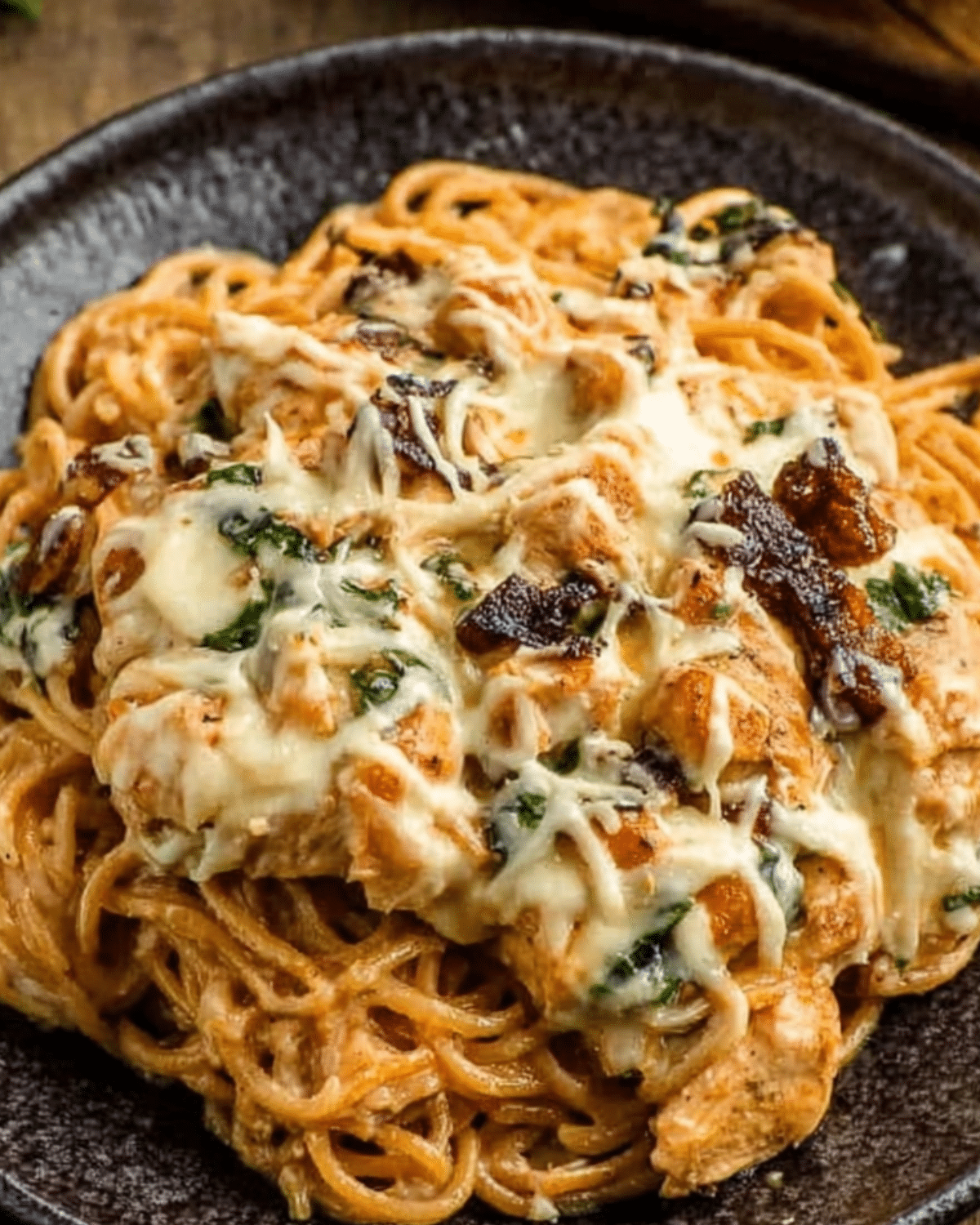
The glossy noodles and tender beef should have a slightly sticky consistency — a sign of a well-balanced sauce. For a similar one-pan dinner idea, check out this One Pot Creamy Cajun Chicken Pasta, another weeknight hero recipe.
Step 3 – Finish and Serve
To finish, sprinkle sesame seeds or chopped scallions on top. Serve immediately while the noodles are still hot and glossy. The longer it sits, the more the noodles absorb the sauce, so timing matters.
For presentation, plate the noodles in shallow bowls, letting the sauce pool slightly at the bottom — that’s the signature look of a restaurant-quality stir-fry.
Expert Tips for Perfect Mongolian Beef Noodles Every Time
Mongolian Beef Noodles are easy to master once you understand a few key tricks. These expert tips ensure your dish turns out silky, flavorful, and perfectly balanced every single time.
Choosing the Right Beef Cut
The best cuts for this recipe are flank, skirt, or sirloin steak. They’re lean but flavorful, making them ideal for quick stir-fries.
Pro tip: Chill your beef in the freezer for 15 minutes before slicing — it firms up slightly, allowing you to slice it paper-thin.
If you want to try another tender beef-based dish, take a look at this Roast Beef Tenderloin with Horseradish Sauce, which uses similar techniques for flavor depth.
Achieving the Ideal Sauce Consistency
The key to the perfect Mongolian sauce is the cornstarch-water balance. Too much cornstarch, and it becomes gummy; too little, and the sauce won’t coat your noodles properly. Add about 1 tablespoon of cornstarch per cup of sauce liquid. Stir constantly to prevent clumps and remove from heat once it thickens — it will continue to thicken slightly as it cools.
Common Mistakes to Avoid
- Overcrowding the pan: Causes steaming instead of searing.
- Skipping the cornstarch coating: Results in dry beef that doesn’t absorb the sauce.
- Overcooking noodles: Makes the dish soggy.
- Adding sauce too early: Prevents beef from caramelizing properly.
Avoiding these simple mistakes can make the difference between an average stir-fry and a restaurant-style masterpiece.
Serving Ideas and Meal Pairings for Mongolian Beef Noodles
Mongolian Beef Noodles already make a satisfying main dish, but pairing them with complementary sides or add-ons can turn an ordinary meal into an Asian-inspired feast. The goal is to balance flavors and textures — something crisp, something fresh, and something a little tangy to cut through the richness of the sauce.
Best Side Dishes for Mongolian Beef Noodles
If you want to serve a full meal, here are some side ideas that complement the bold, sweet-salty flavor of Mongolian Beef Noodles:
| Side Dish | Why It Works |
|---|---|
| Asian Cucumber Salad | Adds crunch and freshness |
| Steamed Dumplings or Potstickers | Great textural contrast |
| Garlic Green Beans | Savory, crisp, and balances sweetness |
| Egg Drop Soup | Light yet comforting pairing |
| Steamed Rice | Perfect for soaking up extra sauce |
For more quick Asian-style dinner inspiration, try the Chicken Ramen Stir Fry Recipe, another easy one-pan meal bursting with flavor.
How to Store and Reheat Leftovers
Proper storage ensures your Mongolian Beef Noodles stay delicious even the next day.
- Refrigeration: Store leftovers in an airtight container for up to 3 days.
- Freezing: Not recommended — noodles lose texture when thawed.
- Reheating: Add a tablespoon of water to loosen the sauce, then reheat in a skillet over medium heat. Avoid microwaving for too long, or the beef will toughen.
For meal prep lovers, you can also divide the noodles into containers for ready-to-heat weekday lunches. If you prefer slow-cooked comfort food, the Slow Cooker Chili Recipe is another meal that stores beautifully.
Frequently Asked Questions (FAQ)
What kind of noodles should I use for Mongolian Beef Noodles?
Lo mein or udon noodles work best because they absorb sauce well while staying chewy. Rice noodles are also great for a gluten-free option.
Can I make Mongolian Beef Noodles ahead of time?
Yes! You can prepare the sauce and slice the beef in advance. Store them separately in the fridge, then cook everything together when ready to serve for maximum freshness.
How do I make the sauce thicker or less sweet?
To thicken, simmer the sauce longer or add a small cornstarch slurry (1 tsp cornstarch + 1 tbsp water). To reduce sweetness, cut back the brown sugar slightly and increase soy sauce or rice vinegar for balance.
Is Mongolian Beef Noodles spicy?
Traditionally, it’s not spicy. But if you love heat, toss in chili flakes, sriracha, or chili oil before serving.
Can I make it vegetarian or vegan?
Definitely. Swap beef for tofu or mushrooms and use tamari or vegan oyster sauce instead of regular soy sauce.
Conclusion – Why You’ll Love This Mongolian Beef Noodles Recipe
Mongolian Beef Noodles are the perfect answer to busy weeknights when you want something fast, filling, and full of flavor. The glossy sauce clings to every noodle, the beef stays tender, and the sweet-savory balance makes every bite satisfying. It’s one of those recipes that feels fancy but takes minimal effort — a must-try for noodle lovers and fans of Asian comfort food.
If you enjoyed this recipe, check out Beef Noodle Casserole Recipe for another hearty dinner option, or dive into Garlic Sesame Noodles for a quick vegetarian-friendly twist.
PrintMongolian Beef Noodles

Mongolian Beef Noodles is a quick, flavorful Asian-inspired stir-fry made with tender beef, chewy noodles, and a sweet-salty garlic soy sauce. Perfect for a 30-minute weeknight dinner that tastes like your favorite takeout meal.
- Prep Time: 10 minutes
- Cook Time: 20 minutes
- Total Time: 30 minutes
- Yield: 4 servings 1x
- Category: Main Course
- Method: Stir-Fry
- Cuisine: Asian
- Diet: Halal
Ingredients
- 1 lb beef flank or sirloin, thinly sliced
- 8 oz noodles (lo mein, udon, or rice noodles)
- 1/4 cup soy sauce
- 2 tbsp brown sugar
- 2 cloves garlic, minced
- 1 tbsp ginger, grated
- 1 tbsp cornstarch
- 1 tsp sesame oil
- 2 tbsp vegetable oil
- 2 green onions, sliced
Instructions
- Slice the beef against the grain into thin strips and coat with cornstarch. Set aside.
- In a small bowl, whisk soy sauce, brown sugar, garlic, ginger, and water to make the sauce.
- Cook the noodles according to package directions until al dente. Drain and set aside.
- Heat 1 tbsp oil in a wok or large skillet over high heat. Add beef in batches and sear until browned.
- Pour in the sauce and stir until it begins to bubble and thicken.
- Add the noodles and toss well to coat with sauce. Stir in green onions and sesame oil.
- Serve hot, garnished with sesame seeds and extra green onions if desired.
Notes
- Slice beef thinly for maximum tenderness.
- Use tamari instead of soy sauce for a gluten-free version.
- Add red pepper flakes or chili paste for a spicy kick.
- Do not overcook the noodles to avoid sogginess.
- Store leftovers in an airtight container for up to 3 days.
Nutrition
- Serving Size: 1 bowl (about 300g)
- Calories: 480
- Sugar: 10g
- Sodium: 980mg
- Fat: 18g
- Saturated Fat: 4g
- Unsaturated Fat: 13g
- Trans Fat: 0g
- Carbohydrates: 45g
- Fiber: 3g
- Protein: 32g
- Cholesterol: 65mg