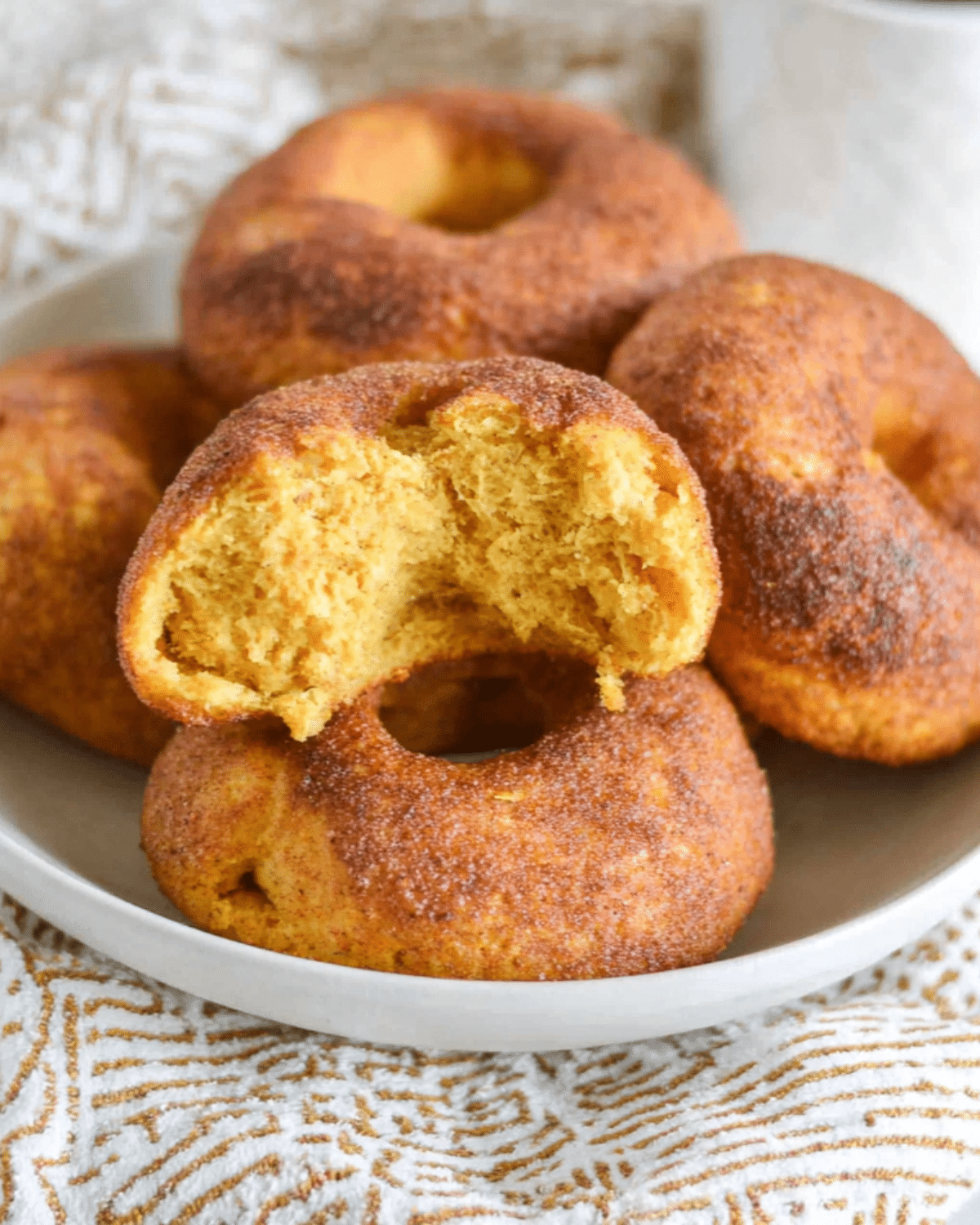
Fall is the perfect time to embrace warm flavors, and Pumpkin Sourdough Bagels bring together the best of the season. With their subtle tang from natural fermentation and the earthy sweetness of pumpkin, these bagels offer a comforting twist on a classic. Whether you’re already a sourdough enthusiast or just curious about trying your hand at something new, this recipe offers a rewarding and delicious bake.
You’ll learn everything from the right starter to use, ingredient substitutes, shaping techniques, baking tips, and more. These chewy, golden bagels are topped with your choice of cinnamon crunch or pumpkin spice sugar — both irresistibly good.
Looking for inspiration? Try our Best Chocolate Chip Pumpkin Bread for another cozy fall treat that pairs wonderfully with your morning coffee.
JUMP TO
Table of Contents
Why Pumpkin Sourdough Bagels Are a Must-Bake This Season
The Perfect Blend of Tang and Sweetness
What sets pumpkin sourdough bagels apart from your typical fall pastries is the unique flavor profile. The natural sourdough fermentation brings a mild tang that perfectly balances the sweetness of pumpkin and maple syrup. Instead of being overpowering, the pumpkin adds depth, moisture, and warmth — ideal for autumn mornings.
Unlike commercial yeast bagels, sourdough-based versions have more character. The fermentation process unlocks subtle flavor notes, resulting in a bagel that’s slightly sweet, lightly tangy, and deeply satisfying.
What Makes Sourdough Different from Commercial Yeast
Sourdough starters are naturally fermented mixtures of flour and water teeming with wild yeast and good bacteria. In contrast to commercial yeast, which is quick and predictable, sourdough takes its time. That slower process allows complex flavors to develop, and your bagels get a chewy texture and a golden crust that feels bakery-level — but homemade.
Not to mention, sourdough is often easier to digest and has a lower glycemic index. That makes these bagels a better choice nutritionally while still tasting like a treat.
How Pumpkin Transforms Classic Bagels into a Fall Favorite
Canned pumpkin puree not only enhances the color and aroma of the dough but also adds moisture and natural sweetness. It’s not just a flavor additive — it improves the bagel’s overall texture. The richness of pumpkin also pairs perfectly with fall-forward spices like cinnamon, nutmeg, and clove, especially when used in the optional toppings.
Don’t miss our Pumpkin Cheesecake Truffles — another great example of how pumpkin can be the star in seasonal desserts.
Ingredients That Make These Bagels Exceptional
Key Elements: Sourdough Starter, Canned Pumpkin, Maple Syrup
To get that soft, chewy bite and the signature golden color, quality ingredients matter. Here’s what makes a difference:
- Ripe Sourdough Starter or Levain: This is the backbone of flavor. It should be bubbly, doubled in size, and smell mildly tangy.
- Canned Pumpkin: Use pure canned pumpkin, not pie filling. Homemade puree is also fine if it’s well-drained.
- Maple Syrup: A natural sweetener that complements the earthy pumpkin without making the bagels overly sugary.
- Bread Flour: Its higher protein content helps develop gluten, which is essential for structure and chew.
Other essentials include diastatic malt powder (for that deep brown crust), salt (to balance the flavor), and warm water to maintain dough temperature during fermentation.
Optional Add-ins and Topping Variations for Extra Flavor
One of the best things about this recipe is how versatile it is. You can choose between:
- Cinnamon Crunch Topping: Made from brown sugar, granulated sugar, butter, and pumpkin pie spice.
- Pumpkin Spice Sugar Topping: A lighter, cleaner topping with just spice and sugar.
- Plain Pumpkin Spice: Great for those who prefer a less sweet, more savory finish.
And if you’re feeling creative, sprinkle on chopped pecans, pumpkin seeds, or even sesame for texture.
Check out our Pumpkin Smores Cookies for another creative pumpkin dessert idea you’ll love.
Substitutes: What You Can Swap (and What You Shouldn’t)
While this recipe is flexible, some ingredients are harder to replace without affecting texture:
- Levain: You can swap it for an active, bubbly starter of equal weight.
- Diastatic Malt Powder: If unavailable, it can be omitted. Add a touch of extra flour and extend proofing slightly.
- Bread Flour: All-purpose flour can be used with added vital wheat gluten. Without gluten, your bagels will turn out softer and less chewy.
If you’re out of maple syrup, honey is a decent stand-in but will alter the flavor slightly.
For more fall favorites that use pumpkin in unexpected ways, don’t miss our Pumpkin Crisp.
The Step-by-Step Sourdough Bagel Baking Timeline
Day 1: Mixing the Levain and Bulk Fermenting
Start by building your levain in the morning. A 1:1:1 ratio of starter, flour, and water will be ready in 3–4 hours if kept around 78°F. Once active and bubbly, it’s ready to mix into the dough.
In the afternoon, knead together the levain, canned pumpkin, maple syrup, bread flour, salt, and diastatic malt powder. Knead in a stand mixer for 5–7 minutes or by hand for 10–15 minutes. The dough should be tacky, not sticky.
Let the dough bulk ferment in a covered container for about 4 hours. This step allows the gluten to develop and the flavor to deepen.
Day 2: Shaping, Cold-Proofing, Boiling, and Baking
After bulk fermentation, divide the dough into 8 pieces. Shape each one into a tight ball, then poke a hole through the center to form a bagel. Widen the hole with your fingers.
Let the shaped bagels rise for 2–3 hours, then refrigerate overnight. This cold fermentation slows down the process and enhances the final flavor.
In the morning, boil the bagels in water with brown sugar for 40 seconds on each side. This creates the classic chewy exterior. After boiling, top with your choice of crunch or spice and bake at 425°F for 25–30 minutes.
Here’s a visual timeline:
| Time | Step |
|---|---|
| 8:00 AM | Build levain |
| 12:00 PM | Mix dough |
| 12–4 PM | Bulk ferment |
| 4–7 PM | Shape bagels |
| 7:00 PM | Refrigerate |
| Next AM | Boil + Bake |
Discover great ideas like our Pumpkin Cheesecake Cookies — a soft-baked delight that’s just as indulgent as these bagels.
Mastering the Art of Dough Handling
How to Knead for Elasticity and Rise
The kneading stage is crucial in any bagel recipe, but especially when working with sourdough. You’re looking to develop strong gluten strands that will help the bagel maintain structure while giving it that iconic chewy texture. Kneading in a stand mixer for 5–7 minutes works well. If kneading by hand, aim for 10–15 minutes of firm stretching and folding.
You’ll know the dough is ready when it’s tacky but not sticky, elastic when pulled, and forms a smooth surface.
Best Temperature Range for Sourdough Fermentation
Sourdough thrives in warmer environments. Keep your dough around 78°F to 80°F during bulk fermentation and proofing. Cooler environments will slow the rise significantly.
A bread proofer works best, but you can also use your oven with the light on. Just be sure to check the temp — going over 85°F can risk over-proofing or killing the wild yeast.
If your kitchen runs cold, allow a longer proofing time. Try our Pumpkin Pie Overnight Oats for a no-bake, cool-weather breakfast to prep alongside your bagels.
Shaping Tips for Perfect, Round Bagels
After the bulk rise, divide the dough into 8 equal pieces. Create tension by pulling the dough into a ball, then roll it against the counter with a cupped hand.
To form the hole, poke your thumb through the center and gently stretch the dough outward. Don’t stress if the holes shrink — you’ll widen them again just before boiling. This double-hole shaping ensures that they don’t close up in the oven.
Don’t miss our Texas Roadhouse Rolls Recipe if you love shaping enriched dough — another fall-worthy classic.
Boiling and Baking: The Final Touches
Why Boiling Bagels is Essential
Boiling the bagels before baking sets the crust, locks in the shape, and gives that chewy outer layer bagels are famous for. Without boiling, you’d just end up with a round bread roll.
Add brown sugar to the boiling water to encourage caramelization and deeper color. Each bagel should boil for about 40 seconds per side. Use a slotted spoon for safe handling.
After boiling, let them drip-dry on a cooling rack before placing them on a parchment-lined baking sheet.
Pumpkin Spice or Cinnamon Sugar Toppings? Choose Your Finish
This is where your bagels go from “yum” to “WOW.”
Option 1: Cinnamon Crunch Topping
Mix equal parts brown and white sugar with butter, flour, and pumpkin pie spice until crumbly. Add this topping before baking.
Option 2: Pumpkin Sugar Coating
Mix pumpkin pie spice with granulated sugar. Dunk the bagels in this mixture after boiling but before baking.
Option 3: Simple Pumpkin Spice
For a minimalist finish, just sprinkle pumpkin pie spice over the boiled dough before baking.
Want to experiment with other toppings? Try chopped nuts, sesame seeds, or even cheese for a savory version.
Serving and Storing Pumpkin Sourdough Bagels
Best Toppings and Spreads to Pair With
Once baked and slightly cooled, these bagels shine with:
- Whipped cream cheese
- Honey butter
- Cinnamon-sugar butter
- Pumpkin or maple spread
They’re great on their own, but slathered with a thick layer of something creamy? Next level.
You might also love pairing these with a cozy fall soup. Check out our comforting Cajun Potato Soup Recipe — it’s a match made for cold evenings.
How to Store and Freeze for Later
- Short term: Store in an airtight container at room temperature for up to 24 hours.
- Long term: Freeze individually wrapped bagels for up to 2–3 months. Thaw at room temp, then toast to re-crisp.
Avoid refrigerating as it can make the texture rubbery and dry.
Reheating Without Ruining the Texture
For best results, slice in half and toast in the oven at 350°F for 5–7 minutes. A toaster works fine, but oven-toasting brings back the crispy crust and soft interior without drying the bagel out.
Looking for more cozy make-ahead treats? Our Soft Pumpkin Cookies with Cream Cheese Frosting store well and taste amazing chilled or warm.
Troubleshooting Common Issues with Sourdough Bagels
Bagels Not Rising? Here’s What to Check
- Your starter might not be active. Make sure it doubles in size within 4–6 hours.
- Check your fermentation temp — too cold, and it won’t rise well.
- Over-kneading can also make dough too stiff to expand.
Dough Too Wet or Dry: Quick Adjustments
- If sticky, sprinkle in 1 tablespoon of flour at a time.
- If dry, add a teaspoon of water at a time and knead until smooth.
- Be cautious when using homemade pumpkin — blot out excess moisture first.
Tips for High-Altitude or Colder Climates
- Extend rise time by 1–2 hours at altitude or in cold kitchens.
- Use slightly warmer water (85°F) to kickstart fermentation.
- Add a damp towel over the dough to prevent drying during long rises.

Frequently Asked Questions About Pumpkin Sourdough Bagels
Can I add pumpkin pie spice to the dough directly?
It’s not recommended. Spices can inhibit fermentation. Instead, use spice in the topping where it enhances flavor without affecting rise.
Can I skip the diastatic malt powder?
Yes, but your bagels may not get the same deep brown crust. You can add a little extra flour and increase proofing time slightly to compensate.
Are these bagels sweet or savory?
They’re naturally sweet from the pumpkin and maple syrup, but not sugary. The toppings determine if they lean more sweet or neutral.
Can I make them gluten-free?
This recipe depends on gluten development, so it doesn’t adapt well to gluten-free flour blends. Try our Bariatric Pumpkin Seed Recipe for a gluten-free-friendly snack instead.
Conclusion: Enjoy the Cozy Comfort of Homemade Pumpkin Sourdough Bagels
Nothing says fall like the warm, spiced aroma of pumpkin baking in your kitchen. And when paired with the natural tang of sourdough, you’ve got a bagel that’s not just seasonal — it’s sensational.
These Pumpkin Sourdough Bagels offer an unbeatable balance of chewy texture, beautiful color, and customizable flavor. Whether you slather on cream cheese, dunk it in cinnamon sugar, or freeze some for later, you’ll appreciate how homemade baking makes mornings better.
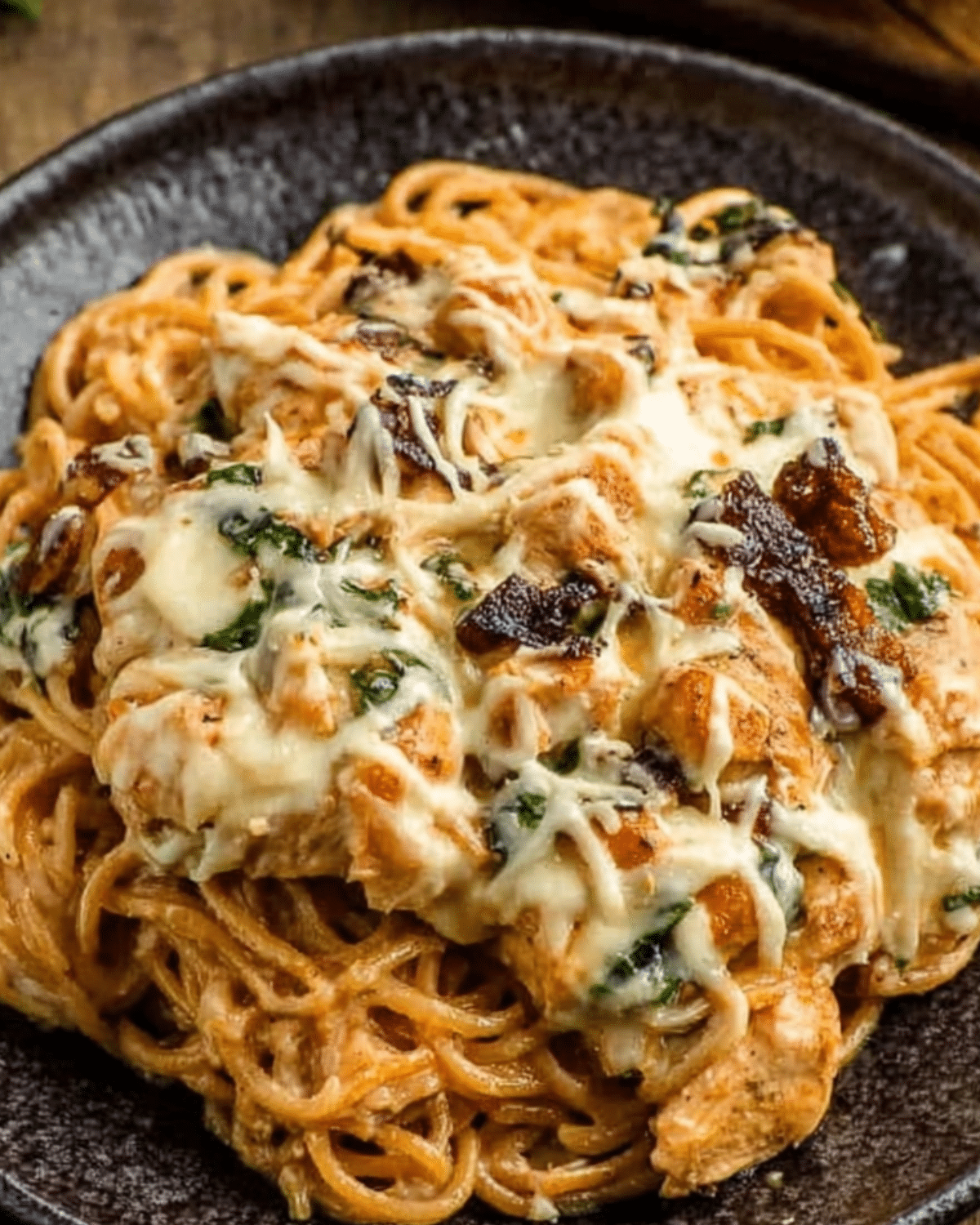
Check out Creamy Pumpkin Pasta Recipe to complete your fall flavor lineup with a cozy dinner favorite.
PrintPumpkin Sourdough Bagels

Pumpkin Sourdough Bagels are chewy, golden, and slightly sweet bagels made with active sourdough starter and pumpkin puree. Perfect for cozy fall mornings, they feature a cinnamon crunch or pumpkin spice topping for extra flavor.
- Prep Time: 20 minutes
- Cook Time: 25 minutes
- Total Time: 1 day 45 minutes
- Yield: 8 bagels 1x
- Category: Breakfast, Bread
- Method: Baking, Boiling
- Cuisine: American
- Diet: Vegetarian
Ingredients
- 45g ripe sourdough starter
- 45g water
- 45g bread flour (for levain)
- 120g levain (prepared)
- 150g water
- 180g canned pumpkin
- 65g pure maple syrup
- 5g diastatic malt powder
- 12g salt
- 600g bread flour
- 55g brown sugar (topping)
- 55g granulated sugar (topping)
- 20g flour (topping)
- 30g unsalted butter, melted (topping)
- 6g pumpkin pie spice (topping)
- 1800g water (boil bath)
- 30g brown sugar (boil bath)
Instructions
- Mix 45g starter, 45g water, and 45g flour to make the levain. Let rise until bubbly (3–4 hours).
- Combine 120g levain, 150g water, 180g pumpkin, 65g maple syrup, 600g bread flour, 12g salt, and 5g diastatic malt powder. Knead for 5–7 minutes in a stand mixer or 10–15 minutes by hand.
- Cover and bulk ferment dough at 78–80°F for 4 hours.
- Divide dough into 8 pieces. Shape each into a tight ball, then poke and stretch to form bagel holes.
- Place shaped bagels on a parchment-lined tray. Proof at room temp for 2–3 hours, then refrigerate overnight.
- Preheat oven to 425°F. Bring 8 cups (1800g) water with 30g brown sugar to a boil.
- Boil each bagel for 40 seconds per side. Remove and place on parchment-lined tray.
- Top bagels with either cinnamon crunch or pumpkin sugar topping.
- Bake for 25–30 minutes until golden. Let cool for 20–25 minutes before serving.
Notes
- Use only canned pumpkin, not pumpkin pie filling.
- Homemade pumpkin puree can be used if well-drained.
- Substitute active sourdough starter for levain if needed.
- If skipping diastatic malt powder, extend proofing slightly and use more flour.
- Do not refrigerate bagels for more than 16 hours to avoid over-proofing.
Nutrition
- Serving Size: 1 bagel
- Calories: 443
- Sugar: 23g
- Sodium: 604mg
- Fat: 5g
- Saturated Fat: 2g
- Unsaturated Fat: 2g
- Trans Fat: 0.1g
- Carbohydrates: 89g
- Fiber: 3g
- Protein: 11g
- Cholesterol: 8mg