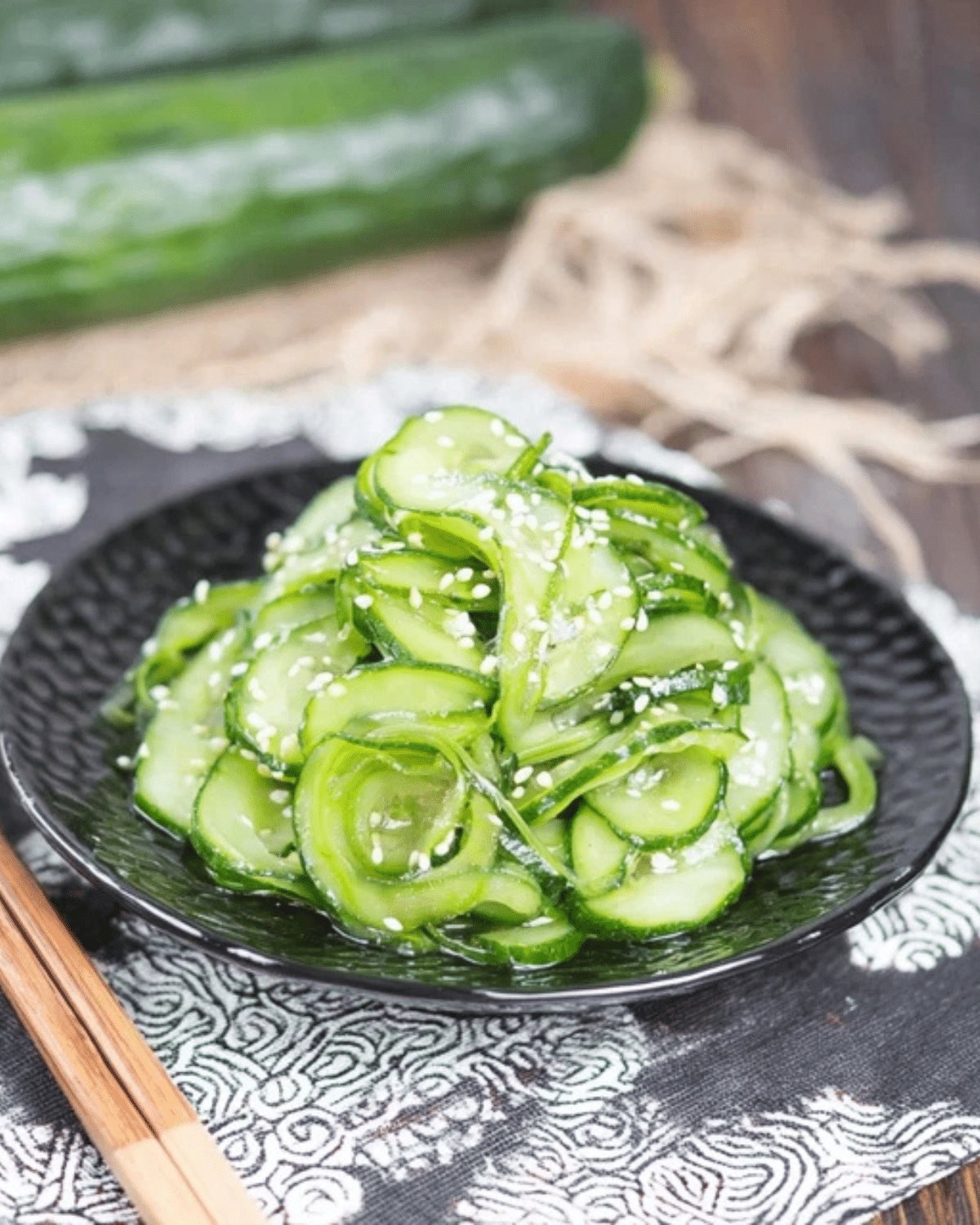
Sunomono Japanese cucumber salad is one of those dishes that proves simple ingredients can create unforgettable flavor. This light, tangy, and refreshing Japanese cucumber salad has been served for generations as a cooling side dish alongside sushi, grilled fish, and rice-based meals. Because it balances sweetness, acidity, and crunch so well, Sunomono Japanese cucumber salad remains a staple in both home kitchens and traditional Japanese restaurants.
In this article, you’ll learn what makes authentic Sunomono special, the ingredients that matter most, and how to prepare it correctly at home while keeping its clean, traditional taste intact.
JUMP TO
Table of Contents
What Is Sunomono Japanese Cucumber Salad?
Sunomono Japanese cucumber salad is a traditional vinegar-based dish known for its crisp texture and bright, refreshing flavor. While it may look simple, its preparation follows careful balance and technique that define Japanese cooking.
Meaning of Sunomono in Japanese Cuisine
The word Sunomono literally translates to “vinegared things” in Japanese. In Japanese cuisine, Sunomono refers to a category of dishes seasoned primarily with vinegar, often combined with a small amount of sugar and salt. This balance creates a sharp yet gentle flavor that cleanses the palate and enhances the overall meal.
Because vinegar plays a central role, Sunomono Japanese cucumber salad is meant to taste light, never overpowering, and always refreshing.
Origins and Cultural Importance of Japanese Cucumber Salad
Historically, Sunomono dishes developed as a way to preserve vegetables and seafood while also aiding digestion. Over time, cucumbers became one of the most popular ingredients due to their high water content and natural crunch.
In Japanese households, Sunomono Japanese cucumber salad is commonly served as a small side dish, or kobachi, offering contrast to rich or savory main courses. Its cooling nature makes it especially popular during warmer months.
Why Sunomono Is Served With Traditional Japanese Meals
Sunomono Japanese cucumber salad is not meant to steal the spotlight. Instead, it complements heavier dishes by refreshing the palate between bites. The vinegar stimulates appetite, while the cucumbers provide hydration and texture.
Because of this balance, Sunomono often appears alongside sushi, tempura, grilled fish, and rice dishes, helping round out the meal without adding heaviness.
Ingredients for Authentic Sunomono Japanese Cucumber Salad
Sunomono Japanese cucumber salad relies on a short list of ingredients, yet each one plays a key role. Because there’s nowhere to hide mistakes, ingredient quality and balance matter more than quantity.

Choosing the Best Cucumbers for Sunomono
For authentic Sunomono Japanese cucumber salad, Japanese cucumbers are the top choice. They are slender, thin-skinned, and have very few seeds, which keeps the salad crisp instead of watery. If Japanese cucumbers are unavailable, English cucumbers work well because they share similar traits.
Avoid regular garden cucumbers whenever possible. They contain thicker skin and larger seeds, which can throw off the delicate texture that Sunomono Japanese cucumber salad is known for.
Rice Vinegar, Sugar, and Salt Balance Explained
The heart of Sunomono Japanese cucumber salad lies in its dressing. Rice vinegar provides mild acidity without sharpness, while sugar softens the vinegar’s bite. Salt ties everything together and enhances the cucumber’s natural flavor.
Unlike Western cucumber salads, Sunomono uses very little sugar. The goal is balance, not sweetness. When done correctly, the flavor feels clean, light, and refreshing rather than bold or heavy.
Optional Ingredients: Wakame, Sesame Seeds, Crab, and Shrimp
While classic Sunomono Japanese cucumber salad is minimal, variations are common. Dried wakame seaweed adds umami and texture when rehydrated. Toasted sesame seeds bring a subtle nutty aroma, while crab or shrimp turn the salad into a protein-rich side dish.
These additions are optional, yet they remain traditional and widely accepted in Japanese cuisine.
Sunomono Ingredients Table
| Ingredient | Quantity | Purpose |
|---|---|---|
| Japanese cucumbers | 2 medium | Crisp base of the salad |
| Rice vinegar | 3 tablespoons | Signature tangy flavor |
| Sugar | 1½ tablespoons | Balances acidity |
| Salt | ½ teaspoon | Enhances flavor |
| Dried wakame (optional) | 1 tablespoon | Adds umami |
| Toasted sesame seeds (optional) | 1 teaspoon | Nutty aroma |
How to Make Sunomono Japanese Cucumber Salad Step by Step
Making Sunomono Japanese cucumber salad takes less than 15 minutes, yet technique matters. Each step builds flavor while preserving the cucumber’s crunch.
Preparing and Slicing Cucumbers the Japanese Way
Start by washing the cucumbers thoroughly. Using a sharp knife or mandoline, slice them into very thin rounds. Thin slices absorb the dressing evenly, which ensures every bite tastes balanced.
Consistency matters here. Uneven slices can lead to soggy spots and dry spots, which disrupt the clean texture Sunomono Japanese cucumber salad is known for.
Salting Technique to Remove Excess Water
Once sliced, place the cucumbers in a bowl and sprinkle them lightly with salt. Toss gently and let them rest for about 5 to 10 minutes. This step draws out excess moisture, preventing the salad from becoming watery.
After resting, gently squeeze the cucumbers with your hands to remove liquid. This step is crucial, because skipping it dilutes the vinegar dressing and weakens the flavor.
Mixing the Perfect Sunomono Dressing
In a separate bowl, whisk together rice vinegar and sugar until the sugar fully dissolves. Taste the mixture and adjust slightly if needed, but avoid overpowering the vinegar.
The dressing should taste mildly sweet and pleasantly tart. If it tastes sharp on its own, it will mellow once combined with the cucumbers.
Combining and Chilling for Best Flavor
Add the drained cucumbers to the dressing and toss gently until coated. If using wakame, sesame seeds, or seafood, fold them in at this stage.
Cover and refrigerate the Sunomono Japanese cucumber salad for at least 10 minutes before serving. Chilling allows the flavors to settle and enhances the refreshing quality of the dish.
Sunomono Variations You Can Try at Home
Sunomono Japanese cucumber salad may be simple, yet it adapts beautifully to different tastes. While the base recipe stays the same, small additions can change the experience without losing authenticity.
Classic Sunomono with Wakame Seaweed
One of the most traditional variations includes rehydrated wakame seaweed. Wakame adds a gentle ocean flavor and a soft texture that contrasts nicely with crisp cucumbers. Because wakame absorbs the vinegar dressing well, it deepens the overall taste without overpowering the salad.
This version is commonly served in Japanese homes and restaurants, especially as a cooling side dish during warmer seasons.
Sunomono with Crab or Shrimp
For a more filling option, cooked crab or shrimp is often added to Sunomono Japanese cucumber salad. These proteins pair naturally with rice vinegar and cucumber, creating a light yet satisfying dish.
Imitation crab is frequently used in home cooking, while fresh crab or shrimp appears more often in restaurant-style presentations. Either way, the salad remains balanced and refreshing.
Vegan and Low-Sugar Sunomono Options
If you prefer a vegan or reduced-sugar version, simply lower the sugar slightly or substitute it with a small amount of natural sweetener. Because cucumbers already have a mild sweetness, the dish remains enjoyable even with less sugar.
This flexibility makes Sunomono Japanese cucumber salad suitable for many dietary needs without sacrificing its traditional character.
Health Benefits of Sunomono Japanese Cucumber Salad
Beyond flavor, Sunomono Japanese cucumber salad offers several health benefits, making it a smart addition to everyday meals.
Low-Calorie and Digestive Benefits
Sunomono Japanese cucumber salad is naturally low in calories, which makes it ideal for light meals or side dishes. Because vinegar stimulates digestion, it helps the body process heavier foods more comfortably.
This is one reason Sunomono is often served alongside rich or fried Japanese dishes.
Why Rice Vinegar Supports Gut Health
Rice vinegar contains acetic acid, which may help regulate blood sugar levels and support digestion. According to culinary and nutritional insights shared by trusted food authorities like
AllRecipes, rice vinegar is milder than other vinegars, making it easier on the stomach while still delivering health benefits.
Hydration and Antioxidants from Cucumbers
Cucumbers are mostly water, so they help keep the body hydrated. They also contain antioxidants that support overall wellness. Combined with vinegar, cucumbers become both refreshing and functional.
Common Mistakes to Avoid When Making Sunomono
Even though Sunomono Japanese cucumber salad is simple, a few common mistakes can affect the final result.
Over-Salting the Cucumbers
Using too much salt during the draining step can make the salad unpleasantly salty. Always salt lightly, because the dressing already contains seasoning.
Incorrect Vinegar-to-Sugar Ratio
Too much sugar turns Sunomono into a sweet salad, while too much vinegar makes it harsh. Balance is key, so always dissolve the sugar fully and taste before mixing.
Serving Without Proper Chilling
Sunomono Japanese cucumber salad tastes best when chilled. Skipping this step prevents the flavors from settling and reduces its refreshing quality.
Frequently Asked Questions About Sunomono Japanese Cucumber Salad
Is Sunomono served cold or warm?
Sunomono Japanese cucumber salad is always served cold or slightly chilled to enhance its refreshing taste.
How long does Sunomono last in the fridge?
It can be stored in an airtight container for up to 24 hours, though it tastes best when freshly made.
Can I make Sunomono without sugar?
Yes, but the flavor will be sharper. Reducing sugar is better than removing it completely.
What type of vinegar is best for Sunomono?
Rice vinegar is essential. Other vinegars are too strong and change the traditional flavor.
Conclusion
Sunomono Japanese cucumber salad proves that simple ingredients can create powerful flavor when handled with care. Its crisp texture, gentle acidity, and light sweetness make it one of the most refreshing dishes in Japanese cuisine. Whether served alongside sushi, grilled fish, or enjoyed on its own, Sunomono Japanese cucumber salad delivers balance, tradition, and nutrition in every bite.
Once you master the technique, this classic Japanese cucumber salad becomes an easy go-to recipe that never feels heavy or boring.
PrintSunomono Japanese Cucumber Salad: The Best Easy Recipe (5 Steps)

Sunomono Japanese cucumber salad is a light, refreshing Japanese side dish made with thinly sliced cucumbers tossed in a balanced rice vinegar dressing. It is crisp, tangy, mildly sweet, and commonly served chilled with traditional Japanese meals.
Ingredients
- 2 medium Japanese cucumbers
- 3 tablespoons rice vinegar
- 1 1/2 tablespoons sugar
- 1/2 teaspoon salt
- 1 tablespoon dried wakame seaweed (optional)
- 1 teaspoon toasted sesame seeds (optional)
Instructions
- Wash the cucumbers thoroughly and slice them very thinly using a sharp knife or mandoline.
- Place the sliced cucumbers in a bowl, sprinkle with salt, and toss gently. Let rest for 5 to 10 minutes.
- Gently squeeze the cucumbers to remove excess water, then set aside.
- In a separate bowl, whisk together rice vinegar and sugar until the sugar is fully dissolved.
- Add the drained cucumbers to the dressing and toss gently to coat evenly.
- If using wakame or sesame seeds, fold them in gently.
- Cover and refrigerate for at least 10 minutes before serving chilled.
Notes
- Use Japanese or English cucumbers for best texture and flavor.
- Do not oversalt the cucumbers, as the dressing already contains seasoning.
- Chilling the salad enhances its refreshing taste.
- Adjust sugar slightly to taste, but avoid removing it completely.